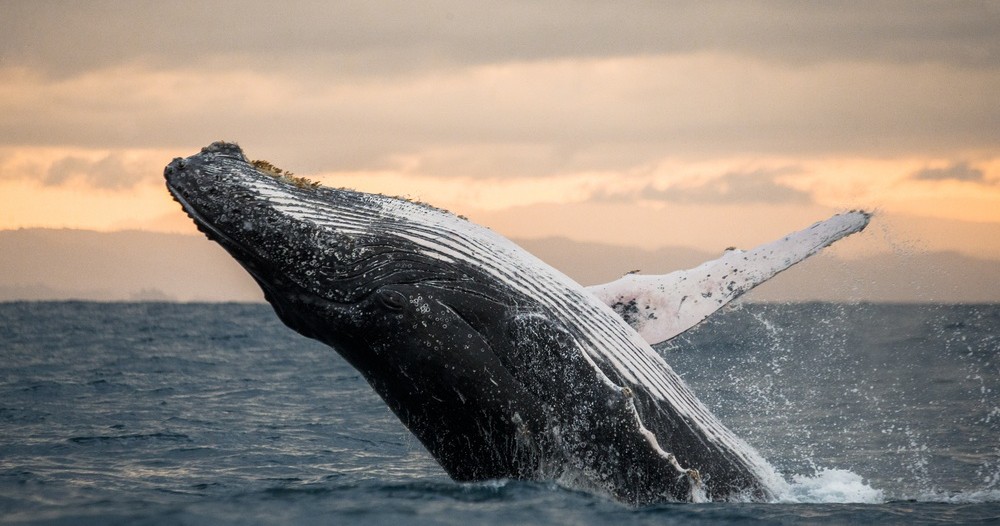
Whale Watching in Kalaheo, Hawaii

Kalaheo, Hawaii

Kalaheo sits on Kauai’s sun‑soft southern flank, a low ridge town that belies how close the deep Pacific comes to shore. Each winter, the channel off Kauai fills with the arc and blow of migrating humpbacks—immense, curious visitors that travel from Alaskan feeding grounds to breed, calve, and nurse in Hawaii’s warm waters. From short harbor departures to rigid-hull zodiacs and intimate small‑boat tours, whale watching around Kalaheo is an exercise in patience and reward: one minute the sea is a repeating, placid horizon; the next a tail flukes skyward and the boat hushes. This guide focuses on the experience of watching whales from Kalaheo and nearby Poipu—how the terrain shapes sightings, what seasons and weather matter, and how to choose an outing that matches your comfort level and environmental values.

9
Activities
Seasonal (Dec–May)
Best Months

Top Whale Watch Trips in Kalaheo

9 trips • Book with confidence • Instant confirmation

Why Whale Watching Near Kalaheo Feels Different

Kalaheo’s coastline is a study in contrast: low, wind-sculpted kiawe trees give way to broad ocean flats that drop quickly into deep channels favored by migrating humpbacks. The island’s position on Kauai’s southern shore places Kalaheo within easy reach of the feeding and breeding corridors that whales use as they move between Alaskan waters and Hawaiian wintering grounds. What makes whale watching here distinct is a combination of intimacy and variety—tours launch from small harbors, operators run relatively short routes that maximize quiet observation windows, and the topography of the shoreline and offshore reefs funnels animal movement in predictable ways. Sightings are rarely staged spectacles; they are quiet negotiations between creature, current and boat, where a well-timed approach and an observant captain are far more important than speed or spectacle.

Beyond raw sightings, Kalaheo offers a layered context to the encounter. Humpbacks that arrive in Hawaiian waters come with a lifecycle and culture of their own: song patterns and social groups, mothers and calves learning to maneuver, males enacting displays of breeding competition. Local naturalists and guides often weave those life histories into a three‑part experience—science, story and stewardship—so a trip becomes both an observational outing and a primer in marine ecology. Cultural context matters too; Native Hawaiian perspectives emphasize respect and distance, and many small operators incorporate ʻōlelo Hawaiʻi (language), moʻolelo (stories) and conservation messaging into their briefings.

Practical factors shape the experience more than many travelers expect. Sea conditions around Kalaheo are governed by trade winds, swell direction, and the contours of nearby reefs. Some mornings are mirror-calm, the best time for mothers and calves to surface and nurse near the surface; other days the swell hides activity and makes observation a matter of horizon reading. Choosing the right operator—one with a seasoned captain who reads whale behavior, adheres to approach guidelines, and prioritizes a low-impact presence—often determines whether the day feels revelatory or frenetic. For photographers and binocular-toting travelers, Kalaheo’s smaller boats and short transit times mean more time on station and better light windows. For those prone to seasickness, the southern shore’s calmer launch options, plus operators who provide or recommend motion‑sickness remedies, make Kalaheo one of Kauai’s more accessible whale-watching bases.

Complementary activities round out the trip: early-morning surf checks at nearby beaches, snorkel float trips that skirt reef gardens (summer months), coastal hikes that give land-based vantage points, and scenic helicopter flights that show pods moving across the blue canvas. Above all, whale watching from Kalaheo rewards the traveler who arrives with patience and curiosity—someone willing to learn the rhythms of the sea and sit quietly until the ocean decides to perform.

Kalaheo’s small-boat culture favors low-impact, education-focused tours—good for photographers and families who value quiet approaches over high-speed rides.

Local guides often combine sightings with natural history and Hawaiian cultural context, turning a viewing into a deeper connection with place.

Weather and swell patterns on Kauai’s south shore create both calm windows ideal for calves and rougher afternoons when sightings are intermittent; pick your day and operator accordingly.

Activity focus: Humpback whale watching (primarily December–May)
Most trips depart from small harbors near Kalaheo and neighboring Poipu
Typical outings range from short harbor cruises to half-day zodiac excursions
Regulations require minimum approach distances—operators should respect these
Complementary activities: snorkeling, coastal hikes, scenic flights, reef tours

Best Time to Visit

Best Months

DecemberJanuaryFebruaryMarchApril

Weather Notes

Humpback season aligns with cooler, wetter months on Kauai; mornings are often the calmest for sea conditions. Trades and occasional winter swells can make afternoons choppier. Dress in layers and expect wind and spray on the water.

Peak Season

January–March (highest probability of active displays and calf sightings)

Off-Season Opportunities

Summer months are quieter for whales but ideal for snorkel and reef trips; land-based whale monitoring and interpretive events continue year-round in limited capacity.

Frequently Asked Questions

Do I need to book in advance?

Yes—capacity on small boats fills quickly during peak months, especially morning departures. Book at least several days ahead for weekends and holidays.

Can I swim with whales?

No. Approaching, touching, or swimming with whales is illegal and dangerous for both people and animals. Respect approach distances and follow your guide’s instructions.

Are trips suitable for children and non-swimmers?

Many operators run family-friendly tours with lifejackets for all ages; however, small boats and zodiac rides may not be suitable for very young children or those uncomfortable with waves. Ask the operator about vessel type and safety protocols.

What are the best chances to see calves?

Calves are most commonly observed in mid- to late-winter (January–March), often near shallow, protected areas where mothers keep them close to the surface.

How close do boats get to whales?

Regulations and best-practice guidelines require minimum approach distances that operators must follow. Responsible captains will maintain a respectful distance and let whales approach on their terms.

Choose Your Experience Level

Beginner

Shore-based viewing from beaches or short harbor cruises—minimal sea exposure and great for families and photographers who prefer stable platforms.

  • Sunrise shoreline watch at nearby lookouts
  • Short, sheltered harbor whale-spotting cruises
  • Interpretive talks and museum displays about humpbacks

Intermediate

Small-boat and zodiac tours that put you closer to active pods; moderate sea conditions expected and a good balance of transit and station time.

  • Half-day zodiac or RIB (rigid-inflatable boat) excursions
  • Photography-focused outings timed for light conditions
  • Combined whale-watch and coastal snorkeling half-days

Advanced

Longer expeditions or specialized trips for researchers and experienced mariners—requiring comfort with open-ocean conditions and a higher tolerance for extended time at sea.

  • Extended offshore charters for pod tracking
  • Citizen-science or research-assisted survey trips
  • Multi-activity days combining scenic flight, boat time, and reef surveys

Insider Tips & Local Knowledge

Always confirm operator permits, vessel safety standards, and cancellation policies before booking.

Book morning departures for calmer seas and cleaner light. Ask the operator about their whale-approach policy—responsible crews prioritize animal behavior over a close shot. If you get seasick, favor a stable, larger-hull boat or bring medication; ginger and pressure bands can help for short trips. For photographers, a fast shutter and a mid-range telephoto (200–400mm equivalent) are useful—smaller boats mean you’ll get closer but expect intermittent movement. Pair a whale-watch with a coastal hike or afternoon snorkeling trip in Poipu to round out the day. Finally, support operators who contribute to local research or who visibly brief passengers on regulations and conservation—the best outings leave guests informed and the animals undisturbed.

What to Bring

Essential

  • Motion-sickness medication or bands if you’re prone to seasickness
  • Layered sun protection: hat, sunglasses with strap, reef-safe sunscreen
  • Waterproof jacket for wind and spray
  • Binoculars for long-distance viewing
  • Reusable water bottle and small snacks

Recommended

  • Camera with telephoto lens or good zoom
  • Lightweight daypack to store layers and gear
  • Waterproof phone case or dry bag
  • A small notebook or field guide to note behaviors and calls

Optional

  • Polarized sunglasses for reducing glare
  • Compact spotting scope for shore-based viewing
  • A small towel or change of clothes if you’ll swim or snorkel after

Ready for Your Whale Watch Adventure?

Browse 9 verified trips in Kalaheo with instant booking

Explore Top 15 Kalaheo, Hawaii Adventures →