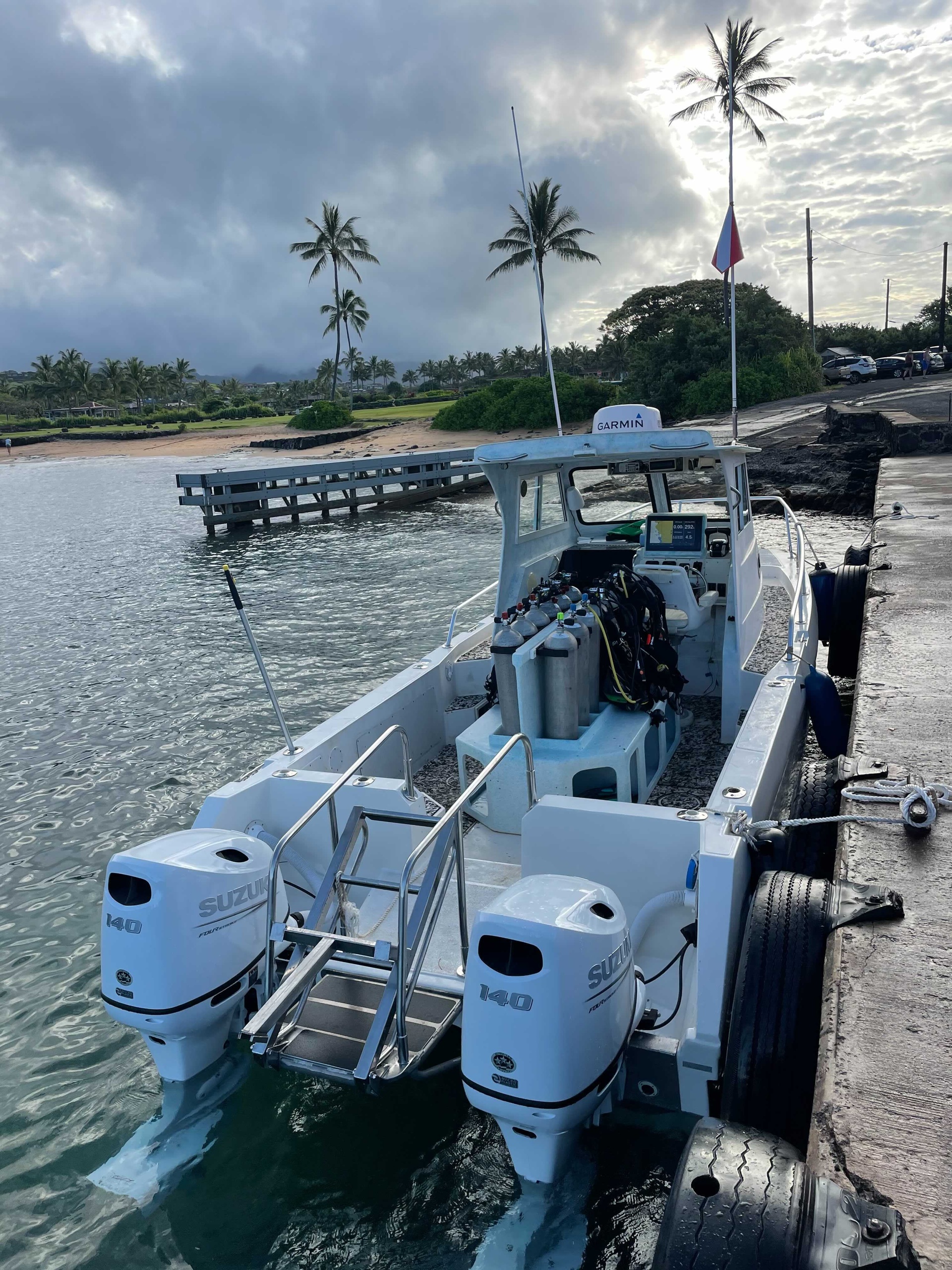
Top Scuba Adventures in Kalaheo, Hawaii
Kalaheo is a quietly anchored launch point for South Kauai scuba — a place where sugarcane memory lanes meet open Pacific blue. From sheltered reef gardens near Poipu to deeper offshore pinnacles, the dives accessible from Kalaheo stitch together warm water coral, schooling reef fish, and seasonal visits from larger pelagics. This guide lays out the practical how-to of diving from Kalaheo: where to go, what conditions to expect, how to plan around seasonality and currents, and how to pair a scuba trip with complementary activities on Kauai's south shore.
Top Scuba Trips in Kalaheo
29 trips • Book with confidence • Instant confirmation
Why Kalaheo Is a Standout Scuba Destination
Kalaheo sits inland but breathes ocean. The town’s low-slung roads and old plantation-era architecture open toward beaches where the reef begins its slow drop to deeper blue — a diveable edge that rewards divers with a mix of accessibility and diversity. What makes Kalaheo compelling for scuba travel isn’t a single spectacular site so much as the density of reliable, varied dives within an easy drive. Short boat runs take you to sheltered reef gardens and sea caves; shore-access sites let you suit up without a long transit; and a handful of offshore pinnacles host schools of trevally and the occasional passing manta.
For divers, Kalaheo’s appeal is practical: calmer water windows in spring and summer offer excellent visibility, while winter can bring bigger swells and larger animal encounters off the shelf. The reefs here are a mosaic — corals, bommies, and lava-formed structures attract a layered community: colorful wrasses, curious parrotfish, sleeping octopus, and hawksbill and green sea turtles that feed in the shallows. Macro life hides in crevices for those who like close-up photography, and drift-friendly channels reward divers comfortable in mild currents. Culturally, a dive day from Kalaheo often pairs effortlessly with local flavors: a morning boat run, an afternoon exploring Poipu’s tide pools, or a drive into the island interior for views that put the day’s blue into relief.
Environmental context matters here. Kauai’s reefs have shown resilience but also sensitivity to runoff and storm events; divers and operators emphasize low-impact practices, reef-safe sunscreens, and careful buoyancy to minimize contact. Community-based stewardship and small-boat operators keep visitor numbers manageable compared with busier Hawaiian islands, which helps preserve both experience quality and reef health. For travelers, that means you can expect personalized briefings, small group sizes, and local operators who know the micro-conditions of the South Shore, from the calm confines of Lawai Bay to more exposed sites that require a confident entry and exit plan.
Practically, Kalaheo is well positioned: accommodations and air access to Lihue mean short transfers, while a compact set of dive shops and outfitters provide rental gear, guided dives, and specialty trips like night and deep dives. Whether you’re a newly certified diver looking for easy reef dives off a gentle shoreline or an experienced diver chasing drift runs and pinnacles, Kalaheo’s mix of sites and the island’s small scale make it an ideal base for a short scuba-focused trip or an extended island exploration that layers snorkeling, coastal hikes, and cultural stops between dives.
Diving from Kalaheo favors operators who run short, focused excursions: half-day morning boat trips for peak visibility, shore dives for macro and turtle encounters, and evening night-dives that reveal a different reef rhythm.
Visibility and conditions can swing with trade winds, localized swell, and seasonal storms. Local operators monitor ocean windows carefully and will adjust sites to match experience level and comfort.
Best Time to Visit
Best Months
Weather Notes
Spring through early fall generally offers the calmest seas and best underwater visibility; winter months can bring larger swells, stronger currents, and higher seas — attractive for experienced divers seeking big-animal encounters but less reliable for learners.
Peak Season
Summer months when ocean windows are frequent and tourism on Kauai rises.
Off-Season Opportunities
Winter brings larger pelagics and fewer tourists — good for advanced divers. Operators may run fewer trips but can offer specialized experiences.
Frequently Asked Questions
Do I need certification to dive from Kalaheo?
Yes. Most guided dives require an open-water certification at minimum; specialty trips (deep, wreck, or advanced drift dives) require corresponding certifications and logged experience.
Are there shore dives suitable for beginners?
Yes. Several sheltered reef sites near the south shore offer shallow, sheltered entries that are appropriate for newly certified divers under guide supervision.
What is typical visibility and how variable is it?
Visibility often ranges from 30–70 feet (10–20+ meters) in calm months but can drop after heavy rain or storm surge. Morning dives typically offer the best clarity.
Choose Your Experience Level
Beginner
Protected shore dives and short boat runs over shallow reef gardens; calm entries, minimal current, and abundant turtle and reef fish sightings.
- Guided sheltered reef dive
- Introductory boat dive to a nearby shallow bommie
- Buddy shore dive in Lawai Bay
Intermediate
Longer boat dives to fringing reefs and small pinnacles, moderate currents, and deeper reef slopes—good for increasing bottom time and encountering larger schools.
- Half-day boat dives to drop-off reefs
- Drift-friendly channel dives
- Night dives on shallow reefs
Advanced
Offshore pinnacles, deeper dives, and stronger-current drift runs; often requires advanced certification, good air management, and experience with variable surface conditions.
- Deep reef and pinnacle dives
- Advanced drift dives
- Pelagic-focused offshore excursions
Insider Tips & Local Knowledge
Book morning trips for calmer seas and the best visibility; respect local marine-protection rules and prioritize operators who practice reef stewardship.
Coordinate with local dive shops the day before to check ocean windows—Kauai’s conditions can change quickly with trade winds and swell. Small operators often run more flexible itineraries and provide hands-on briefings tailored to current conditions. Bring your own mask and fins if you can; rentals are available but fit matters underwater. For photographers: shoot early for softer light and avoid flash-intensive macro setups in crowded reef areas. Combine a dive day with low-impact surface activities—tide-pool walks, short coastal hikes, or a visit to a community farmers market—to round out time on the island without stressing marine resources.
What to Bring
Essential
- Open-water scuba certification card and photo ID
- Wetsuit (3mm–5mm depending on season) or rental equivalent
- Mask, snorkel, and fins (rental available but bring what fits)
- Surface signaling device (SMB/DSM B) and dive computer
- Reef-safe sunscreen and sun protection
Recommended
- Underwater camera or macro lens for reef photography
- Defog and spare mask strap
- Light reef gloves for colder months (where allowed)
- Small, quick-dry towel and change of clothes for post-dive
Optional
- Booties for rocky shore entries
- Pocket guide to Hawaiian reef fish
- Personal bite of high-energy snack for boat trips
Ready for Your Scuba Adventure?
Browse 29 verified trips in Kalaheo with instant booking
Explore Top 15 Kalaheo, Hawaii Adventures →