Top 12 Hiking Adventures in Kalaheo, Hawaii
Kalaheo sits at the gentle edge of Kauai’s interior and the island’s south shore—where verdant ridgelines meet old sugarcane roads and the scent of ʻohia and kiawe drifts on tradewinds. The hikes around Kalaheo serve a deliciously local curriculum: short coastal strolls with ocean views, native-plant forest walks, and access to longer ridge and canyon routes that feed into Kōkeʻe’s high-country trails. This guide narrows the field to hiking experiences you can realistically plan from Kalaheo—day trips, sunrise starts, and half-day exploratory routes that pair well with swimming coves, birding stops, and cultural sites nearby.
Top Hiking Trips in Kalaheo
12 trips • Book with confidence • Instant confirmation
Why Kalaheo Is a Standout Hiking Destination
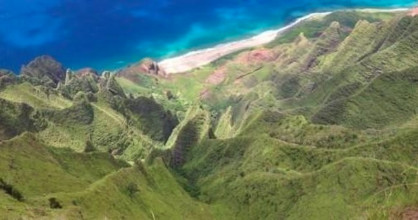
Kalaheo often arrives in travelers’ plans as a quiet pivot point—close enough to the celebrated cliffs of the Nā Pali and the deep valleys of Kōkeʻe State Park, yet modest and residential enough that every hike feels like a local secret revealed. The terrain shifts impressively over short distances: from low, coastal scrub and rolling pasture to steeper forested ridges and fertile gullies. On any given morning you can climb through stands of introduced guava and kiawe, cross sections of native ʻōhiʻa lehua, and crest a ridge to find views that read like an island time-lapse—ocean blues to the south, high cliffs to the north. The walk is at once botanical study and geological primer: eroded basalt, rich red soils, and trails that follow old plantation roads or ancient paths that indigenous people used for inter-valley travel.
For hikers who prize variety, Kalaheo is efficient. Short loops and easy shoreline paths invite casual explorers and families, while intermediate ridge hikes and connecting routes toward Kōkeʻe reward day-long ambition with vista-rich payoffs. Weather is an active cast member here—microclimates can turn a sunlit, dry trail into a mossy, rain-sweet corridor within an hour—so flexibility and local knowledge amplify enjoyment. The cultural context enhances the experience: trail routes often traverse lands with layered histories of cultivation, settlement, and stewardship. A responsible hiker in Kalaheo moves with curiosity about native species and an awareness of the delicate ecosystems that make Kauai distinct.
Practical planning is uncomplicated but important. Trails around Kalaheo are generally accessible from short roads and neighborhood pullouts, yet parking can be limited at popular trailheads during holidays and peak weekend mornings. Because many routes are unshaded or run along exposed ridges, early starts and sun protection are common-sense measures. The region lends itself to paired activities: finish a morning hike and continue to a nearby beach for a swim, or combine an inland ridge walk with an afternoon of birding in a koa forest. For photographers and nature lovers, the light is particularly generous at sunrise and late afternoon—those hours also coincide with cooler temperatures and fewer people.
Ultimately, Kalaheo’s appeal is its approachable scale and access to greater Kauai variety. Trails here are portals: short, evocative, and often a prelude to more ambitious traverses that begin within an hour’s drive. Whether you’re here for a single memorable viewpoint or mapping a sequence of hikes across the island, Kalaheo provides a practical base and a taste of Kauai’s deeper landscapes.
The variety of microclimates around Kalaheo means you can experience coastal scrubland, introduced pasture, and native forest within short drives—making it ideal for mix-and-match dayplans that pair hiking with swimming or cultural visits.
Because trails often trace old plantation roads and local access paths, many routes are navigable for intermediate hikers, while short loops and flat shoreline walks remain friendly for families and beginners.
Best Time to Visit
Best Months
Weather Notes
Kauai’s south shore and Kalaheo are generally warm year-round but subject to sudden showers. Winter months bring more frequent heavy rain and larger surf along exposed coasts; summer can be drier but still sees afternoon trade-wind showers. Microclimates mean conditions can differ dramatically between shore and ridge.
Peak Season
Holiday periods (late December to early January) and summer travel months see higher visitation; weekends fill popular trailheads quickly.
Off-Season Opportunities
Spring and fall shoulder months often offer lighter crowds and comfortable hiking temperatures; some trails are quieter midweek year-round.
Frequently Asked Questions
Do I need permits for most hikes?
Most day hikes accessible from Kalaheo do not require permits. Specific areas within state parks or high-use ocean-access points may have parking rules or permit requirements—always check the managing agency before heading out.
Are trails suitable for beginners?
Yes. Kalaheo offers short, gentle shoreline walks and low-elevation loops suitable for beginners, families, and casual hikers. Intermediate options involve moderate elevation gain and uneven terrain.
What hazards should I prepare for?
Expect narrow ridgelines, muddy or slick roots after rain, occasional stream crossings, and limited cell coverage on interior routes. Ocean-facing trails may have steep drops; treat coastal viewpoints with caution.
Choose Your Experience Level
Beginner
Short shorelines, flat nature loops, and well-marked community paths close to Kalaheo—ideal for families and casual explorers.
- Coastal nature walk
- Short botanical loop through lowland forest
- Easy neighborhood trail to a viewpoint
Intermediate
Half-day hikes with steady elevation, exposed ridgelines, and varied underfoot conditions—good route-finding skills and moderate fitness recommended.
- Ridgeline approaches toward Kōkeʻe
- Forest-to-overlook loop with stream crossings
- Longer coastal-to-valley connector routes
Advanced
Full-day treks that connect multiple ridgelines, require strong navigation, sustained elevation changes, and preparedness for remote trail conditions.
- All-day traverse toward higher Kōkeʻe trails
- Technical ridge routes with narrow sections
- Remote valley incursions requiring planning and emergency readiness
Insider Tips & Local Knowledge
Check local trail notices and weather forecasts before you go; conditions can change quickly and cell coverage is unreliable inland.
Start early to enjoy cooler temperatures and avoid mid-day sun on exposed ridges. Bring layered clothing because elevations and microclimates can produce rapid shifts from warm and breezy to wet and cool. Respect private property—many trail access points use easements or local roads. If you plan to combine hiking with swimming or snorkeling after a hike, visit beaches during calmer swell windows and heed posted signs. Finally, practice Leave No Trace: fragile native plants and ground-nesting birds thrive in Kauai’s quieter corners, and your attention preserves those places for future visitors.
What to Bring
Essential
- Sturdy trail shoes with good traction (mud and slick roots are possible)
- 1–2 liters of water, more for exposed ridge hikes
- Sun protection: hat, sunglasses, reef-safe sunscreen
- Light rain shell or packable waterproof layer
- Map or offline navigation (cell service is intermittent inland)
Recommended
- Trekking poles for steep or loose descents
- Small first-aid kit and blister care
- Insect repellent in wetter forest sections
- Camera or phone with extra battery for viewpoints
Optional
- Binoculars for seabird and forest birdwatching
- Light gaiters if you plan muddy routes after rain
- Microspikes only if you plan to travel to high, wet ridge sections in unusual weather
Ready for Your Hiking Adventure?
Browse 12 verified trips in Kalaheo with instant booking
Explore Top 15 Kalaheo, Hawaii Adventures →