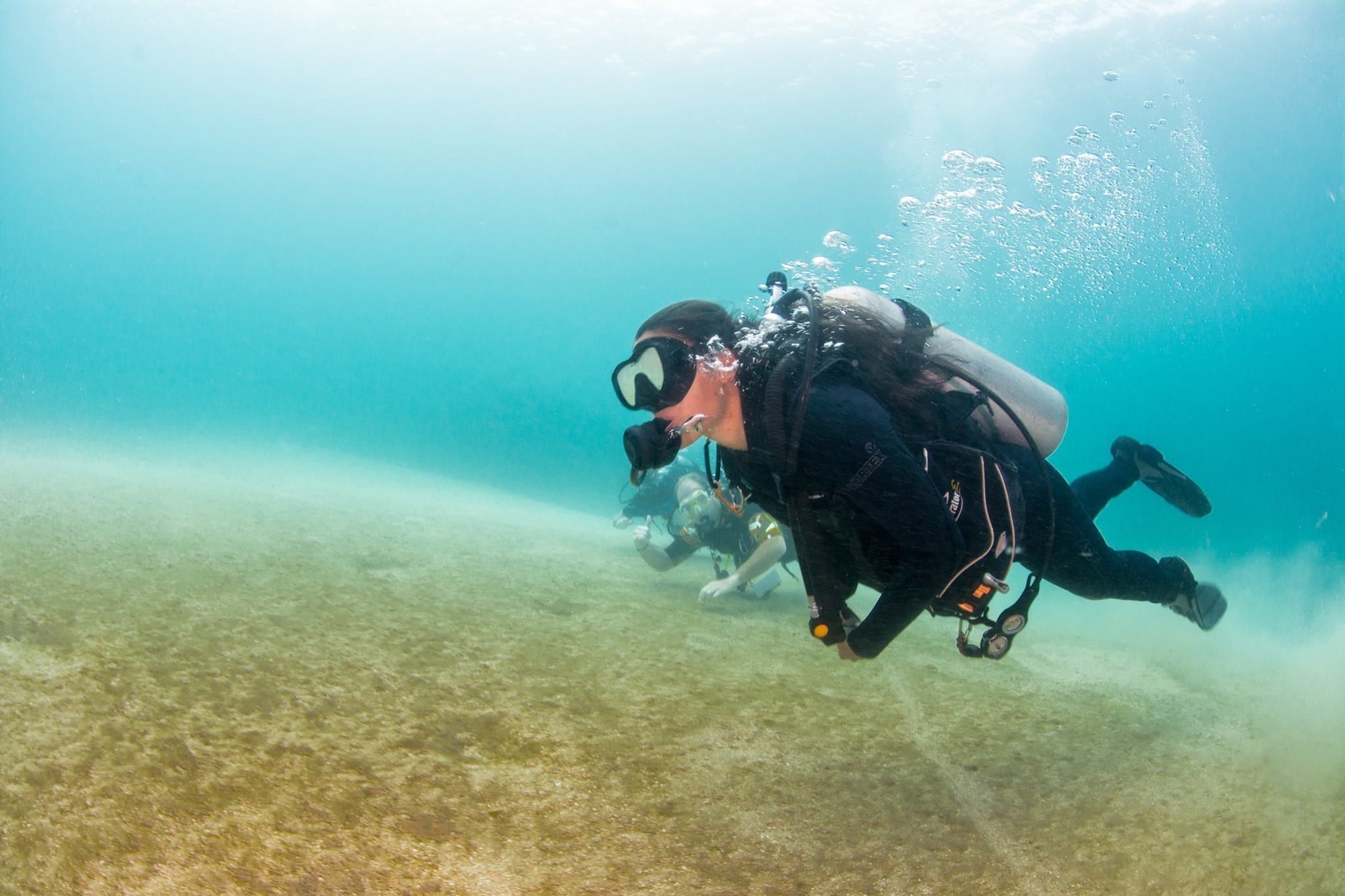
Top Dolphin Experiences in Kalaheo, Hawaii
Kalaheo’s coastline acts like a front-row seat to some of the most playful and accessible dolphin encounters on Kauai. From glassy, early-morning boat runs that find spinner dolphins leaping in feeding lanes to guided snorkel trips that prioritize respectful interaction, this guide focuses on the practical how-to and the travel sense of being close to wild dolphins while honoring marine stewardship.
Top Dolphin Trips in Kalaheo
8 trips • Book with confidence • Instant confirmation
Why Kalaheo Is a Standout Place to See Dolphins
There’s a distinct hush that falls over the water just before dawn on Kauai’s south shore. In Kalaheo that hush is punctuated by the soft slap of tails and the sparkle of a dolphin’s back as it arcs through the glass. The island’s currents, coral-lined reefs, and nearby deep-water channels create predictable travel lanes where both spinner and bottlenose dolphins move between nocturnal feeding grounds and daytime resting areas. For travelers who want more than a roadside postcard, Kalaheo offers encounters that are equal parts spectacle and subtlety: not a staged show, but a chance to witness social groups, calf rearing, and the choreographed energy of pods on the move.
The local marine environment frames the experience. Spinner dolphins — long-snout, acrobatic, and often seen bow-riding — are the most commonly observed in Kauai’s nearshore waters. Bottlenose dolphins, larger and more curious in close encounters, also appear in these waters. The variety of tour formats around Kalaheo reflects both species behavior and the island’s protective approach: shallow-water snorkel trips for calm mornings, quiet kayak journeys into sheltered bays, and small-boat wildlife cruises that prioritize slow approaches and observation over disturbance. Each option gives a different lens on dolphin life, from the tight-knit social displays viewed from a distance to the muted underwater world glimpsed while snorkeling.
Kalaheo’s cultural context matters here. Hawaiian tradition treats kūkulu ʻāina (land and sea stewardship) and the living ocean as part of a reciprocal relationship. Responsible operators and guides increasingly weave native place-based knowledge into their briefings — encouraging visitors to observe with humility, use reef-safe sunscreen, and follow approach guidelines that minimize stress on the animals. That balance between wonder and restraint is what makes Kalaheo’s dolphin encounters feel lasting: visitors leave not with a photograph alone but with a sense of having witnessed a living system and having honored it.
Practically speaking, Kalaheo is accessible without being overcrowded. The working harbors and small launch points near the south shore mean you can reach open-water feeding lanes quickly, which reduces fuel consumption and the time animals spend near vessels. Mornings, when winds are low and the sea is flat, are your best bet for seeing dolphins active and playful. Complementary experiences—snorkeling vibrant reefs, coastal hikes with sweeping vantage points, and winter whale-watching excursions—pair naturally with dolphin trips, letting a single trip reveal multiple layers of Kauai’s marine story.
The best encounters are paced: operators that prioritize slow approaches and clear briefing produce calmer animals and more meaningful viewing for guests.
Dolphin behavior in Kalaheo is seasonal in nuance but not absence—pods are present year-round, but sea conditions and human visitation rhythms shape visibility and type of interaction.
Best Time to Visit
Best Months
Weather Notes
Trade winds shape day-to-day conditions; mornings are often calmest and offer the flattest water for boat and snorkel trips. Winter months (November–March) bring larger swells and occasional rougher seas but also the addition of humpback whale season offshore.
Peak Season
Summer and early fall see calmer seas and easier snorkeling conditions, attracting more visitors to dolphin-focused excursions.
Off-Season Opportunities
Winter can be ideal for combining dolphin trips with whale-watching; expect bigger swells and fewer calm days—good for experienced boaters and photographers seeking dramatic ocean conditions.
Frequently Asked Questions
Do I need a permit to join dolphin tours?
No separate permit is required for tourists, but licensed operators follow state and federal rules for marine mammal viewing. Independent approaches to dolphins from private boats are subject to NOAA regulations—do not approach, feed, or harass marine mammals.
Are dolphins guaranteed on every trip?
No. Dolphins are wild animals and sightings cannot be guaranteed. Seasonality, weather, and pod movement all influence the likelihood and type of encounter.
Can I swim with the dolphins?
Many local outfitters offer guided snorkel or swim-with-dolphin experiences that emphasize non-intrusive interaction. Expect strict guidelines: no chasing, no touching, and boats/kayaks must give animals space if they show signs of disturbance.
Is dolphin watching suitable for families?
Yes—many tours are family-friendly with age-appropriate safety measures. Choose operators that provide child-size life jackets and have experienced guides.
When is the best time of day to go?
Early morning is typically best: calmer seas, clearer water, and dolphins more likely to be active near surface travel lanes.
Choose Your Experience Level
Beginner
Short, guided boat cruises or shore-viewing sessions where you can watch dolphins from a respectful distance. Low physical demand and suitable for families or people new to ocean trips.
- Half-day morning dolphin cruise
- Glass-bottom or reef-visibility tour
- Short shore-based wildlife viewpoint stops
Intermediate
Guided snorkel or kayak trips into calm bays and nearshore reefs where swimmers may observe dolphins in the water—requires basic swimming skills and comfort in open water.
- Guided snorkel with nearby dolphin pod observation
- Coastal kayak trip to sheltered bays
- Small-group eco-boat with wildlife briefings
Advanced
Longer offshore trips and dynamic sea conditions that demand strong swimming ability, open-ocean snorkeling experience, or advanced paddling skills. These experiences allow closer marine research-style observation but carry higher conditions risk.
- Offshore early-morning boat runs to feeding lanes
- Technical kayak crossings to remote coves
- Extended snorkel sessions in deeper water (for experienced freedivers)
Insider Tips & Local Knowledge
Follow NOAA and local operator guidelines: slow down, observe quietly, and never feed or try to touch dolphins.
Book early-morning departures for the calmest water and the best chance of seeing active pods. Choose small-group operators that brief guests on respectful behavior and use slow, non-invasive approaches. Pack reef-safe sunscreen and a hat; glare from the water can make long hours uncomfortable. If you’re prone to seasickness, take preventative measures before boarding—calm seas don’t guarantee smooth afternoons. Consider combining a dolphin trip with a nearby snorkeling excursion or a short coastal hike for a fuller half-day on the south shore. Finally, treat sightings as a privilege: photograph sparingly, keep noise down, and leave the ocean as you found it.
What to Bring
Essential
- Reef-safe sunscreen (mineral-based)
- Swimwear and quick-dry layers
- Certified life jacket (provided on most tours but bring if you prefer your own)
- Waterproof camera or housing
- Light daypack for shore drop-offs
Recommended
- Mask, snorkel, and fins (many operators rent but bring your own for fit)
- Light wind shell for cool mornings
- Dry bag for phone and small valuables
- Motion-sickness prevention if you’re prone
Optional
- Underwater camera for close-up behavior shots
- Small binoculars for observing pods from a distance
- Eco-friendly insect repellent for post-trip beach walks
Ready for Your Dolphin Adventure?
Browse 8 verified trips in Kalaheo with instant booking
Explore Top 15 Kalaheo, Hawaii Adventures →