1

Snorkel Kaimuki: Shoreline Reefs, Tide Pools, and Urban Ocean Access

Kaimuki, Hawaii

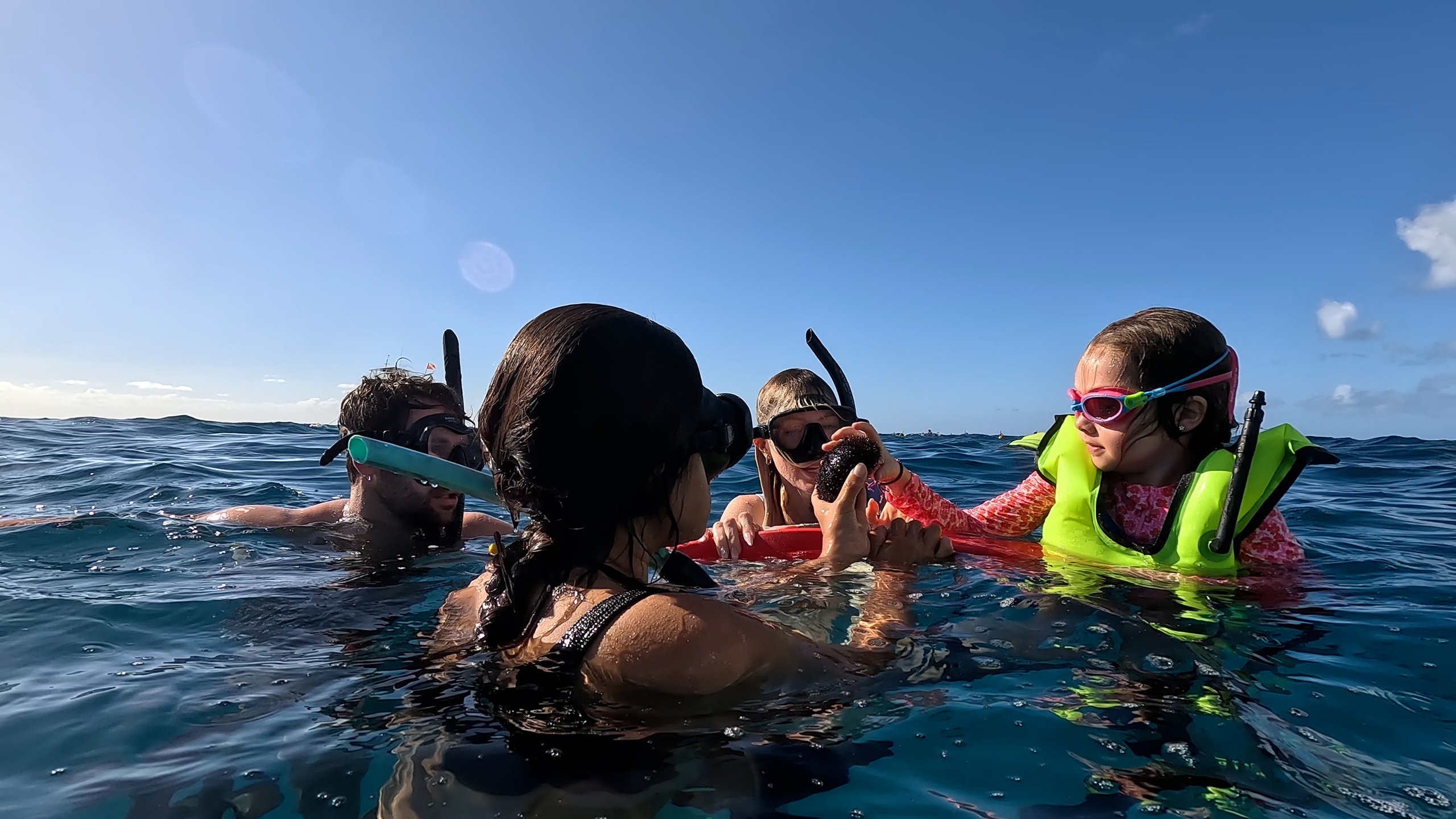
Kaimuki is a compact residential neighborhood with surprisingly direct access to Oʻahu’s southern shoreline. From rocky lava outcrops and small pocket reefs to protected tide pools and quick drives to world-class sites like Hanauma Bay and Makapuu, Kaimuki is best thought of as a convenient base for shore- and boat-based snorkeling. Expect short walks from neighborhoods to exposed reef edges, occasional surf-sculpted entry points, and a mix of fish, surgeonfish, wrasse, and—on lucky days—sea turtles and reef octopus. The area rewards visitors who pair a short morning snorkel with neighborhood coffee, a Diamond Head hike, or an afternoon standup paddle or coastal walk.

259
Activities
Year-Round (calmer seas Apr–Oct)
Best Months

Top Snorkel Trips in Kaimuki

259 trips • Book with confidence • Instant confirmation

Why Kaimuki Is a Standout Snorkel Destination

Kaimuki sits at the edge of ordinary neighborhood life and the Pacific’s immediate, briny theater. It is not defined by a single famous beach but by a string of access points—small stairways, public parking pockets, and lava-rock ledges—that invite short, purposeful trips into shallow reef systems. For travelers who prize quick transitions between urban comforts and ocean immersion, this neighborhood is a rare find: you can slip into a mask and fins before brunch, swim through a compact colony of corals and schooling fish, then head back up to a local café without a long drive. The snorkeling here is intimate rather than cinematic—spotting the patient, algae-scrubbing surgeonfish in a crease of rock, watching a juvenile wrasse dart between coral fingers, or hovering beside a sleeping hawksbill turtle near a reef shelf.

Geologically, the shoreline near Kaimuki is sculpted from the same lava flows that built Diamond Head and much of Oʻahu’s southeast flank. That creates a patchwork of tide pools, narrow reef flats, and pockets of coral growth that thrive when conditions are right—clear swell windows, slack tides, and light winds. The same features that make shoreline access easy also mean that snorkeling quality varies by micro-site and season; on calm mornings you can find near-tableau scenes of reef life, while on days with northeast swell the water over the reef can be stirred into brown-tinted churn. This variability rewards local knowledge: tide charts, wind forecasts, and a conservative approach to entry and exit will keep outings safe and productive.

Kaimuki’s appeal is also logistical. It sits minutes from major Honolulu corridors, making it a strategic launching point for half-day boat charters that head to protected reefs or for short drives to world-renowned spots like Hanauma Bay and Makapuu. That flexibility lets you design a snorkel-centered day that matches your comfort and skill—gentle shore snorkeling in the morning, an exploratory SUP or kayak in the afternoon, or a guided boat trip for clearer, deeper reefs. Finally, Kaimuki’s residential character fosters a quieter, more reflective surf-and-shore ethic; visitors who respect parking limits, reef protection, and local etiquette tend to find warm welcome and better conditions over multiple visits.

Accessible variety: short shore entries, tide pools for families, and easy drives to protected boat snorkel sites.

Seasonal clarity: calmer seas and better visibility often arrive in mid-spring through early fall; winter swells can produce world-class surf nearby but rougher snorkeling.

Activity focus: Shore-based snorkeling and quick boat launches
Short walks from neighborhood streets to reef edges
Tide, wind, and swell have outsized effects on visibility and safety
Combine snorkel outings with Diamond Head hikes, coastal walks, or SUP
Respect reef protection rules and use reef-safe sunscreen

Best Time to Visit

Best Months

AprilMayJuneJulyAugustSeptemberOctober

Weather Notes

Kaimuki benefits from Hawaii’s mild, tropical climate year-round. The clearest snorkeling windows typically come with light trade winds and low swell—often from spring through early fall. Winter months bring larger northeast swells that can reduce visibility and make some shore entries hazardous.

Peak Season

Summer months (June–August) and holiday periods see the most visitors and busier beach and boat services.

Off-Season Opportunities

Late fall and winter can offer solitude and dramatic surf photography from shore. Off-season mornings still frequently provide calm windows for shore snorkeling—plan around tides and weather.

Frequently Asked Questions

Do I need a permit to snorkel from Kaimuki shorelines?

Most public shoreline accesses do not require a permit for casual snorkeling. Specialized activities like commercial charter operations or large events may need permits; check local regulations if planning organized tours.

Are there lifeguards at Kaimuki snorkeling spots?

Lifeguard coverage is not consistent along all small shore access points. Use caution, snorkel with a buddy, and favor designated swimming areas or guided trips if you need supervision.

How do I pick the safest time to snorkel?

Check morning wind and swell forecasts, aim for low to mid-tide in gentler conditions, and avoid east or northeast swell days that can make rocky entries slippery and currents stronger.

Choose Your Experience Level

Beginner

Calm, shallow tide pools and protected reef flats accessible with minimal swimming skill. Great for families and first-time snorkelers.

  • Protected tide-pool exploration
  • Short, shore-entry reef swims on calm mornings
  • Guided beginner shore snorkel with a local outfitter

Intermediate

Longer swims over reef flats, exploring small channels and deeper pockets with more current awareness required.

  • Reef-flat snorkel to nearby rock outcrops
  • Kayak or SUP to a nearby sheltered reef
  • Half-day boat snorkel to clearer offshore reefs

Advanced

Exposed entries, variable currents, and multi-site boat snorkels that demand strong open-water skills and situational awareness.

  • Surf-zone entry under small swell conditions
  • Guided drift snorkels or deeper reef exploration
  • Combining an advanced shore entry with a long coastal swim

Insider Tips & Local Knowledge

Always verify local access rules, reef closures, and weather before going out.

Aim for early mornings when winds are light and water is clearest; visibility often drops in the afternoon as trade winds pick up. Use reef-safe sunscreen and avoid standing on coral—local coral restoration efforts depend on respectful visitors. For easy exits, scout your chosen access at low tide on foot so you know where to scramble back up. If you're new to the area, consider a short guided shore snorkel or a half-day charter: guides know the micro-sites where marine life congregates and can brief you on current patterns. Pack your gear in a soft bag to protect fins and keep footwear handy for sharp lava rock. Finally, pair short snorkel sessions with local food and culture—Kaimuki’s cafés and bakeries make a perfect mid-day reward after a cool, briny morning in the water.

What to Bring

Essential

  • Well-fitting mask and snorkel; clear peripheral vision is helpful
  • Fins that fit over reef-safe water socks
  • Reef-safe sunscreen (zinc or approved alternatives)
  • Light snorkeling vest or floatation for less confident swimmers
  • Towel, quick-dry shirt or rashguard

Recommended

  • Water shoes for rocky entries and exits
  • Small waterproof bag for phone and keys
  • Local tide and wind app (or bookmark a reliable site)
  • Anti-fog and mask strap

Optional

  • Underwater camera or small action cam
  • Compact reef-safe first-aid kit (minor cuts from lava rock)
  • Portable snorkel fins or split fins for longer trips

Ready for Your Snorkel Adventure?

Browse 259 verified trips in Kaimuki with instant booking

Explore Top 15 Kaimuki, Hawaii Adventures →