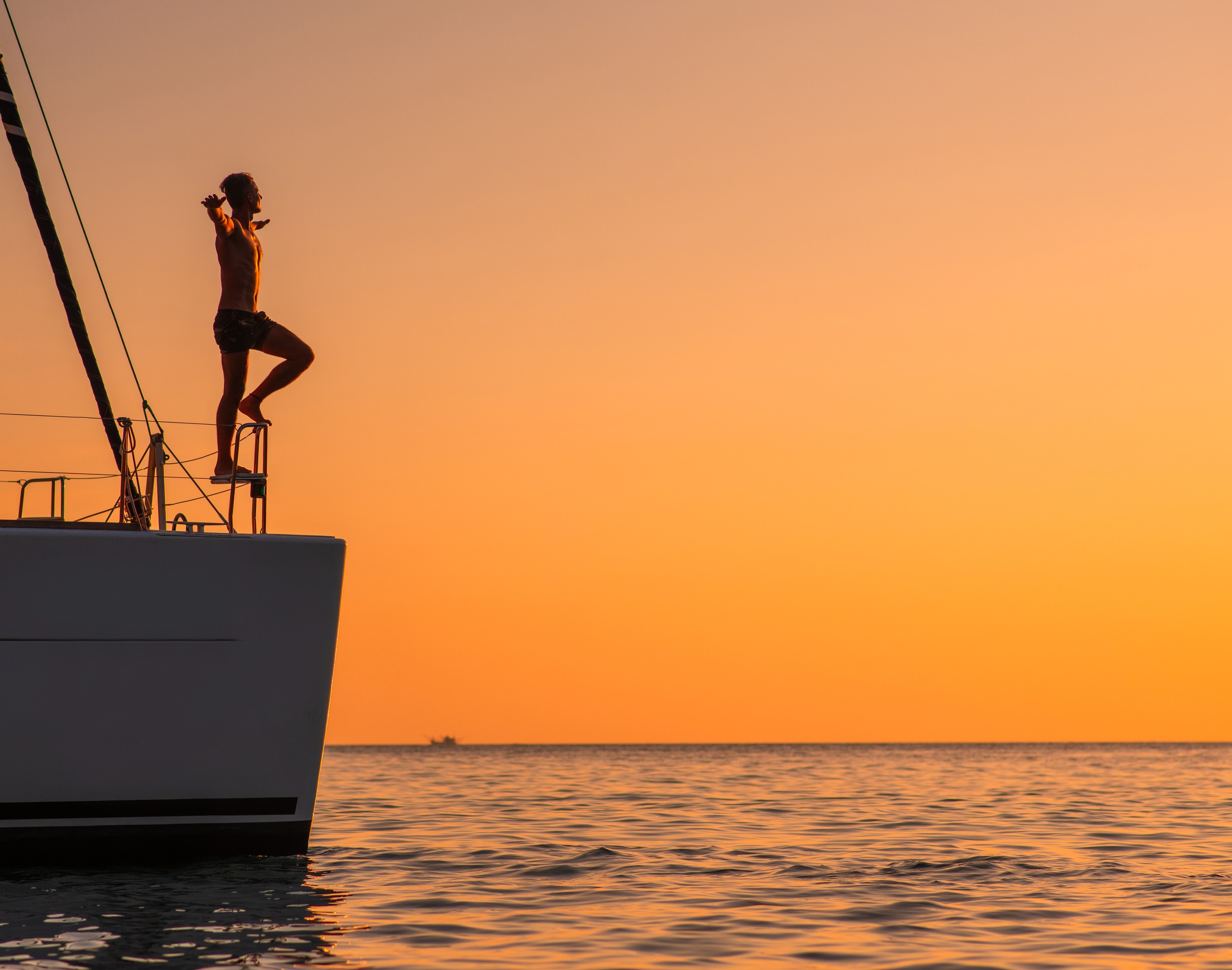
Top Dolphin Experiences in Kaimuki, Hawaii
From dawn boat departures to quiet paddleouts along the southeastern shore, Kaimuki sits within striking reach of some of Oʻahu’s most reliable dolphin encounters. This guide focuses on responsible viewing, snorkel and boat-based options, and practical tips to plan a marine-mammal day that respects animals and maximizes the chances of magical, ethical encounters.
Top Dolphin Trips in Kaimuki
69 trips • Book with confidence • Instant confirmation
Why Dolphin Experiences Around Kaimuki Are Special
Dolphins are one of those travel moments that pivot from checklist item to memory: a sudden choreography at the bowline, a spray of seawater and sunlight, and the quiet thrill of watching wild animals move on their own terms. Off Kaimuki’s nearby coast the water opens into habitats favored by several dolphin species, most notably spinner dolphins whose acrobatic dawn displays and daytime resting patterns make them both accessible and spectacular for observers. The proximity of launch points—whether from small harbors near Honolulu or quieter Windward Coast slipways—means you can trade an early coffee for a sunrise voyage and return in time for a shoreline lunch.
Beyond the sheer delight of sightings, dolphin trips from the Kaimuki area are an invitation to think like a marine traveler: tides and swell shape opportunities, pod behavior dictates viewing etiquette, and local knowledge shortens the learning curve. Ethical operators in the region emphasize passive observation—no chasing, no stressing resting pods, and limited swim-with interactions—so experiences tend to feel intimate rather than intrusive. That approach not only protects animals but usually produces better encounters; calmer, more natural pods are more likely to approach a respectful, stationary boat or stay near surface waters where everyone can watch without disrupting the animals’ day.
There’s a cultural layer to these outings as well. Hawaiʻi’s ocean culture is woven with reverence for kai (the sea) and native practices around stewardship. Guides will often blend natural history with storytelling—identifying behaviors like porpoising and bow-riding, explaining how reef topography shapes where dolphins rest, and noting the seasonal rhythms that alter where pods travel. Complementary activities—snorkeling healthy reefs, paddleboarding along protected bays, or combining a dolphin sighting with coastal hikes around Diamond Head—turn a single encounter into a richer day that emphasizes place as much as species. For planners, the core task is balancing expectation with patience: dolphin sightings are common, but the best experiences come from timing, calm seas, and aligning with operators who practice minimalist, respectful viewing.
Practically, Kaimuki is an excellent staging ground. It’s close enough to popular launch points to shave travel time, yet far enough to access quieter stretches where pods rest. Weather matters—mornings are typically flatter and clearer, and summer months bring gentler swells—so most seasoned guides favor dawn departures. Whether you’re a first-timer looking for an easy boat-based introduction or an experienced snorkeler aiming to glide near a pod under surface, the area’s mix of operators and coastal terrain delivers a variety of approaches while keeping the welfare of the animals front and center.
Local operators prioritize no-contact viewing and education. That means better long-term outcomes for dolphin populations and safer, more sustainable experiences for visitors.
Combine dolphin outings with complementary activities: early-morning wildlife trips often segue into coastal hikes, reef snorkels, or cultural tours that deepen your understanding of the marine environment.
Best Time to Visit
Best Months
Weather Notes
Calmer seas and lighter trade winds in late spring through early fall make for more comfortable boat and paddle conditions; mornings across seasons usually offer the smoothest water and clearer visibility. Occasional winter swells can make small-boat trips rougher, though that season also brings other marine life like humpback whales farther offshore.
Peak Season
Summer months (June–August) see higher tour frequency and increased bookings due to calmer conditions and visitor demand.
Off-Season Opportunities
Winter months may bring fewer daily departures but lower crowding; if you’re comfortable with variable sea states, winter can offer unique wildlife combinations (dolphins plus migrating whales) and potential discounts.
Frequently Asked Questions
Do I need a permit to view or swim with dolphins?
Most recreational dolphin-viewing trips are operated under federal and state marine regulations; individual visitors do not need a special permit, but commercial operators often hold required permits or authorizations. Always follow guide instructions and local no-approach rules.
Can I swim with spinner dolphins?
Rules vary. Many operators discourage or prohibit entering groups that are resting. Swim-with encounters that are permitted are usually heavily regulated and guided to avoid stressing animals. Prioritize operators who follow no-chase, no-contact protocols.
Are dolphin tours suitable for kids or inexperienced swimmers?
Yes—boat-based observation tours are family-friendly and do not require strong swimming skills. Snorkel-based experiences require basic swimming comfort; discuss age and ability restrictions with operators before booking.
Choose Your Experience Level
Beginner
Gentle, boat-based observation tours and short coastal cruises designed for families and first-time marine-watchers.
- Sunrise dolphin watch cruise
- Coastal wildlife sightseeing from a stable tour boat
- Introductory guided kayak or SUP near sheltered bays with short paddles
Intermediate
Snorkel-focused tours and longer boat trips that may involve brief in-water observation near resting pods and a higher level of sea comfort.
- Guided snorkel with distant boat-based observation
- Half-day catamaran trips combining reef snorkel and dolphin viewing
- Paddle-and-spot tours along calmer shorelines
Advanced
Ambitious small-boat outings, multi-site day trips, or free-diving approaches that require experience with open-ocean conditions and an understanding of marine safety protocols.
- Open-water guided free-dives near known dolphin travel lanes
- Full-day expedition cruises exploring extended coastal habitats
- Independent kayak crossings only for experienced paddlers with safety gear
Insider Tips & Local Knowledge
Respectful observation is the key: stay low, stay still, and let dolphins dictate the distance.
Book early-morning departures—dolphins often use shallow bays and nearshore waters at dawn, and mornings tend to be flatter and clearer. Choose operators who publish a clear wildlife interaction policy and prioritize passive viewing. If you’re snorkeling, use reef-safe sunscreen and avoid sudden movements; calm, slow behavior tends to yield the best close-up views. Ask guides about pod IDs and behaviors—local captains can tell you if a pod is resting, traveling, or socializing, and that information shapes whether a swim-with is appropriate. Finally, plan logistics in Kaimuki with cushion: many charter departures are from nearby harbors, so allow extra time for parking and check-in, and confirm equipment rentals in advance during peak season.
What to Bring
Essential
- Light waterproof jacket or windbreaker for early-morning spray
- Sun protection: reef-safe sunscreen, wide-brim hat, UV shirt
- Reef-safe snorkeling gear (mask, snorkel, fins) or rent locally
- Small dry bag for phone/wallet and ID
- Motion-sickness prevention if you’re prone to seasickness
Recommended
- Water bottle and electrolytes
- Polarized sunglasses for spotting at sea
- Light layer for after-sun or breezy conditions
- Waterproof camera or action cam with tether
Optional
- Light snacks for longer half-day trips
- Binoculars for distant pod spotting
- Earplugs or a buff for wind protection
Ready for Your Dolphin Adventure?
Browse 69 verified trips in Kaimuki with instant booking
Explore Top 15 Kaimuki, Hawaii Adventures →