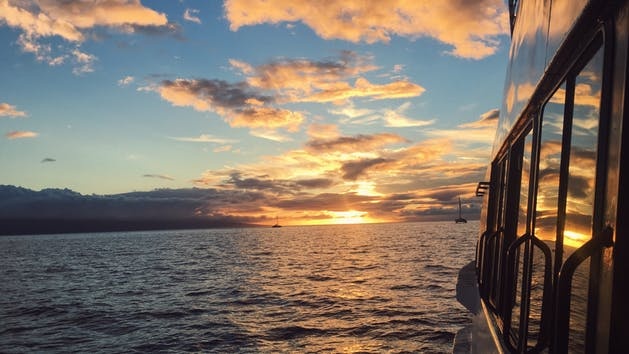
Whale Watching in Kahului, Hawaii
Kahului is a practical jumping-off point for some of Hawaii’s most reliable whale-watching seasons. From December through April humpback whales migrate to the warm, shallow waters of the Maui Nui region where boat-based tours launch from Kahului Harbor and nearby ports. Expect powerful breaches, bubble-net feeding, and long, languid spy-hops framed by volcanic ridgelines—an experience that pairs spectacle with a clear conservation ethic.
Top Whale Watch Trips in Kahului
94 trips • Book with confidence • Instant confirmation
Why Kahului Is a Standout Place to Watch Whales
The story of whale watching around Kahului is both immediate and slow-moving: immediate in the sudden arc of a humpback breach that explodes from a mirror-calm sea, slow-moving in the migration rhythms that return the animals to Hawaiian waters year after year. Each winter the North Pacific humpbacks navigate thousands of miles to calve, court, and rest in the protected channels between Maui, Lana‘i, and Moloka‘i. Kahului’s central location on Maui makes it a pragmatic base for tours that go where the whales congregate, and it’s close enough to the larger harbor infrastructure to support a range of operators—from intimate zodiac runs to larger, more comfortable catamarans.
Beyond the spectacle, the region is a living classroom. Local guides fold natural history, Hawaiian cultural context, and conservation policy into their commentary: you’ll hear the Hawaiian name for humpback (kohola), learn about protected behaviors and harassment laws, and understand how marine sanctuaries and community science shape what you see. The result is an experience that feels both cinematic and responsibly framed—thrilling moments framed by clear rules that protect the animals and the ocean they depend on.
Whale watching here isn’t a single kind of trip. Glassy, windless mornings produce calm passages and long viewing windows; windier afternoons can make for dramatic seas and active surface behavior. Operators time departures to maximize sighting odds and comfort, and many tours combine whale watching with scenic narration, birding, and sometimes a chance to see spinner dolphins or Maui’s dramatic shorelines. For travelers who want a quieter vantage, coastal lookouts and certain beaches offer respectful shore-based viewing when whales are near. Wherever you watch, the experience in and around Kahului trades on one simple truth: these are seasonal visitors whose presence defines a Pacific winter, and they reward patience, respect, and a little planning.
Kahului’s harbor infrastructure and proximity to the Auau Channel mean shorter transit times to whale hotspots compared with other islands, so you spend more of your trip watching and less of it getting there.
The region’s whale season is a conservation success story—sustained protections and community monitoring have allowed humpback numbers to recover since mid-century declines. Local guides often double as educators, sharing practical guidance on minimum approach distances and how to read whale behavior.
Complementary activities are abundant: plan a morning whale-watch cruise and an afternoon snorkeling trip to Molokini, or follow with coastal hikes and cultural sites on West Maui. Whale watching pairs naturally with other marine adventures but requires separate planning because of weather and sea conditions.
Best Time to Visit
Best Months
Weather Notes
Winter brings the humpback migration and generally cooler mornings with trade winds that can pick up by midday. Sea state matters—calm mornings increase sighting comfort, while wind-driven seas can make viewing rougher. Always check the marine forecast before booking.
Peak Season
Late January through March typically sees the highest concentration of whales and the most active surface behavior.
Off-Season Opportunities
Summertime offers quieter seas and easier snorkeling, but whale sightings are rare. Shoreline watching from high cliffs or promontories can still yield occasional cetaceans outside the peak window.
Frequently Asked Questions
When is whale-watching season in Kahului?
The reliable season runs from December through April, when North Pacific humpback whales migrate to Hawaiian breeding and calving grounds. Sightings are most consistent January–March.
Can I watch whales from shore around Kahului?
Yes—shore-based viewing is possible from elevated coastal points and some beaches when whales are nearshore. However, sightings from land are less predictable than boat tours and depend on whale location that day.
Are boat tours safe for families and non-swimmers?
Many operators run family-friendly vessels with safety briefings and life jackets. If you have specific concerns, contact the operator ahead of time to discuss vessel type, comfort accommodations, and accessibility.
Do tours guarantee whale sightings?
No reputable operator guarantees sightings—wildlife is unpredictable. However, Kahului-based tours have high success rates during peak months due to short transit to the Auau Channel.
Choose Your Experience Level
Beginner
Short, comfortable catamaran tours or shore-based viewing that require minimal mobility and no sea experience.
- 2–3 hour family-friendly whale-watch cruise
- Coastal lookout shore watch with binoculars
- Half-day combined whale watch and sightseeing trip
Intermediate
Smaller boats and zodiac tours that may include more open-sea exposure and require moderate mobility for boarding and brief climbs.
- Zodiac whale encounter focusing on active behaviors
- Combined whale watch and snorkeling trip (sea conditions dependent)
- Photography-focused mid-size vessel with narration
Advanced
Extended or specialized trips that go farther afield for behavior-driven encounters and may require tolerance for longer transit times and rougher seas.
- Full-day marine naturalist expeditions
- Expedition-style photography charters
- Multi-activity days combining whale watching, deep dives, and birding
Insider Tips & Local Knowledge
Respect the animals, check conditions, and choose operators committed to responsible viewing practices.
Book early—popular windows in January through March sell out quickly, especially holiday weeks. Morning departures often offer calmer seas and cleaner light for photography; afternoons can bring stronger tradewinds and chop. If you’re prone to motion sickness, take preventative measures the night before and again 30–60 minutes before launch. When selecting an operator, look for experience, interpretive naturalists, and explicit adherence to NOAA and local approach regulations. For quieter viewing, consider a smaller operator on a rigid-hull craft—but confirm comfort and safety standards. Bring layered clothing and a waterproof shell; even on warm days the spray and ocean breeze can feel chilly. Finally, balance your boat day with a shoreline afternoon—Maui’s coastal hikes, beaches, and cultural sites pair well with marine time and broaden your sense of place.
What to Bring
Essential
- Light windbreaker or waterproof jacket (mornings can be cool and spray is common)
- Sunscreen and wide-brim hat (UV is strong even on overcast days)
- Binoculars for distant behavior and shore-based spotting
- Seasickness remedy if you’re prone (ginger, patches, or medication)
- Reusable water bottle and small snacks
Recommended
- Layered clothing—mornings are often cooler than afternoons
- Camera with a moderate zoom (200–400mm ideal for action shots)
- Polarized sunglasses to reduce glare
- Small dry bag or waterproof phone case
Optional
- Compact spotting scope for shore-based viewing
- Notebook or app for recording sightings (many visitors enjoy tracking fluke patterns)
- Light binocular harness for longer excursions
Ready for Your Whale Watch Adventure?
Browse 94 verified trips in Kahului with instant booking
Explore Top 15 Kahului, Hawaii Adventures →