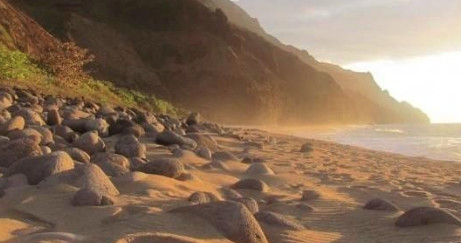
Top 12 Hiking Adventures in Kaʻena, Hawaii
Wild, wind-swept and heartbreakingly simple, Kaʻena’s coastal trails undo the calendar of ordinary life. Here the island tapers to a rocky promontory guarded by seabirds, tidal shelves and a single ribbon of trail that stitches cliff, scrub and surf into a day-hike arena. Expect raw ocean panoramas, close encounters with native wildlife, and a terrain that rewards careful planning more than flashy gear.
Top Hiking Trips in Kaʻena
12 trips • Book with confidence • Instant confirmation
Why Kaʻena Is a Standout Hiking Destination
Kaʻena sits at Oʻahu’s blunt northwestern edge where the island meets the full force of the Pacific—an exposed, elemental place where sky, wind and water carve a different kind of trail experience. Hikes here are not about forested switchbacks or alpine summits; they are about coastal line-of-sight travel, where the route follows the rhythm of tides, the arc of seabird flight and the long memory of Hawaiian voyaging routes. The landscape is spare—low shrubs, salt-pruned kiawe and native plants tucked into pockets of sand and lava—yet every step feels deliberate because there is little margin for error. Underfoot you’ll trade the soft compost of a rainforest for gritty sand, broken lava, and packed dirt that can be hot and abrasive in midday sun. That exposure is Kaʻena’s appeal: vistas that stretch unbroken to the horizon, the sudden arrival of wildlife—albatross riding the wind, monk seals hauled up on remote shelves—and the sense that you’re following the coastline rather than climbing it.
What makes Kaʻena singular is the layering of natural and cultural history. This coastline has always been a threshold: a fishing ground, a kapu place, and a waypoint for generations of Hawaiians who navigated by stars and currents. Today the trails are informal in sections and intentionally protected in others—parts of the point serve as wildlife sanctuary, and seasonal closures or signage reflect nesting cycles and habitat restoration. The result is a hiking experience that feels more like respectful exploration than recreational conquest. Hikes range from short, reflective walks to full-day coastal treks that require endurance, sun management and tidal awareness. Many visitors combine hiking with birding, shoreline exploration, or surfing sessions where permitted, turning a trail day into a mosaic of active and contemplative moments.
For travelers, Kaʻena’s accessibility is part of its rhythm: there are trail access points on the island’s northwest road ends, each offering a different flavor—sandy beaches, sheer cliff overlooks, or rocky shorelines lined with tidepools. Facilities are minimal; water, shade and cell service are unreliable. That removes a layer of convenience and demands preparation, but it also clears the way for a purer kind of coast-hiking: one measured by wind gusts, the angle of the sun, and the patient progress of feet across the shoreline. Visit with respect, follow trail closures, give wildlife wide berth, and you’ll find a place where the island’s edge feels both ancient and immediate.
Low vegetation and wide ocean exposure define the trails—expect sun, steady trade winds, and little shade. Those conditions make timing, sun protection, and water the primary safety concerns.
Kaʻena is ecologically important: parts of the point are managed to protect nesting seabirds and native coastal plants. Seasonal restrictions and signage are common—observe closures and stay on designated paths.
Hiking here pairs naturally with other activities: birdwatching (especially seabirds and shorebirds), tidepool exploration, and photography are obvious complements. On calmer days, west-facing beaches near the trailheads offer surf and bodyboarding for those who want to add waves to their itinerary.
Best Time to Visit
Best Months
Weather Notes
Kaʻena is exposed to Hawaii’s trade winds year-round—pleasant on hot days but gusty and abrasive at times. Winter months can bring larger northwest swells and stormy weather. Sunny, calm mornings are ideal for hiking; afternoons bring more wind and variable surf conditions.
Peak Season
Weekends, holiday periods and summer holidays are the busiest times, when parking at trailheads fills early.
Off-Season Opportunities
Weekday mornings in shoulder seasons offer the best chance for solitude and clearer views. Off-season weather can bring bigger surf and rougher coastal conditions—plan accordingly.
Frequently Asked Questions
Do I need permits to hike Kaʻena?
Most day hikes at Kaʻena do not require permits, but sections near wildlife sanctuaries may be seasonally restricted—always check posted signs and local park notifications before you go.
Are trails suitable for beginners?
There are easier, short coastal walks accessible to beginners, but much of Kaʻena is exposed and can be challenging in heat, wind or high surf. Beginners should pick short out-and-back routes, carry ample water, and avoid midday heat.
Can I see wildlife up close?
You may spot seabirds, shorebirds and occasionally monk seals on remote shelves. Maintain distance, do not approach resting animals, and follow sanctuary rules—disturbing wildlife is both unsafe and often illegal.
Choose Your Experience Level
Beginner
Short coastal strolls to scenic overlooks and beach approaches that require minimal elevation and basic trail sense.
- Beach approach and short shoreline walk
- Sunrise coastal stroll with birdwatching
- Easy out-and-back to a nearby overlook
Intermediate
Half-day hikes along exposed coastal ridgelines and mixed terrain—expect several miles, uneven footing, and strong sun and wind.
- Point-to-point coastal trek between trailheads
- Full-day circuit combining beaches and cliffside viewpoints
- Tidepool exploration paired with longer shoreline walking
Advanced
Long, exposed coastal traverses requiring route-finding, endurance, strong navigation skills and careful planning around tides and surf.
- Extended coastal traverse with limited resupply options
- Wind-exposed ridge-to-shore navigation in variable conditions
- Multi-activity day combining long hikes with photography and wildlife observation
Insider Tips & Local Knowledge
Check trail access updates and sanctuary notices before you go. Respect closures and wildlife; plan for sun, wind and limited services.
Arrive at trailheads early—parking is limited and weekend mornings fill fast. Carry more water than you think; shade can be nonexistent and the sun is strong even on overcast days. Watch the surf and tides before stepping onto rocky shelves—conditions can change quickly and waves can sweep unexpectedly. Treat the area as a protected landscape: stay on paths, don't remove plants or shells, and keep dogs leashed or leave them at home since wildlife are sensitive to disturbance. Bring layers for wind and an extra small emergency kit; cell reception is spotty, so leave a plan with someone and consider a lightweight personal locator if you’ll be far from the road. Finally, slow down—Kaʻena rewards observation: a patient hour on the rocks often yields quiet wildlife encounters and light that makes the coastline feel timeless.
What to Bring
Essential
- 2–3 liters of water per person (more in hot conditions)
- Sun protection: hat, high-SPF sunscreen, long-sleeve sun shirt
- Sturdy closed-toe shoes with good grip (trail shoes or rugged sneakers)
- Navigation: offline map or GPS and a physical map if possible
- Windproof layer and light insulating layer
Recommended
- Trekking poles for balance on shale or uneven lava
- Small first-aid kit and blister care
- Tide chart or local tide app if you plan to explore rock shelves
- Binoculars for seabird and marine-wildlife viewing
- Dry bag for electronics and valuables
Optional
- Compact camera or long-lens for bird photography
- Reef or water shoes if you plan short shoreline explorations
- Light snacks with electrolytes for hot, exposed days
Ready for Your Hiking Adventure?
Browse 12 verified trips in Kaʻena with instant booking
Explore Top 15 Kaʻena, Hawaii Adventures →