
Ka‘ena adventure guide
Find your way into Ka‘ena.
At Oʻahu’s western edge, Kaʻena reads like a coastal manifesto: wind-scoured lava, scrub that smells of salt, and a horizon that feels unbroken. This guide stitches together the best ways to move through this edge-of-island terrain—hikes that end at a colony of shearwaters, snorkel and scuba outings that chase reef walls, catamaran and boat tours that trade shoreline for open water—so you can plan a daytrip or a focused adventure weekend with clarity and confidence.
Three ways into the city
Pick a landscape. Build a day around it.
Ka‘ena is less a single destination than a collection of neighboring worlds. Start with the version of the city that matches your pace, then use the ranked guide below to fill in the details.

Begin where the city meets the sea.
Surf breaks, sheltered harbors, whale routes, and long beach paths make the coast LA’s most immediate outdoor playground.
Explore water activities →
Let a local connect the landmarks.
Use a guided city, walking, or sightseeing tour to turn LA’s sprawl into a coherent story.
Explore boat tour →
Ride the coast and the city.
Beach paths, river corridors, e-bikes, and ridge climbs reveal a more connected Los Angeles.
Explore surf →Choose your way into Ka‘ena
The top 15 Ka‘ena adventures.
Ranked by the number of currently listed trips. Each panel opens the complete local activity collection.
1Water Activities
Fringing reef, wind-sculpted shorelines, and a raw, remote coastline define Kaʻena as a singular place for ocean play. From glassy summer snorkeling and calm paddles to dramatic winter surf watching and rugged coastal exploration, Kaʻena’s water activities reward travelers who come prepared for variable conditions and a sense of solitude.
Explore water activities →2Boat Tour
Boat tours out of Kaʻena feel intentionally small: the shoreline here drops away to volcanic rock, seabird colonies, and open ocean that draws whales, dolphins, and reef life close to shore. From nimble zodiacs that skim the surflines of sea cliffs to relaxed glass-bottom cruises that follow the crescent of Kaʻena Reef, these excursions are about intimacy with a wild stretch of Oʻahu few visitors see from the land. Expect salt-smoothed lava, wind-carved cliffs, and a living marine corridor where seabirds wheel, monk seals haul out, and humpbacks arrive in winter. Practical, accessible, and often seasonal, Kaʻena boat tours pair easily with coastal hikes and snorkeling stops, making them a compact way to stitch marine wildlife, geology, and culture into a single morning or afternoon on the water.
Explore boat tour →3Surf
Kaʻena is the wild edge of Oʻahu — a windswept headland where the ocean speaks in long, raw swells and the coastline feels almost untouched. Surfing here is less about crowded lineups and more about reading the sea, respecting local conditions, and earning waves accessed by hike, 4x4, or a patient paddle. This guide covers how to approach Kaʻena surf: the seasonal rhythms, logistical realities of getting there, local wildlife and cultural considerations, and practical kit and safety advice to help you experience these remote West Oʻahu breaks responsibly.
Explore surf → 4
4Snorkel
Rugged, remote, and blessed with a marine life most visitors to Oʻahu never see, Kaʻena's coastal shelves and tide pools offer a raw snorkeling experience rooted in wild seas and clear summer water. Expect encounters with native fish, coral gardens in protected pockets, and the ever-present chance to glimpse an endangered monk seal hauled out on the rocks—observe from a distance and let the place remain its own.
Explore snorkel → 5
5Scuba
Fringed by sheer lava coastline and ocean that shifts from glassy teal to roaring blue within minutes, Kaʻena delivers a singular scuba experience: remote shore entries, volcanic reef structures, and the chance to see pelagics and reef fish in a relatively undeveloped stretch of Oʻahu. This guide focuses on scuba—shore and small-boat dives around Kaʻena Point and nearby pinnacles—while weaving in related adventures like snorkeling, shore hiking to viewing points, and coastal birding that complement a diving trip.
Explore scuba →Sightseeing Tour
Raw coastline, sweeping ocean horizons, and a sense that you’ve come to the edge of the island: Kaʻena is sightseeing distilled to wind, rock, and sea. This guide focuses on tours that show you the place—coastal walks, small-boat viewpoints, guided nature walks, and combined land-and-water itineraries that reveal seabird colonies, seasonal whales, and tidepools. Expect minimal infrastructure, maximum exposure to weather, and unforgettable light.
Explore sightseeing tour → 7
7Boat Rental
Kaʻena’s ragged headland and offshore reefs define a textured marine playground: clear snorkeling bowls, steep drop-offs, seasonal whale corridors, and surf that frames the horizon in winter. Boat rental in this corner of Oʻahu is less about party pontoons and more about careful planning—launching from nearby harbors, timing tides, and choosing the right craft for a day of fishing, snorkeling, or coastal exploration. This guide helps you translate the idea of remote, salt-tinged adventure into a safe, memorable outing.
Explore boat rental →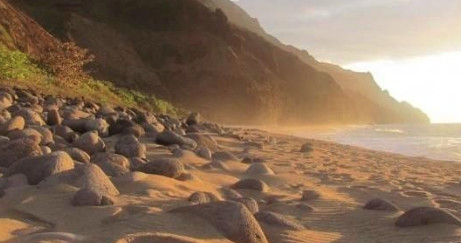 8
8Hiking
Wild, wind-swept and heartbreakingly simple, Kaʻena’s coastal trails undo the calendar of ordinary life. Here the island tapers to a rocky promontory guarded by seabirds, tidal shelves and a single ribbon of trail that stitches cliff, scrub and surf into a day-hike arena. Expect raw ocean panoramas, close encounters with native wildlife, and a terrain that rewards careful planning more than flashy gear.
Explore hiking →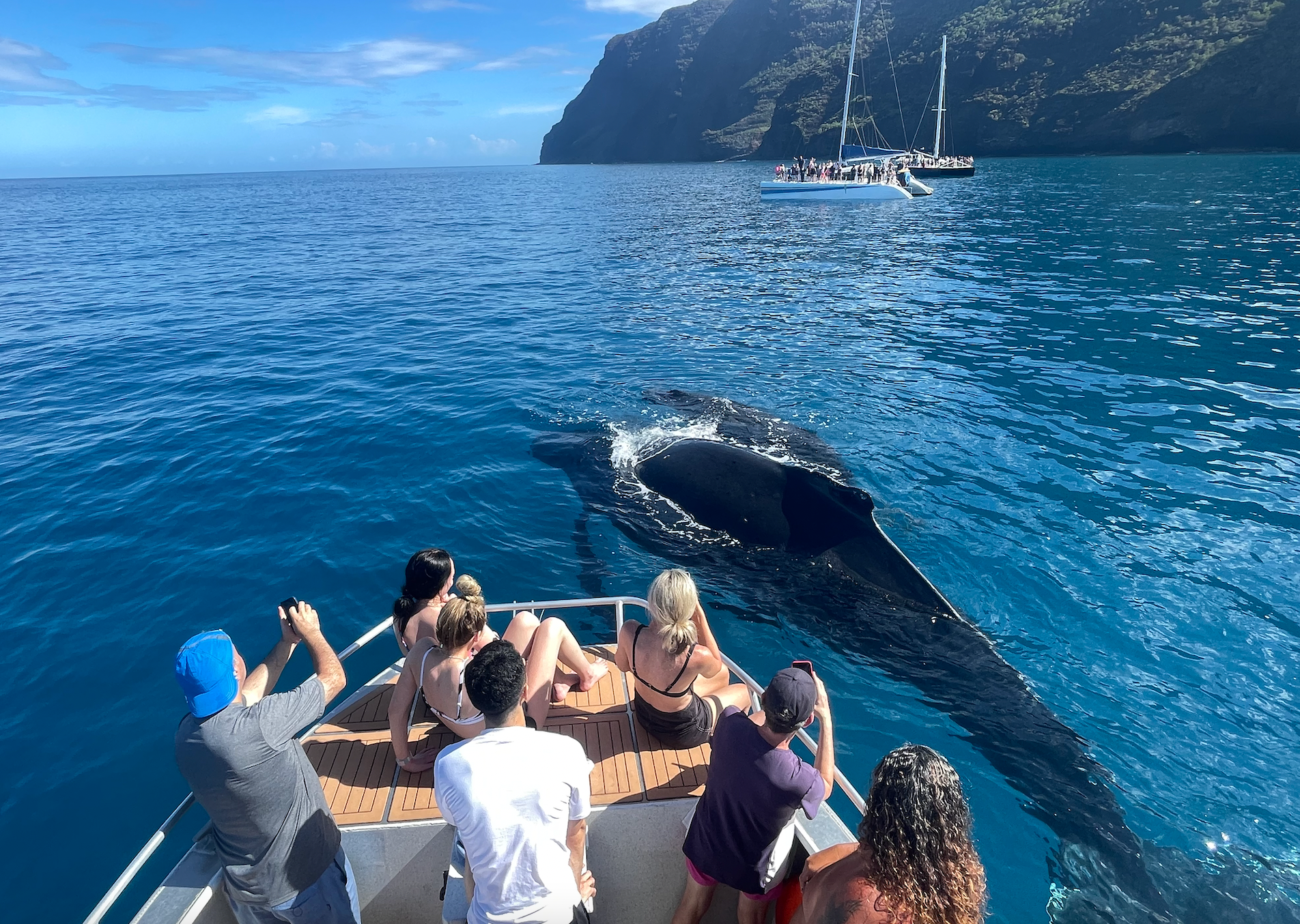 9
9Catamaran
Catamaran trips out of Kaʻena deliver a distinct blend of raw coastline, open-ocean horizons, and intimate marine encounters. From sunrise sails skimming the rugged cliffs of Kaʻena Point to evening voyages that track migrating whales and paint the sky for sunset, catamarans offer stable, spacious platforms ideal for wildlife viewing, snorkeling, and relaxed coastal cruising. This guide focuses on what to expect on a Kaʻena catamaran trip and how to choose the right excursion for sea state, season, and your sense of adventure.
Explore catamaran → 10
10Walking Tour
Kaʻena's walking tours are less about paved promenades and more about a slow, sensory translation of coastline—salt on your lips, wind that edits every horizon, black lava surfaces that hold heat like a memory. These routes thread together shoreline ledges, sandy gulches, seabird colonies, and ancient Hawaiian wahi pana (storied places). Trails range from short shore strolls to full-point traverses that require stamina, sun sense, and a respectful quiet for wildlife.
Explore walking tour → 11
11Whale Watch
On Oʻahu’s wild western lip, Kaʻena is where the ocean opens up and the rhythm of the Pacific becomes legible: the slow exhalations of migrating humpbacks, the flash of dorsal fins, and the wind-scrubbed shorelines that frame long views to sea. This guide focuses on whale-watching experiences centered on Kaʻena—from accessible shore vantage points near Kaʻena Point to small-boat passages that thread along the leeward shelf. Expect raw coastline, variable seas, strong winds, and singular moments: breaches, tail-slaps, and the quiet intimacy of a mother and calf in a cradle of blue.
Explore whale watch → 12
12Air Activities
Perched on the western tip of Oʻahu, Kaʻena is a place where wind, sea cliffs, and open sky conspire to make airborn adventures unforgettable. Whether you're watching the rugged coast recede beneath a helicopter skirting the shoreline, drifting offshore in a tandem paraglider pushed by steady trade winds, or scanning the sanctuary from a low-flying scenic flight, Kaʻena's raw geography and marine mosaic define a distinct class of aerial experiences. This guide focuses specifically on air activities around Kaʻena—what the terrain demands, how season and wind shape choices, and practical planning advice for travelers seeking to take to the sky with respect for the place and its wildlife.
Explore air activities → 13
13Dolphin
On Oʻahu’s wild western edge, Kaʻena Point is where raw coastline meets a living sea—an intimate place to encounter Hawaiʻi’s most iconic cetaceans. This guide focuses on dolphin-centered experiences: shore-based watches, kayak and snorkel trips, small-boat wildlife tours, and the responsible practices that keep both visitors and pods safe. Expect salt spray, bright reef fish, and the hush of a place where land, culture, and ocean currents converge.
Explore dolphin → 14
14Eco Tour
Kaʻena occupies the wild, wind-swept shoulder of Oʻahu—the island's westernmost edge where ocean, lava, and scrubland meet. Eco tours here focus on intimate encounters with coastal ecosystems: seabird colonies, native plant restoration, tidepools, and the slow, tidal comings-and-goings of monk seals and migrating whales. These are low-impact experiences that emphasize observation, cultural context, and conservation—best enjoyed with a guide who can read the landscape and translate the ecological threads that make Kaʻena resilient and fragile at once.
Explore eco tour → 15
15Sailing
Sailing around Kaʻena is an exercise in contrasts: exposed Pacific swells and steady trades meet sheltered bays, vibrant coral gardens, and one of Oʻahu’s most rugged coastal preserves. Short day sails, private charters, and multiday coastal legs reward skippers and guests with dramatic shorelines, marine wildlife, and clear water for snorkeling. This guide focuses on the on-water experience—route choices, seasonal weather, safety considerations, and how to pair a sail with shoreline hikes, snorkeling, and coastal photography.
Explore sailing →The city and the sea
Why Kaʻena Belongs on Your Adventure Shortlist
Variety without surrendering the day to long transfers.
There’s a particular hush that settles over Kaʻena just before the sun retracts into the Pacific: wind tightens across the plateau, seabirds thread the thermals, and the surf hammers the offshore reefs with a steady, hollow voice. This place is the island’s margin—sparse, exposed, and insistently elemental—where each footstep feels conspicuous because there are so few to begin with. For travelers who want to trade crowds for coastline, Kaʻena is a concentrated lesson in why Hawaii’s wild edges are worth seeking out. The terrain here folds together coastal scrub, raw basalt, and ribbon trails that follow ridgelines into a reserve where native plants persist in pockets and seabirds find sanctuary. Getting to Kaʻena is part of the experience. Trails from the North Shore and the Waiʻanae side converge toward a remote headland; boat and catamaran routes skirt the coast and open into calm coves for snorkeling and scuba; and the ocean here can be both playground and classroom—clear, richly biodiverse, and occasionally dramatic when winter swells roll in. The result is a rare adjacency: you can hike a solitude-steeped trail to a rocky point, then board a boat to drift over reef gardens where turtles and dolphins are regulars. That adjacency also makes Kaʻena an ideal microcosm for mixing activities—surf and snorkel in the morning, a coastal walk at mid-day, and a whale-watch or sunset sail later on. Culturally and ecologically, Kaʻena matters. The point is a traditional boundary marker and a place of significance in Native Hawaiian stories; it’s also a protected natural area with strict visitor expectations designed to preserve nesting seabirds and sensitive coastal ecosystems. Practically, that means good planning—check trail conditions, respect seasonal closures, approach wildlife at a distance, and favor reef-safe sunscreen. For planners, Kaʻena rewards a light, purposeful kit: sun protection, layers for wind, sturdy shoes for lava rock, and a drybag for ocean days. And because services are limited, outfitters on Oʻahu’s North Shore who offer boat tours, snorkel and scuba trips, catamaran sails, and guided hikes become essential partners in turning a day trip into a seamless, memorable adventure.
Access is straightforward if you prepare: well-marked trailheads on both the Waiʻanae and North Shore sides funnel into a series of coastal walks. Outfitters anchor most water-based departures from nearby harbors for snorkeling, scuba, catamaran sails, and whale-watching in season.
Kaʻena’s compactness is its advantage—within a single day you can stack a shore hike, a morning surf or snorkeling session, and an afternoon boat tour. Respect seasonal wildlife protections and local guidelines to keep this shoreline wild for future visits.
Conditions shape the day
The best time to visit Ka‘ena.
Kaʻena sits in the path of trade winds—expect sun punctuated by brief showers. Winter months bring bigger ocean swells on the outer reef and cooler water temps; summer and shoulder seasons tend to have calmer seas and clearer snorkeling conditions.
Best all-around window
Spring + fall
Comfortable mixed-itinerary weather, thinner crowds at beaches and lookouts, and more room to improvise.
Beach season
December–March for big surf and whale-watching, and summer holiday weekends for local beach traffic.
Surf + whales
Late spring and early fall offer calmer ocean conditions, fewer visitors, and excellent visibility for snorkeling and scuba.
Coast to inland
Cool marine mornings often give way to warmer inland afternoons and breezy evenings.
Beginner
Low-mileage coastal walks on well-trod trails, sheltered snorkel spots, and calm catamaran sails—great for first-time visitors and families.
- Short Kaʻena Point shoreline walk from a North Shore trailhead
- Guided catamaran snorkel trip to protected coves
- Gentle morning paddle or SUP in sheltered bays
Intermediate
Longer hikes across lava plain and ridgeline, boat trips that include shore landings, surf sessions on mellow breaks, and guided snorkeling in more exposed reefs.
- Full Kaʻena Point hike with return loop
- Half-day boat tour with snorkel and dolphin watching
- Guided scuba dives on nearby reef walls
Advanced
Challenging coastal traverses, big-wave surf sessions in winter, multi-dive days in variable conditions, and technical boat charters that push beyond sheltered waters.
- Winter big-surf surf session with a local coach
- Advanced open-water scuba on exposed reef drop-offs
- Private boat charter for extended whale-watch and offshore exploration
Field kit
What to bring.
Pack for sun, salt water, walking, and a meaningful temperature swing between coast and inland Ka‘ena.
Essential
Start here
- Reef-safe sunscreen and sun hat
- Plenty of water and salty snacks
- Sturdy trail shoes for uneven lava and pebble beaches
- Light wind layer and quick-dry clothing
- Dry bag for electronics and itinerary printed or offline map
Water days
Keep it dry
- Snorkel kit or mask and reef-safe disposable gloves (if needed)
- Compact first-aid kit and blister care
- Tide chart and local surf report app
- Binoculars for seabird and whale spotting
Long days
Stay flexible
- Wetsuit or rashguard for cooler winter swims
- Lightweight trekking poles for uneven shoreline walks
- Action camera with float tether
- Portable snorkel float or surface marker buoy for visibility
Insider note
Start early, then keep the geography tight.
Start early to beat winds and afternoon crowds, and always carry extra water and shade—parking and services are limited. Respect wildlife: give seals, turtles, and nesting birds plenty of space and never feed them. Use reef-safe sunscreen and avoid stepping on coral. If you plan to snorkel or dive, book with reputable operators who monitor conditions and provide briefings; their local knowledge will markedly improve safety and sightings. For surf and winter ocean activities, tap a local surf report and consider lessons or guided outings. Finally, leave no trace: pack out what you bring, and treat the point and surrounding coves as both a cultural site and a fragile ecosystem.
Good to know
Frequently asked questions.
Do I need a guide for Kaʻena hikes or water activities?
You can hike the main trails independently if you’re comfortable with exposed shorelines and basic navigation, but guided boat tours, snorkel and scuba trips, and whale-watch excursions add safety, local knowledge, and access to quieter spots. Choose a guide for unfamiliar conditions or if you want gear and briefings included.
Are there permits or restrictions to know about?
Kaʻena Point is a protected area with seasonal restrictions to protect nesting seabirds and wildlife. Respect posted signs, stay on designated trails, and check state park pages or local land managers for temporary closures or permit requirements for special activities.
Is the water safe for snorkeling and swimming year-round?
Water is generally safe in calmer months, but strong currents can appear, especially in winter. Check surf and tide reports, ask local outfitters about daily conditions, and never snorkel alone. Keep distance from monk seals and other protected wildlife.
Ready when you are
Find the trip that fits your Ka‘ena day.
Compare bookable experiences across the coast, city, and mountains—then save the ones that belong in your plan.
Explore all Ka‘ena adventures ↗