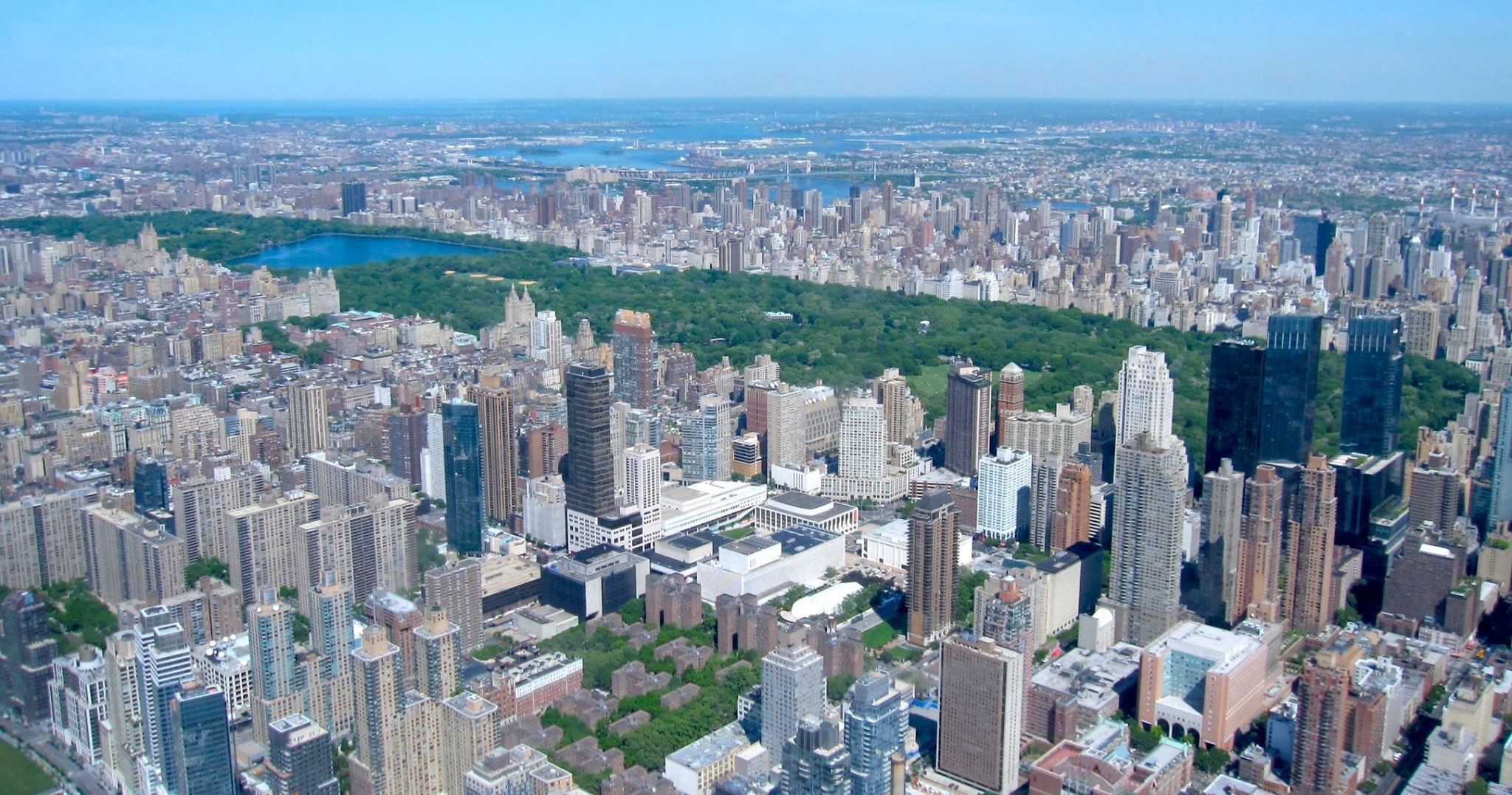
Jamaica sits inside a tension zone of city and coast that makes aerial activity here singular: from the concrete geometry of downtown Manhattan to the wide blue of Jamaica Bay and the long, wind-swept arc of the Rockaways, every flight becomes a study in contrast. The neighborhood’s proximity to major airports and heliports means operators can build short, dramatic circuits that cover Manhattan’s skyline, the Statue of Liberty, the South Shore beaches, and the marsh-lined estuaries of the bay—all within a single lap. That compressed palette of scenery is ideal for short scenic flights, introductory lessons, and aerial photography sorties where every minute overhead delivers a different perspective.
Beyond the views, Jamaica’s accessibility is a practical advantage. Public transit links and major road arteries let visitors stage early-morning departures or late-afternoon returns without long drives. At the same time, the area’s aviation infrastructure—and its place inside busy, regulated airspace—means pilots and operators must be disciplined about scheduling, weather windows, and FAA coordination. For travelers this translates into flights that are reliable when booked through reputable outfitters, but also an expectation of cancellations when conditions or air-traffic control require it. The net effect is a visitor experience that rewards careful planning: early bookings for peak-season windows, clear communication with providers, and flexibility when the city or weather demands a change.
Culturally and historically, Queens and the surrounding coastal landscapes have a quiet aviation pedigree. The waterfront and nearby airports have long been nodes for commuter, cargo, and recreational flight—so airborne activities here feel less like novelties and more like extensions of the region’s relationship with flight. That history informs how operators run tours (safety-first, tight turnarounds, and packaged itineraries) and how locals think about the sky—as a busy, functional space rather than purely a playground. For visitors seeking adventure, that translates into well-run experiences that emphasize spectacular views while keeping logistics straightforward: short-duration flights for first-timers, specialized charters for photographers, and training or tandem sessions for those who want to learn to fly.
Short flight times are the norm: expect 10–30 minute scenic routes that concentrate highlights (skyline, bay, coastline) into compact circuits ideal for visitors with limited time.
The neighborhood’s aviation infrastructure means a variety of formats—helicopter tours, fixed-wing scenic flights, and introductory ultralight or gyroplane sessions—though availability depends on operator licensing and FAA rules.
The harbor is the gateway, and the Pacific becomes the classroom.
Because airspace is busy, operators often schedule flights at sunrise or late afternoon to maximize light and minimize traffic. These windows can offer the smoothest conditions and the best photographic light.
Choose by purpose
Whale watching, snorkeling, sunset sailing, cultural canoeing, harbor sightseeing, or private chartering.
Start near the city
Waikiki and Honolulu Harbor are primary hubs, with some trips launching near Hanauma Bay.
Confirm the vessel
Gangways, shaded seating, and boarding requirements vary according to vessel size and operator.