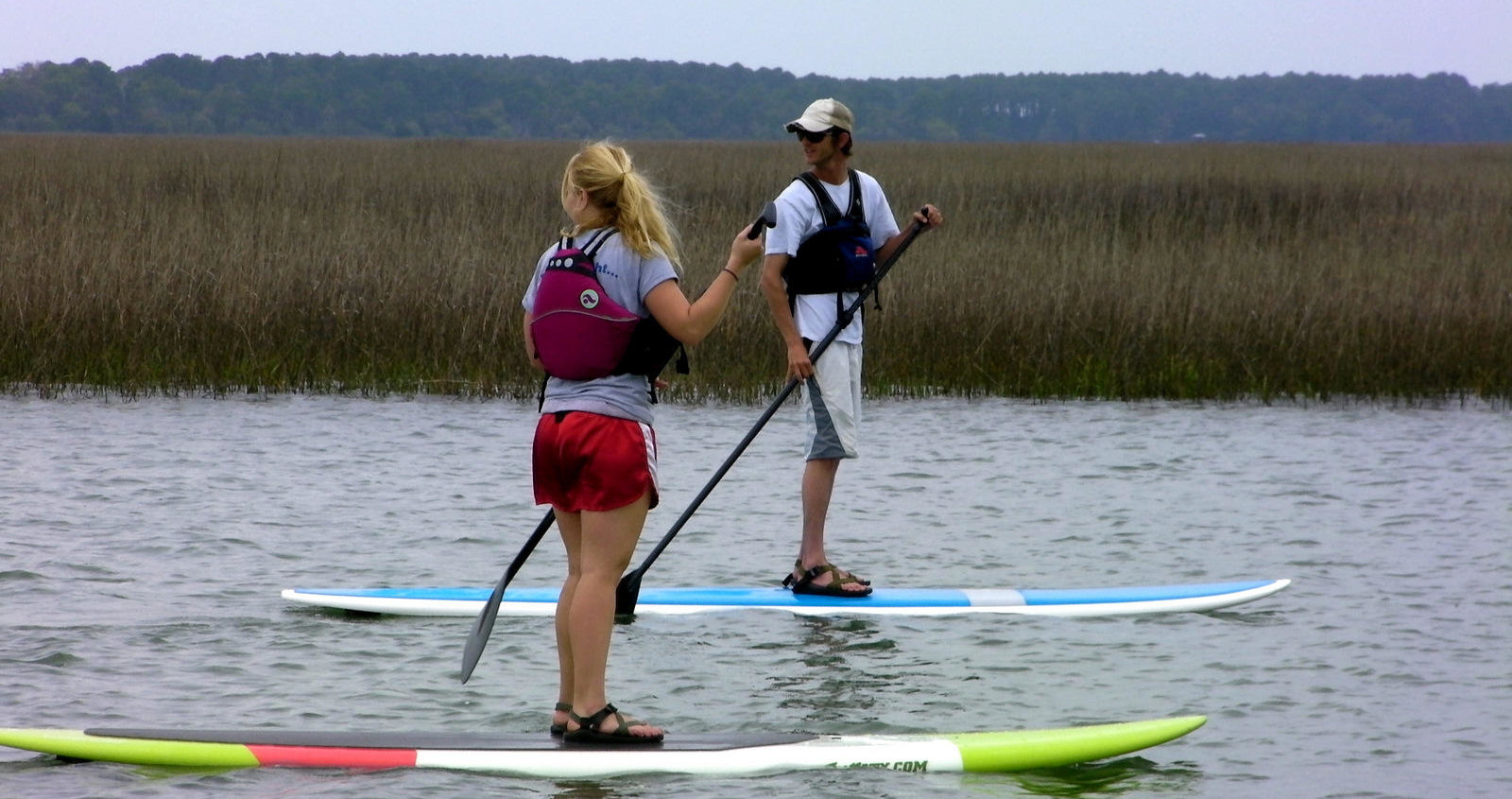
Stand-Up Paddleboarding (SUP) on Isle of Palms, South Carolina
Isle of Palms bends its beaches toward wide skies and shallow, marsh-fringed waterways that make it one of the most inviting coastal towns in the Lowcountry for stand-up paddleboarding. From beginner-friendly flatwater paddles through tidal creeks to wind- and wave-filled surf sessions at Breach Inlet, SUP here is a study in contrasts—gentle estuaries one moment, dynamic coastal swells the next. This guide focuses on routes, seasonal considerations, safety, and what to pack so you paddle with confidence and curiosity.
Top SUP Trips in Isle of Palms
12 trips • Book with confidence • Instant confirmation
Why Isle of Palms Is Ideal for SUP
Isle of Palms frames a modest barrier-island life that, for paddlers, reads like a choose-your-own-adventure map. Shallow tidal creeks and broad sandflats thread inland toward salt marshes where wrens and ospreys preside; exposed beaches meet the Atlantic and create surfable breaks and plunging swells at spots like Breach Inlet. That juxtaposition—calm, protected water a short paddle from lively ocean conditions—makes the island an exceptional place to develop paddling skills, test different board types, and mix environmental observation with active exploration.
Paddling here is as much about reading light and tide as it is about readjusting your rhythm. Morning flatwater sessions in the Intracoastal and the back-bay channels reward quiet wildlife encounters and glassy water ideal for inflatable and all-around boards. As the day warms, onshore breezes build and turn exposed stretches into playful wind lanes; by late afternoon, seasoned paddlers often chase the incoming swell at the inlet or link short down-the-line rides when conditions align. Beyond the physical sensations, SUP on Isle of Palms is quietly instructive: tidal flows carve channels, sandbars appear and disappear with the calendar, and marsh ecology unfolds at eye-level from the deck of your board.
For travelers who want more than a single outing, the island pairs naturally with other Lowcountry experiences. Early-morning SUP trips segue into birding walks along the marsh, while longer coastal runs can finish with a beach picnic or seafood lunch at a local café. Guided eco-tours expand the experience with local context—saltmarsh dynamics, shell middens, and historic markers—while rental shops make short and multi-day options accessible for visitors without gear. In short, Isle of Palms supports a full spectrum of SUP ambitions: the casual explorer seeking serene paddles, the learner building balance and confidence, and the adventurous paddler chasing wind, tide, and surf.
The variety of water types close to shore is the draw: sheltered backwaters for learning and surfable inlets for progression.
Wildlife and lowcountry culture are integral—expect shorebirds, occasional dolphins, and the human rhythms of fishing boats and crabbing skiffs.
Tides and local wind patterns structure the day; understanding them makes the difference between a calm, memorable paddle and an exhausting fight against current.
Best Time to Visit
Best Months
Weather Notes
Spring and early fall offer the most comfortable paddle temperatures and moderate winds. Summer brings heat, humidity, and frequent afternoon thunderstorms; strong sea breezes can produce choppy conditions. Winter is cooler and quieter on the water—bring a wetsuit or thicker layers for extended sessions.
Peak Season
Summer weekends and holiday periods draw the most beachgoers and increase activity at popular launch points.
Off-Season Opportunities
Late fall and winter weekdays provide solitude, glassy flatwater mornings, and lower rental demand—ideal for focused skill work and photography.
Frequently Asked Questions
Do I need a permit to SUP on Isle of Palms?
Most public launches and beach paddles do not require a special permit, but local regulations, beach rules, and vehicle parking requirements vary—check Isle of Palms municipal pages for current rules.
Where are the best launch spots for beginners?
Protected back-bay channels and the Intracoastal near public access points are the most beginner-friendly. Avoid surf at Breach Inlet until you have skill and local knowledge.
How do tides and currents affect SUP routes?
Tidal flow can create strong currents at inlets and narrow channels; plan routes around slack tide for easier paddling in those areas and consult tide tables before launching.
Are rentals and guided SUP tours available?
Yes—seasonal rental and guided options are common. They’re useful for visitors without gear, beginners seeking instruction, and paddlers wanting local route guidance.
Choose Your Experience Level
Beginner
Calm, shallow paddles on the Intracoastal and sheltered creeks with steady, short distances to build balance and board control.
- Flatwater estuary paddle at low wind
- Guided intro SUP and safety session
- Short sandbar picnic paddle
Intermediate
Longer open-water crossings, marsh network exploration, and paddling with mild winds; requires basic navigation and tide awareness.
- Marsh-and-creek loop exploring back channels
- Crossing to nearby sandbars at mid-tide
- Sunset paddle along the island shoreline
Advanced
Surf SUP at Breach Inlet, wind-assisted downwind runs, and multi-mile coastal navigation in variable conditions; requires strong board control and local experience.
- Inlet surf sessions and wave riding
- Downwind coastal runs when onshore breeze sets up
- Extended cross-channel or island-hop paddles timed with tides
Insider Tips & Local Knowledge
Always verify launch access, tide tables, and weather forecasts before leaving the shore.
Launch small and local to scout conditions before committing to longer crossings. Plan paddles around slack tide for inlet work and check the wind forecast—afternoon sea breezes often build 10–20 mph in summer. If you’re new to the area, consider a guided tour for local context on currents, wildlife, and safe lines through marsh channels. Respect posted beach rules and stay aware of swimmers and local boat traffic. Carry a whistle, leash, and a means of communication—cell service is generally available but can be limited in remote marsh channels. Finally, leave no trace: pack out trash, avoid trampling dune vegetation, and use reef-safe sunscreen to protect fragile nearshore habitats.
What to Bring
Essential
- Personal flotation device (PFD) — required or strongly recommended
- Leash appropriate for surf or flatwater conditions
- Sunscreen (reef-safe) and sun protection (hat, UV shirt)
- Water, electrolyte drink, and snacks
- Waterproof phone case or dry bag
Recommended
- Light wind shell or splash jacket for cooler mornings
- Water shoes or sandals with grip
- Pump and repair kit for inflatable boards (if using your own)
- Map of local launch points and tide table
Optional
- Binoculars for bird and wildlife viewing
- GoPro or compact camera with waterproof housing
- Quick-dry towel and change of clothes for after the paddle
Ready for Your SUP Adventure?
Browse 12 verified trips in Isle of Palms with instant booking
Explore Top 15 Isle of Palms, South Carolina Adventures →