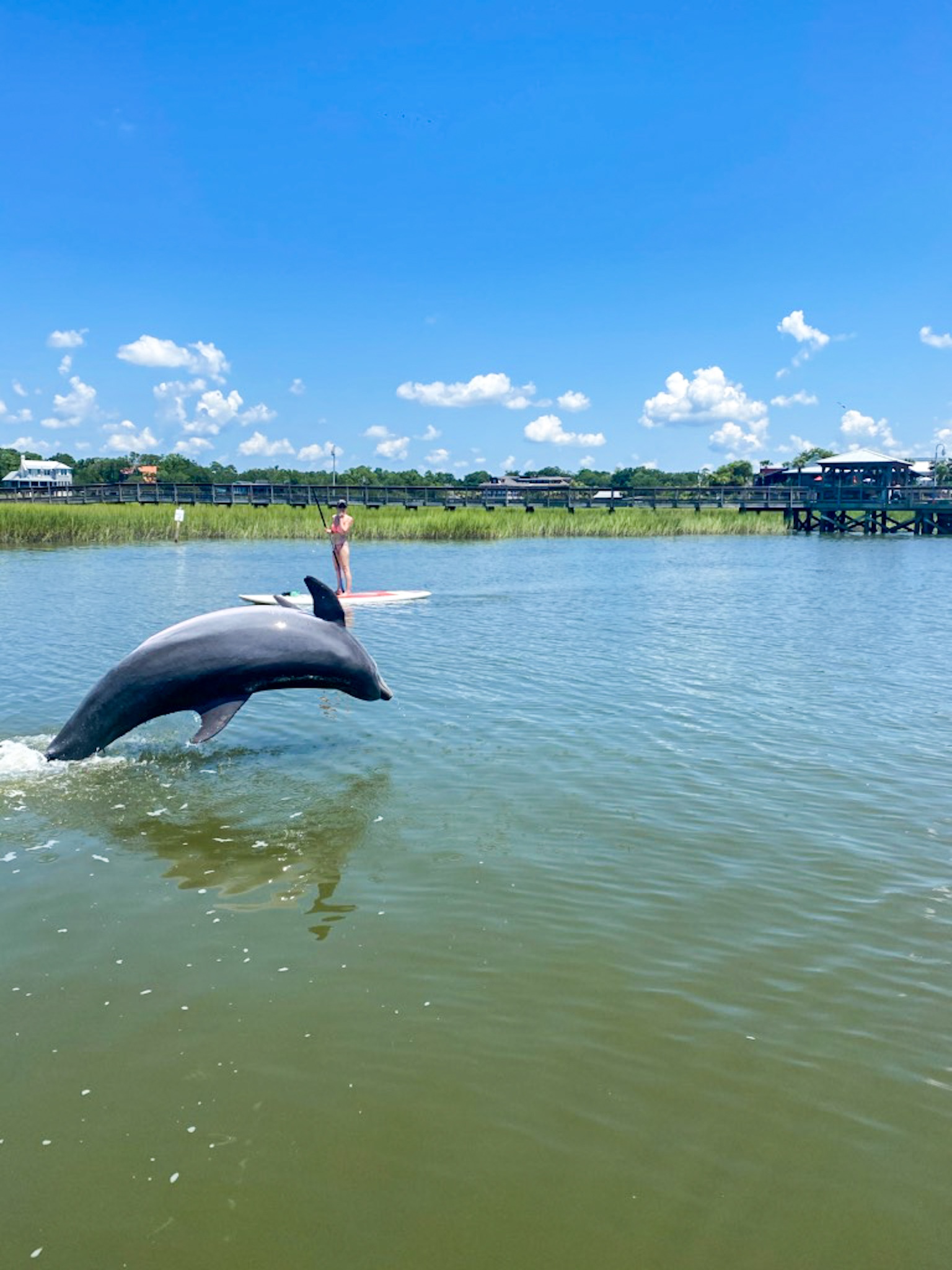
Kayaking Isle of Palms, South Carolina: Tidal Creeks, Barrier Islands & Coastal Paddles
Isle of Palms concentrates a wide spectrum of low-country paddling into a compact, friendly slice of coastline. From glassy backwater creeks that thread through salt marshes to open-water runs along the Atlantic and silent approaches to protected barrier islands, kayaking here is a study in tides, birdlife, and coastal geology. This guide zeroes in on where to paddle, when to time the tide, what craft suit local conditions, and how to combine kayaks with shelling, birding, and beach camping for a fuller coastal adventure.
Top Kayak Trips in Isle of Palms
31 trips • Book with confidence • Instant confirmation
Why Isle of Palms Is a Standout Kayaking Destination
Isle of Palms reads like a shoreline primer for paddlers—where Atlantic surf and tidal marsh meet in close quarters, and the tide writes the map every few hours. The island itself is a narrow ribbon of sand with a protective lagoon and a network of tidal creeks that peel inland into thickets of spartina and palmetto. For kayakers, that translates to an intimate variety of conditions: tranquil, meandering channels that feel more like floating through a watercolor than a coastline; quick, open passages that challenge a steady stroke with wind and chop; and quiet approaches to outlying sandbars and bird-haunted islets that reward patience with close views of herons, egrets, and migratory shorebirds.
What makes paddling here especially rich is the relationship between water and wildlife. The low-country tidal system is a machine of memory—water rises and falls on a predictable schedule, concentrating fish in creeks and exposing feeding flats for birds. Timing your launch to the tide can turn a slog into a glide, or reveal miles of oyster ridges and shell-strewn flats to explore at low tide. Because the island sits near Charleston Harbor, trips can also be routed into more maritime waters for a taste of open-coast navigation—approaching Morris Island Light, skirting the edges of the harbor, or ferrying to Dewees Island’s protected bays for a completely different ecosystem.
Culturally the paddling here sits next to long-standing traditions: commercial shrimping and recreational fishing are part of the seascape, and small-town island life means launches, shuttles, and rental operations are straightforward. The practical upshot is accessibility—many put-ins are minutes from town, and guided trips cover most of the technical planning. Yet the place still feels wild in small slices: remote sand spits, tidal creeks thick with fiddler crabs at low tide, and the hush of marsh grass under a late-afternoon sky. For travelers, Isle of Palms offers paddling that is both approachable for beginners—calm water, short shuttle distances—and endlessly varied for more ambitious outings that incorporate tides, currents, and coastal navigation into a half- or full-day expedition.
The terrain is coastal low-country rather than rocky headlands: expect soft sand beaches, extensive salt marsh, narrow tidal creeks, and occasional oyster beds. Paddling skill matters most in wind and tide; sheltered channels reward relaxed exploration while exposed runs require forward momentum and attention to conditions.
Complementary activities pair naturally with kayaking: stand-up paddleboarding on calm lagoon water, guided birding tours that follow the same creeks, fishing from a sit-on-top kayak, and beachcombing or sunset walks on barrier islands reached by short paddles.
Best Time to Visit
Best Months
Weather Notes
Spring and fall offer the most comfortable paddling temperatures and lighter storm activity. Summer is warm and humid with frequent afternoon thunderstorms and stronger onshore winds; winter is mild but can bring brisk northerlies and cooler water temperatures. Always check the local marine forecast and tide times before launching.
Peak Season
Late spring and early fall see the highest number of guided trips and weekend rentals, particularly holiday weekends and warm stretches.
Off-Season Opportunities
Winter months provide solitude and sharp light for photography; mid-week shoulder seasons often have calmer winds and quieter put-ins. Cold-water precautions are advised.
Frequently Asked Questions
Do I need a permit to kayak from Isle of Palms beaches?
Most public launches and beaches do not require a special kayaking permit, but local rules vary for parking and overnight use on nearby barrier islands. Check municipal beach access rules and private property restrictions before leaving vehicles or planning island camping.
When is the best time of day to paddle?
Early morning and late afternoon typically offer lighter winds and calmer water, plus the best wildlife viewing. Plan around the tide—many creeks are easiest to explore on a rising tide, while low tide exposes flats and oyster beds for beach walks.
Are guided tours recommended for first-timers?
Yes. Local outfitters provide equipment, tide-aware routes, and safety briefings that make estuary paddling accessible. Guided trips are especially helpful for navigation in Charleston Harbor approaches or for learning surf-entry techniques.
Choose Your Experience Level
Beginner
Calm lagoon paddles, short estuary loops with sheltered water and minimal tidal current. Good for families and first-time kayakers.
- Intracoastal Waterway around Isle of Palms Marina (sheltered stretches)
- Lagoon and residential canal tour
- Short beach-access paddle to a sandbar
Intermediate
Longer routes requiring tide planning, brief open-water crossings, and competency in basic boat control with some wind.
- Tide-timed paddle to Morris Island shoreline
- Round-trip to Dewees Island bays
- Coastal crossing to Sullivan's Island and back
Advanced
Extended coastal runs, multi-mile crossings in exposed Atlantic, paddling against current, or navigating Charleston Harbor traffic under varied wind and tide conditions.
- Full-day navigator route around Charleston Harbor approaches
- Crossing to remote sand spits with overnight beach camping
- Tidal-run expeditions timed to maximize current assistance
Insider Tips & Local Knowledge
Check tides, wind forecasts, and local launch rules; bring layers and signal gear. When in doubt, go guided.
Time the tide to the experience you want: rising tides ease upstream exploration and hide oyster bars, while low tides expose flats for beachcombing but can strand inexperienced paddlers on soft mud. Morning launches typically avoid the onshore sea breeze that builds through the afternoon. Use reef-safe sunscreen and respect sensitive marsh and nesting areas—many birds nest on small islands in spring. If paddling to barrier islands, carry a short shore kit (towel, water, trash bag) and practice Leave No Trace—pack out everything you bring. For open-water crossings, choose a stable sea kayak or sit-on-top with adequate buoyancy, wear a PFD at all times, and file a float plan with someone on shore. Parking at public ramps can fill on summer weekends; consider weekday launches or shuttle arrangements with outfitters. Finally, be mindful of local boat traffic in the Intracoastal and Charleston Harbor—stay visible and avoid high-traffic channels during peak hours.
What to Bring
Essential
- Personal flotation device (PFD) — required and must fit
- Waterproof day hatch or dry bag for phone/keys
- Sun protection: hat, polarized sunglasses, reef-safe sunscreen
- Hydration and salty snacks
- Appropriate footwear for launching over oyster and shell beds
Recommended
- Light spray top or windbreaker for breezy crossings
- Tide chart or tide-enabled app and a simple route plan
- Whistle and small signaling mirror
- Waterproof phone case and spare battery
- Hat clip or retention for sunglasses
Optional
- Binoculars for birding
- Collapsible beach chair or small towel for island stops
- Fishing license and light tackle if planning to fish
- Short-handled paddle leash for surf launches
Ready for Your Kayak Adventure?
Browse 31 verified trips in Isle of Palms with instant booking
Explore Top 15 Isle of Palms, South Carolina Adventures →