2

Top 25 Eco Tours on Isle of Palms, South Carolina

Isle of Palms, South Carolina

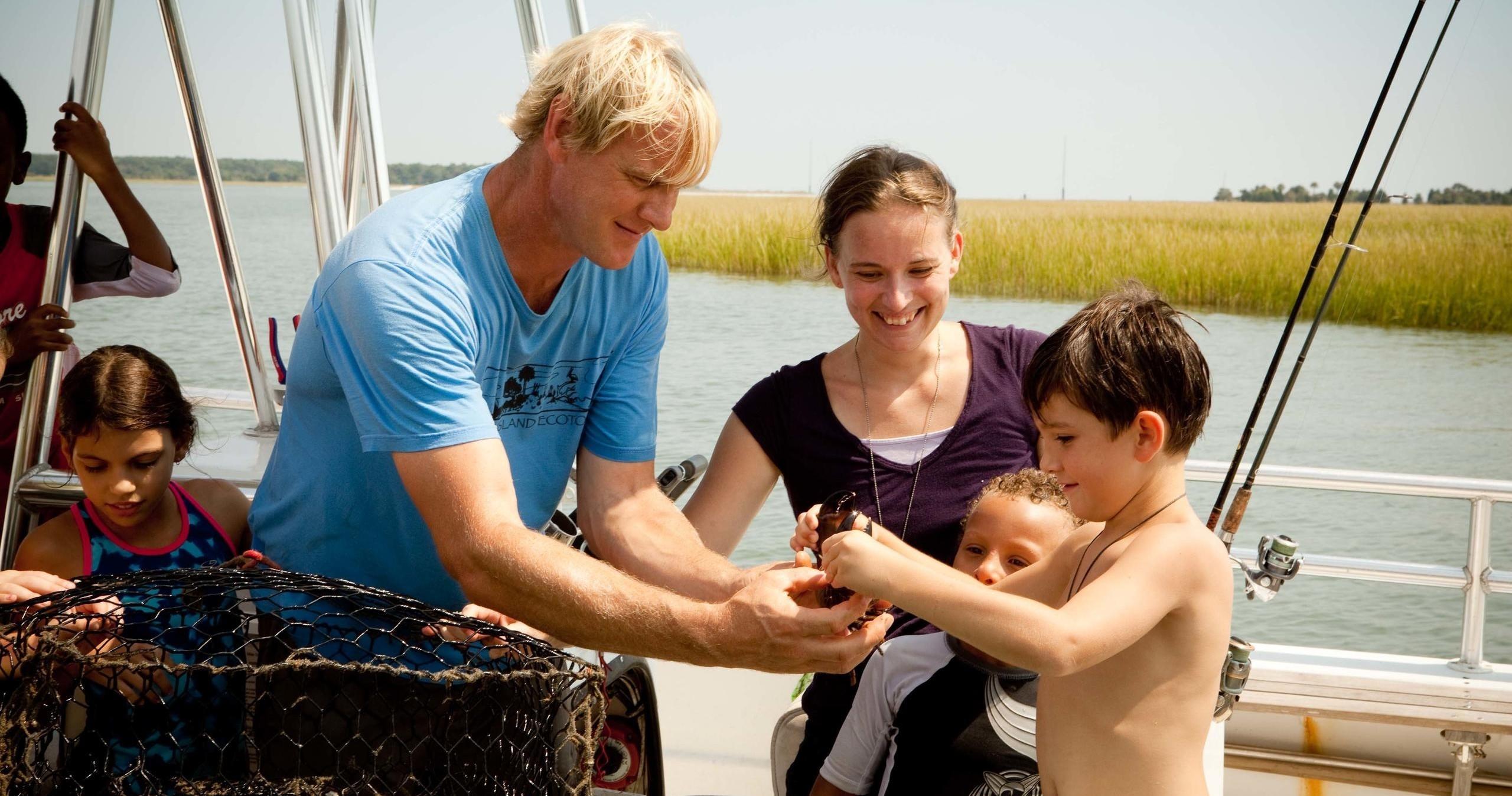
Isle of Palms packs a concentrated textbook of coastal ecosystems into a few miles of sand and marsh. Eco tours here emphasize salt-marsh creeks, maritime forests, estuarine birdlife, and the human stories braided into the coast—Gullah history, shrimping traditions, and modern conservation efforts. From sunrise kayak trips through braided marsh channels to guided dune-and-driftwood walks and boat excursions into Charleston Harbor, these tours reveal the island’s rhythms: tides that redraw the shoreline, migratory flocks that pulse through spring and fall, and the quiet work of restorationists protecting nests and wetlands.

25
Activities
Primarily spring–fall
Best Months

Top Eco Tour Trips in Isle of Palms

25 trips • Book with confidence • Instant confirmation

Why Isle of Palms Is a Standout Eco Tour Destination

On Isle of Palms the landscape reads like an ecological primer written in sand and salt. In a handful of hours you can move from wide, wrinkled surf line to shoals and then into a lattice of tidal creeks that feed the salt marshes—each zone with its own cast of birds, fish, and invertebrates. Eco tours here take advantage of that close proximity: a morning paddle follows a winding creek and drops you into a salt-marsh meadow flushed with herons and egrets; an afternoon boat trip threads Charleston Harbor to watch dolphins forage by the channel; a sunset walk along the dune crest explains the life of foreshores and the fragile grasses that hold the island together.

This compactness makes the island ideal for learning. Guides are often naturalists or biologists who layer the trip with stories: how oyster reefs buffer storms, why marsh grasses are carbon sinks, how the sea turtle nest monitoring program tracks hatching success, and the cultural history of Lowcountry maritime communities. You can hear about the Gullah-Geechee influence on local fishing traditions, and then see the physical evidence of centuries of human interaction in the form of wooden piers and old shell middens. The tours balance wonder with context—how rising seas, shifting tourism patterns, and urban runoff change the living coastline and what local groups are doing to help.

Seasonally the island is a classroom in motion. Spring and fall migrations intensify shorebird and songbird presence; summer brings sea turtle nesting on quieter beaches and the highest in-water productivity as shrimp and baitfish pulse through the estuary; winter pares things back, offering clear light and an opportunity to spot overwintering ducks and raptors. Weather is an environmental teacher too: tides rearrange the same beach from hour to hour, and a sudden coastal squall can change the tenor of a tour in fifteen minutes. For travelers who want an accessible introduction to coastal ecology—or a deeper framing that connects recreation to conservation—Isle of Palms’ eco tours deliver both immediate beauty and a clear sense of the ecological processes at work.

Compact access: Because dune, marsh, and harbor habitats are close together, a single afternoon can include kayaking, birding, and a short beach ecology walk—perfect for travelers who want maximum education in minimal time.

Conservation-focused: Many operators partner with local nonprofits and research programs, offering chances to participate in citizen science, sea turtle monitoring, or invasive species removal alongside interpretive storytelling.

Activity focus: Guided salt-marsh, harbor, and dune ecology experiences
Total matching eco tours: 25 (guided paddles, boat cruises, walking tours, volunteer programs)
Wildlife highlights: shorebirds, migrating songbirds, dolphins, sea turtle nesting (summer)
Accessibility: Many boat and walking tours are family-friendly; kayaks and SUPs require basic mobility
Conservation context: Tours often support local monitoring and restoration efforts

Best Time to Visit

Best Months

MarchAprilMaySeptemberOctoberNovember

Weather Notes

Spring and fall offer the most comfortable temperatures for paddling and birding; summers are hot and humid with frequent afternoon storms but are prime for sea turtle nesting and warm-water wildlife; winters are mild but cooler and quieter.

Peak Season

Late spring and early fall for migratory birds and pleasant water temperatures.

Off-Season Opportunities

Winter months bring lower visitor numbers, easier access to guided walks, and good shorebird viewing; summer offers volunteer opportunities around sea turtle monitoring and hatchling season (note that some conservation activities have restricted access).

Frequently Asked Questions

Do eco tours require experience or fitness?

Not usually. Many tours are accessible to beginners—boardwalk walks and boat cruises need minimal fitness. Kayak and SUP trips require basic paddling ability and reasonable mobility. Operators will list difficulty and age limits.

Are tours family-friendly?

Yes. Several operators run family-oriented paddles and stroller-friendly beach walks. For small children, boat tours or short guided beach sessions are the most comfortable options.

Will I see wildlife on every trip?

Wildlife sightings are common but never guaranteed. Guides maximize sightings by timing trips with tides and migration; dolphins, wading birds, and marsh life are frequent, while sea turtle nesting is seasonal and subject to conservation protocols.

Choose Your Experience Level

Beginner

Short, guided boardwalk or beach ecology walks and gentle boat cruises suitable for all ages.

  • Dune crest nature walk
  • Harbor interpretive boat ride
  • Half-hour tidal creek sighting tour

Intermediate

Half-day paddles through tidal creeks and marsh channels; basic paddle skills recommended.

  • Morning kayak through salt marsh
  • Stand-up paddleboard eco tour
  • Guided birding and low-tide mudflat exploration

Advanced

Longer, skill-focused outings or multi-day conservation experiences that may include volunteer work, navigation in open water, or extended paddling.

  • Full-day estuary expedition into Charleston Harbor
  • Volunteer shoreline restoration or citizen-science program
  • Open-water paddling between barrier islands with experienced guides

Insider Tips & Local Knowledge

Confirm tide schedules and weather; many eco tours are planned around tidal windows. Respect closed nesting zones and habitat restoration areas.

Book morning tours for calmer water and active birdlife; late afternoon and sunset trips showcase golden light and often steady dolphin activity. Bring cash or card for local conservation donations—many operators collect small contributions for nest protection or marsh restoration. If you plan to paddle, ask operators about footwear that can handle muddy creeks and expect to get wet. Be mindful of shorebird nesting flags and posted closures: giving nests extra space is the best way to help future hatchlings. Finally, consider pairing an eco tour with complementary activities nearby—rent a bicycle to explore inland maritime forests, join a historical walking tour of nearby Charleston for cultural context, or sign up for a shellfish restoration volunteer day to connect directly with conservation work.

What to Bring

Essential

  • Sun protection (hat, sunscreen, UV shirt)
  • Reusable water bottle (1–2 liters for day tours)
  • Light waterproof layer or windbreaker
  • Quick-dry clothing and sandals or water shoes
  • Insect repellent (especially spring–fall marsh trips)

Recommended

  • Binoculars for birding
  • Waterproof phone case or dry bag
  • Light daypack with snacks
  • Small first-aid kit and blister care
  • Camera with zoom lens for shorebirds and dolphins

Optional

  • Trekking sandals or lightweight shoes for mud flats
  • Foldable stool or sit pad for longer beach/nature talks
  • Field guide or bird ID app

Ready for Your Eco Tour Adventure?

Browse 25 verified trips in Isle of Palms with instant booking

Explore Top 15 Isle of Palms, South Carolina Adventures →