Top Dolphin Experiences in Islamorada, Florida
Islamorada lives where shallow turquoise flats meet deep reef channels, and in that seam dolphins thrive. This guide focuses on dolphin-centered experiences—wildwatch boat trips, ethical swim encounters at accredited facilities, kayak and paddleboard tours that quietly slip into feeding grounds, and the conservation-minded context that should frame every visit.
Top Dolphin Trips in Islamorada
11 trips • Book with confidence • Instant confirmation
Why Islamorada Is a Standout Dolphin Destination
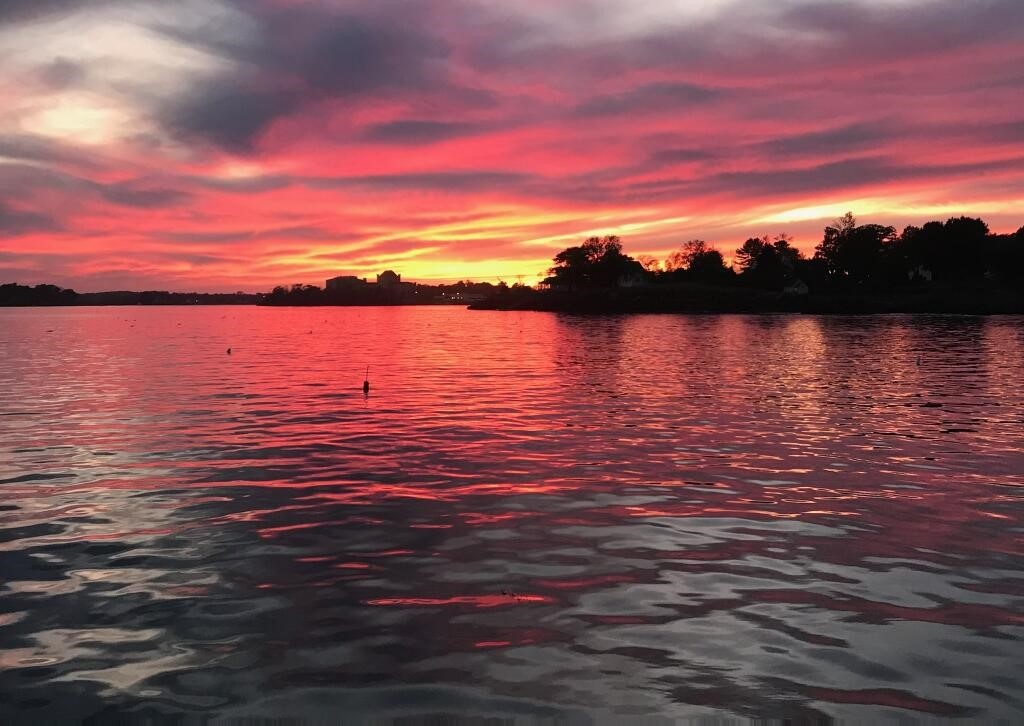
On calm mornings in Islamorada, the water reads like glass and the horizon is a thin, careful line. From the bow of a small skiff you can see the swell change color where the Gulf Stream threads by offshore reefs and the shallow backcountry runs cool and green. Bottlenose dolphins—both curious juveniles and seasoned adults—use this patchwork of habitat as hunting grounds, nurseries, and travel corridors. That there is such a concentration of accessible, boatable water within sight of bridges and marinas means that an encounter with a dolphin is not an abstract promise: it’s a practical itinerary item.
But this place is not just about close encounters for the checklist. Islamorada offers a layered way to experience dolphins: the theater of a sanctioned marine park where educational, regulated interactions happen; the quieter, smaller-group eco-kayak where you listen for clicking and watch dorsal fins cut shadows; and the offshore eco-charter that follows feeding lines, birds, and the water’s subtle textures to find pods. The keys’ shallow basins and patch reefs create predictable feeding behavior—making responsibly run trips fruitful for sighting and for learning. At the same time, the local culture ties closely to Florida’s fisheries, scientific research, and a growing conservation ethic: operators emphasize reef-safe sunscreen, low-wake approaches, and respect for mothers and calves. There’s an education curve for visitors: what looks like play can be essential feeding or social behavior; what feels like invitation can be stress for a wild animal. Islamorada’s best operators and its small but influential marine facility provide structured pathways to witness and sometimes gently interact without compromising dolphin well-being.
Practically speaking, Islamorada is conversationally flexible. Families find gentle, interpretive dolphin-watching tours and shallow-water snorkeling; photographers and naturalists time trips for low sun and calmer seas; anglers pair a half-day charter with a morning dolphin-watch that often booksend their trip. The simple arithmetic of planning here is comfort plus timing: dawn and late afternoon give better light and calmer surface conditions, while midwinter and spring often bring steadier offshore conditions for reef-to-deep-water excursions. Wherever you choose to go—kayak, skiff, or sanctioned swim program—the throughline is the same: prioritize operators who work with local biologists, follow NOAA and Florida Fish and Wildlife guidance, and build encounters that leave dolphins precisely where you found them—wild and unharried.
The diversity of settings—backcountry flats, channels, and offshore reef—means you can tailor an experience by comfort and interest, from a quiet paddle to an educational marine-park program.
Islamorada’s longstanding fishing and boating culture has created a knowledgeable guide community; many captains read bird lines, baitfish behavior, and current seams to locate dolphins without disturbing them.
Conservation and regulation shape modern dolphin experiences: ethical operators follow approach-distance recommendations, avoid mother-calf groups, and integrate interpretation into trips.
Best Time to Visit
Best Months
Weather Notes
Winter and spring often bring calmer seas and clearer conditions for offshore reef trips; summer brings heat, humidity, and a higher chance of afternoon thunderstorms. Wind direction matters more than month—east winds can make backcountry flat trips glassy; strong onshore winds roughen inshore waters.
Peak Season
Winter holidays and spring break bring the most visitors; book early for morning dolphin tours and limited kayak slots.
Off-Season Opportunities
Summer weekdays can offer lower prices and quieter marinas, but plan trips for early morning to avoid heat and thunderstorms.
Frequently Asked Questions
Do I need permits to observe or interact with dolphins?
No personal permit is required to go on a dolphin-watching trip, but deliberate interactions with wild dolphins are regulated. Accredited facilities that offer controlled swim programs operate under permits and strict guidelines. Always choose licensed operators who follow NOAA and Florida Fish and Wildlife guidance to avoid harassment.
Can I swim with wild dolphins in Islamorada?
Swimming with wild dolphins is discouraged and can be illegal if it harasses the animals. If you want an in-water experience, book with an accredited marine facility that runs regulated, educational programs; they provide trained staff, controlled conditions, and safeguards for animals and guests.
How likely am I to see dolphins on a tour?
Dolphin sightings are common but not guaranteed. Experienced captains increase odds by targeting known travel corridors and feeding areas and by reading marine cues, but wildlife is unpredictable. Morning trips in calm seas typically offer the best combination of comfort and sighting potential.
Choose Your Experience Level
Beginner
Low-impact, family-friendly options that prioritize comfort and education: short boat rides, harbor dolphin-watching tours, and marina-based interpretive programs.
- 45–90 minute dolphin-watching skiff tour
- Interpretive dockside program at a marine park
- Gentle guided paddle in shallow flats with dolphin sightings
Intermediate
Active, half-day outings for people comfortable on small boats or kayaks: eco-kayak wildlife tours, half-day reef-edge charters, and combined snorkeling/dolphin-watch trips.
- Morning kayak eco-tour in backcountry channels
- Half-day boat charter combining reef snorkeling and dolphin watching
- Small-group photography-focused dolphin watch
Advanced
Multi-activity days requiring stamina and sea confidence: offshore reef runs, long paddles in open water, or private charters tailored to behavior-focused observation and research support.
- Full-day offshore charter seeking pelagic and reef-associated pods
- Extended photography charter with professional guides
- Research-participant trips with local scientists (when available)
Insider Tips & Local Knowledge
Prioritize operators who articulate clear animal welfare policies and who follow federal and state guidelines; small-group, morning departures are often the quietest and most productive.
Book morning slots for calmer seas and better light; late afternoon can also be excellent but watch for sea breeze buildup. Ask your operator about mother-calf avoidance policies and how they approach pods—good guides will work around animals rather than through them. Use reef-safe sunscreen and avoid bringing single-use plastics aboard. If you’re photographing, keep lenses zoomed rather than attempting to chase animals visually; slow, consistent boat movement and patience yield the best portraits. Finally, pair a dolphin outing with a backcountry lunch or a short snorkel on the reef to round out the day—Islamorada’s marine experience is richest when you layer quiet observation with hands-on coastal exploration.
What to Bring
Essential
- Reef-safe sunscreen and a hat
- Light waterproof layer for wind and spray
- Motion-sickness medicine if you’re prone
- Reusable water bottle and sun protection
- Waterproof bag for phones and electronics
Recommended
- Polarized sunglasses for spotting dorsal fins
- Light binoculars for distant pods
- Quick-dry clothing and water shoes
- Small camera with zoom or tele lens
Optional
- Compact underwater camera or snorkel mask
- Notebook for field notes
- Foldable micro-towel and extra dry clothes
Ready for Your Dolphin Adventure?
Browse 11 verified trips in Islamorada with instant booking
Explore Top 15 Islamorada, Florida Adventures →