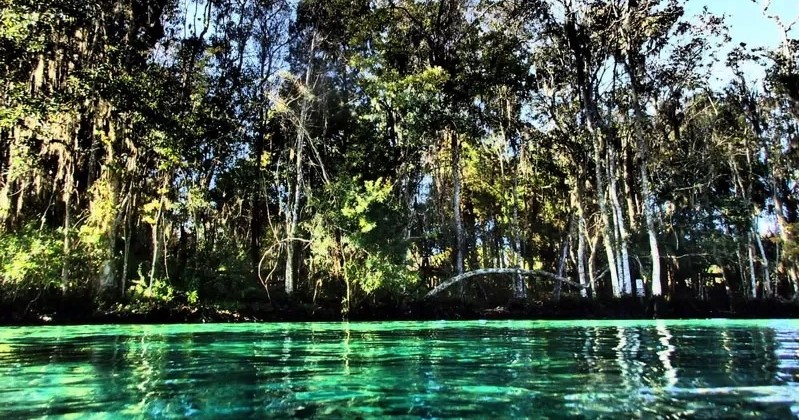
Top 10 Scuba Adventures in Inverness, Florida
Inverness offers a quieter, freshwater-forward scuba profile that complements nearby Gulf and spring diving around Crystal River. Divers come for clear springs, labyrinthine lake shorelines, and easy access to guided charters that link inland springs with coastal marine encounters. This guide focuses on what to expect when you plan scuba specifically around Inverness—seasonality, terrain, training considerations, and complementary adventures that round out a diving trip to Florida's inland waterways.
Top Scuba Trips in Inverness
10 trips • Book with confidence • Instant confirmation
Why Inverness Is Notable for Scuba
Inverness sits at the edge of a quieter version of Florida diving—less about deep blue ocean walls and more about the intimacy of springs, clear freshwater basins, and a coastline reachable with a short drive. The area’s identity for divers is shaped by contrasts: inland glassy lakes with spring-fed clarity, and a Gulf of Mexico only a short run away that introduces saltwater species and different diving profiles. For scuba travelers who relish exploration over spectacle, Inverness is rewarding because it demands curiosity. Beneath the placid surfaces of the Tsala Apopka Chain of Lakes are root systems, submerged ledges, and seasonal concentrations of wildlife; nearby springs act like clear windows into Florida’s aquifer and provide training-friendly conditions for specialty dives.
Part of Inverness’s appeal is its accessibility. Many dive opportunities begin with short boat rides or simple shore entries, and local operators craft half-day or full-day outings that pair inland springs with coastal or estuary stops. That practical layout makes the region attractive to small groups, families with mixed-skill divers, and instructors running certification courses. Scuba here often intersects with other outdoor pursuits—kayaking the lake fringe before a shore dive, snorkeling shallow springs on a recovery float, or boarding a charter at dawn for a half-day that promises manatee viewing and a chance to switch between fresh and brackish systems. The result is a layered trip where each dive feels like a chapter in a broader exploration of Florida’s water systems.
Environmental context is central to any responsible dive in Inverness. The springs and lakes are part of a living hydrological system that supports manatees, migratory birds, and a host of freshwater fish. Local stewards and guides emphasize minimal-impact diving: avoiding stirring fine sediments, using reef-safe sunscreens, and giving space to wildlife. That conservation-minded culture is not merely policy; it shapes the dive experience. Visibility, current, and wildlife encounters vary by season and recent rainfall, and a good guide will translate those variables into a satisfying itinerary rather than an uncertain gamble. For travelers, that means the best dives are often the best-planned ones—carefully timed around weather, local regulations, and the rhythms of animals like manatees that become the season’s main attraction.
Finally, the region invites multi-day thinking. Use Inverness as a base for mixing freshwater training dives in calm springs with coastal boat trips to the Gulf, or layer on complementary adventures—paddleboarding morning calm, birding marsh edges at golden hour, or exploring small-town Inverness’s food scene after an afternoon in the water. The scuba story here is intimate and local: you don’t come for dramatic drop-offs so much as for clear water, approachable logistics, and a chance to dive places where the line between outdoor recreation and ecological appreciation is delightfully thin.
Inverness’s diving is often paired with adjacent sites—Crystal River and Homosassa to the north bring saltwater options and famous manatee encounters, while inland springs deliver stable training conditions and excellent visibility on calmer days.
Local dive operators emphasize small-group outings and conservation rules. Expect briefings on seasonal wildlife protections and guidance on low-impact buoyancy and navigation in spring-fed systems.
Best Time to Visit
Best Months
Weather Notes
Winters bring cooler air but comfortable diving and increased manatee activity in springs; summers are warm and humid with frequent afternoon storms, and rainfall can reduce visibility in lakes and springs. Always check recent weather and local dive shop reports before planning specific sites.
Peak Season
Winter months for manatee viewing and clear spring access; holiday weekends can see heavier visitation.
Off-Season Opportunities
Summer weekdays often offer solitude and easier bookings—pair dives with early-morning outings to avoid afternoon storms and heat.
Frequently Asked Questions
Do I need a permit to dive local springs?
Permit rules vary by specific spring and management agency. Many popular sites require adherence to access rules or guided entry—confirm with local dive shops or managing agencies before diving.
Is Inverness suitable for beginners?
Yes. Many spring-fed sites and lake shore entries provide calm, controlled environments ideal for training dives and certification checkouts, especially when run by experienced local instructors.
Can I see manatees while scuba diving?
Manatee encounters are seasonally dependent and often regulated. Swimming with or disturbing manatees is restricted; viewing is best done under guidance and with respect for wildlife regulations.
Choose Your Experience Level
Beginner
Calm, shallow spring basins and lake shore entries ideal for basic open-water training and confidence-building dives.
- Shallow spring orientation dive
- Confined-water skills in clear spring basins
- Guided lake-edge navigational dive
Intermediate
Longer shore entries, guided drift-style lake dives, and combination trips that include short boat runs to nearshore estuaries.
- Guided freshwater site with underwater topography navigation
- Combined freshwater-to-brackish day trip
- Underwater photography-focused dives
Advanced
Complex navigation in submerged root systems, multi-site itineraries linking inland springs to coastal sites, or specialty dives such as search-and-recovery practice in low-visibility conditions.
- Extended navigation and search patterns
- Specialty training in spring conditions
- Multi-site charters including Gulf or estuary dives
Insider Tips & Local Knowledge
Work with local dive operators and respect seasonal wildlife regulations; visibility and conditions change with rain and temperature.
Book morning dives to take advantage of calmer wind and less boat traffic. During winter manatee season, expect restricted access at some springs and an emphasis on guided viewing rather than independent interactions. If you're training, ask operators about freshwater-focused courses—many shops tailor programs to the gentle conditions of springs. Pack for surface comfort: a lightweight change of clothes, a warm top for post-dive, and waterproof footwear for shore entries. Finally, layer your itinerary: add a kayak trip, a birding morning, or a visit to nearby coastal springs to diversify your experience and increase the chances of memorable wildlife encounters.
What to Bring
Essential
- C-card (diver certification) and ID
- Mask, snorkel, and fins (or rent locally)
- Exposure protection suited for Florida water (wetsuit or 3mm shorty) or as recommended by operator
- Surface marker buoy (SMB) or safety sausage
- Reef-safe sunscreen and sun protection for surface intervals
Recommended
- Dive computer and depth/pressure gauges
- Spare mask and basic repair kit
- Authorized guide or local dive shop contact information
- Dry bag for personal items and quick-access layers
Optional
- Underwater camera with macro lens for freshwater subjects
- Shorty hood or gloves for extended winter dives
- Snorkel gear for non-diving companions
Ready for Your Scuba Adventure?
Browse 10 verified trips in Inverness with instant booking
Explore Top 15 Inverness, Florida Adventures →