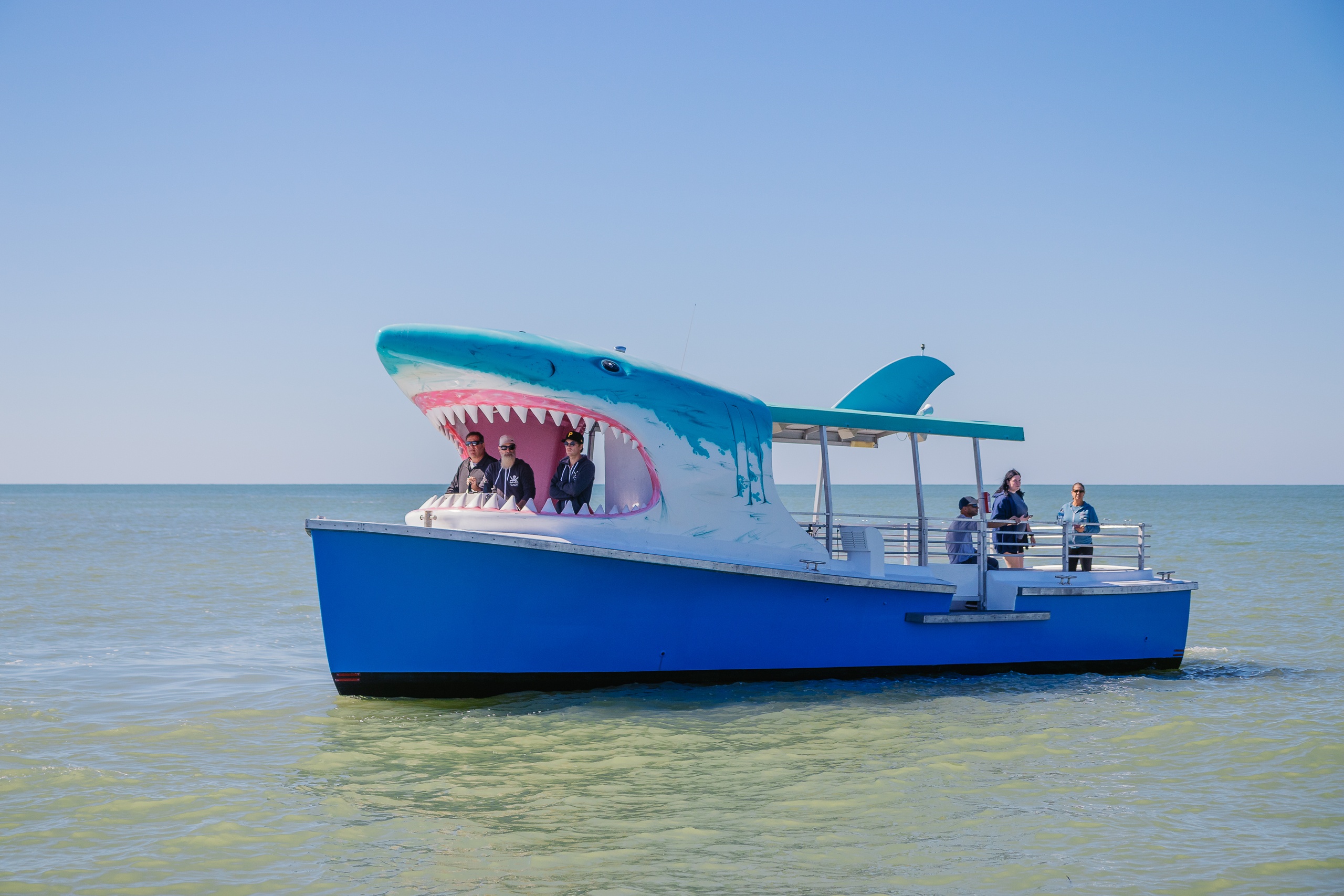
1

Dolphin Watching & Encounters in Indian Shores, Florida

Indian Shores, Florida

Indian Shores sits on a shallow, warm stretch of the Gulf that funnels fish and bait into predictable channels—an irresistible draw for bottlenose dolphins. From quiet dawn cruises to small-group kayak trips and shore-based binocular watches, dolphin experiences here are intimate, accessible, and rooted in the region’s gently sloping sandbars and tidal inlets. This guide focuses on how to find dolphins responsibly, what to expect from different trip formats, and how to plan a viewing that’s memorable, safe, and low-impact.

43
Activities
Year-round (peak activity spring–early fall)
Best Months

Top Dolphin Trips in Indian Shores

43 trips • Book with confidence • Instant confirmation

Why Indian Shores Is a Standout Dolphin-Watching Destination

There’s a rhythm to dolphin watching along the Pinellas coast: an early-morning hush on pale sand, the soft slap of flatswater against hull, and then the sudden, elegant punctuation of a dorsal fin cutting the sea. Indian Shores is not about high-speed thrill chases or distant silhouettes—it's about proximity, predictability, and the marine ecology that concentrates food in narrow passes and nearshore bars. The Gulf here is relatively shallow and clear; tidal exchanges through Clearwater Pass and around barrier islands create lanes where fish concentrate. Dolphins follow the food, and when the conditions align, pods move in close enough to study their behavior with a pair of binoculars from shore or to watch from a low-profile kayak.

Culturally, the gulf-coast communities around Indian Shores have long balanced tourism with small-vessel fishing, and that coastal economy shapes how dolphin encounters happen. Local captains know the animals by sight and by habit: some individuals return to the same feeding areas for years, and experienced naturalists on guided trips can distinguish behaviors—porpoising, spyhopping, cooperative feeding—that tell you whether the group is relaxed, hunting, or moving. Conservation-minded operators emphasize observation over interaction. That matters: dolphins are protected under federal law, and the healthiest operations keep distance, avoid disrupting natural behavior, and educate guests about threats like vessel strikes, discarded fishing gear, and habitat degradation.

Beyond the dolphins themselves, Indian Shores is an accessible entry point to complementary coastal experiences. Launch a kayak to watch dolphins thread the intracoastal channels at low tide, join a sunset cruise that pairs dolphin sighting chances with seabird and manatee viewing, or plan a short beach walk to scan sandbars at low tide. For photographers, golden-hour light and close, consistent dolphin activity create some of the best off-boat shooting opportunities in the region, though telephoto lenses and steady hands are essential. For families and casual travelers, deck-based trips offer a gentle, educational introduction to marine wildlife, while paddlers and small-boat anglers can combine sport and observation—provided they follow responsible viewing practices.

Planning a dolphin outing from Indian Shores is as much about timing and choice of platform as it is about luck. Calm seas and outgoing tides often concentrate prey and raise the odds of close encounters; dawn and late afternoon are the most reliable windows on many days. Choose operators who brief passengers on human-wildlife etiquette and who adhere to NOAA guidelines—those trips tend to prioritize sustained viewing over the quick, disruptive approaches that stress animals. With some preparation—sunscreen, motion-sickness prevention, and an understanding of how to behave around wildlife—visitors leave with stories that feel both easy and profound: a pod that runs along the bow for a minute, a calf slipping through turquoise water, or a single fin that appears and then vanishes like punctuation on an otherwise ordinary morning.

Indian Shores’ shallow Gulf shelf and nearby passes create concentrated feeding lanes—ideal for predictable dolphin sightings without long open-ocean runs.

Local guides tie natural history, conservation context, and maritime knowledge into trips; choose operators who promote non-contact viewing and education.

Complement dolphin outings with kayaking, birding, shelling, or a visit to nearby marine rehabilitation centers to deepen the coastal experience.

Activity focus: Dolphin watching, kayaking, small-boat wildlife tours
Total matching excursions: 43 (various platforms and group sizes)
Most common species: Bottlenose dolphin (Tursiops truncatus)
Typical viewing: Nearshore, in passes, around sandbars and tidal channels
Rules to know: Maintain distance and avoid feeding or chasing wildlife

Best Time to Visit

Best Months

AprilMayJuneJulyAugustSeptember

Weather Notes

Indian Shores has warm, humid conditions much of the year. Spring and early fall offer calm seas and comfortable air temperatures; summer brings high heat, increased thunderstorm probability, and stronger afternoon breezes that can roughen the Gulf. Winter is mild and can still produce strong dolphin activity, but cold-front wind shifts may reduce sighting consistency.

Peak Season

Late spring through summer when reproductive and foraging activity tends to increase and tourism is highest.

Off-Season Opportunities

Winter visits often mean fewer crowds and lower prices; dolphins are present year-round, and winter trips can be especially rewarding on calm, clear days.

Frequently Asked Questions

Do I need a license or permit to watch dolphins from a private boat?

No special wildlife permit is required for casual viewing, but boat operators should follow federal and state guidelines for marine mammal approach distances and safe-boating rules. Commercial tours will hold the appropriate business and vessel certifications.

Are dolphin interactions allowed?

Intentional swimming with or feeding wild dolphins is illegal under the Marine Mammal Protection Act in the U.S. Ethical operators emphasize observation from a respectful distance and will refuse to encourage or facilitate direct contact.

What’s the best platform for dolphin watching—kayak, boat, or shore?

Each has pros and cons: shore and low-profile kayaks can offer intimate, low-impact views in shallow areas; small boats cover more ground and increase sighting odds; larger vessels provide stability and educational commentary. Choose based on comfort, sea conditions, and operator reputation.

Choose Your Experience Level

Beginner

Shore-based spotting, short family-friendly dolphin cruises, and beginner kayak trips on calm days—low exertion and high accessibility.

  • Half-hour binocular watch from Indian Shores Beach at dawn
  • 1–2 hour narrated dolphin-watching cruise with a licensed captain
  • Guided tandem-kayak trip in shallow intracoastal channels

Intermediate

Longer paddle trips, photography-focused excursions, and small-group eco-tours that require basic paddling or motion-sickness management.

  • Morning paddle to nearby sandbars and passes with a naturalist guide
  • Half-day photo charter concentrating on light and behavior
  • Combination birding-and-dolphin small-boat eco-tours

Advanced

Specialty trips for photographers, researchers, or experienced paddlers that may include long paddles, scientific survey participation, or amphibious boat charters requiring skill and stamina.

  • Charter for focused behavioral observation and high-speed access to multiple feeding sites
  • Participatory dolphin surveys or citizen-science outings with researchers
  • Extended kayak expeditions linking barrier islands and tidal inlets

Insider Tips & Local Knowledge

Favor operators who brief guests on responsible viewing and who follow NOAA marine mammal approach guidelines.

Start early: dawn often brings calm seas and active feeding behavior. Watch tidal changes—outgoing tides can concentrate fish and increase dolphin activity around passes and sandbars. Ask guides about known resident individuals or recurring pods, but avoid pressuring an operator for guaranteed close encounters—ethical guides prioritize animal welfare over photo ops. If paddling, launch from established put-ins and keep to channels; avoid beaching on sensitive dunes or seagrass beds. Combine a shorter dolphin trip with shelling along quieter stretches of beach, or visit Clearwater Marine Aquarium to learn about local rescue and rehabilitation work. Finally, leave no trace: discard fishing line and trash properly, and use reef-safe sunscreen to minimize impacts on coastal ecosystems.

What to Bring

Essential

  • Waterproof or water-resistant bag for phone and documents
  • Sunscreen (reef-safe) and broad sun protection (hat, long-sleeve SPF shirt)
  • Binoculars for shore or boat-based spotting
  • Reusable water bottle and light snacks
  • Seasickness medication if you’re prone to motion sickness

Recommended

  • Light camera with a telephoto lens or a long zoom (200–400mm equivalent)
  • Polarizing sunglasses to reduce glare and spot wildlife
  • Quick-dry layers and a light windbreaker for mornings or sea spray
  • Water shoes if you’ll kayak or wade on sandbars
  • Small first-aid kit and any personal medications

Optional

  • Notebook or field journal for behavior notes
  • Portable binocular harness for comfort during extended watching
  • Dry bag for longer paddle trips or shallow-water landings

Ready for Your Dolphin Adventure?

Browse 43 verified trips in Indian Shores with instant booking

Explore Top 15 Indian Shores, Florida Adventures →