Top Sightseeing Tours in Huntingdon Valley, Pennsylvania
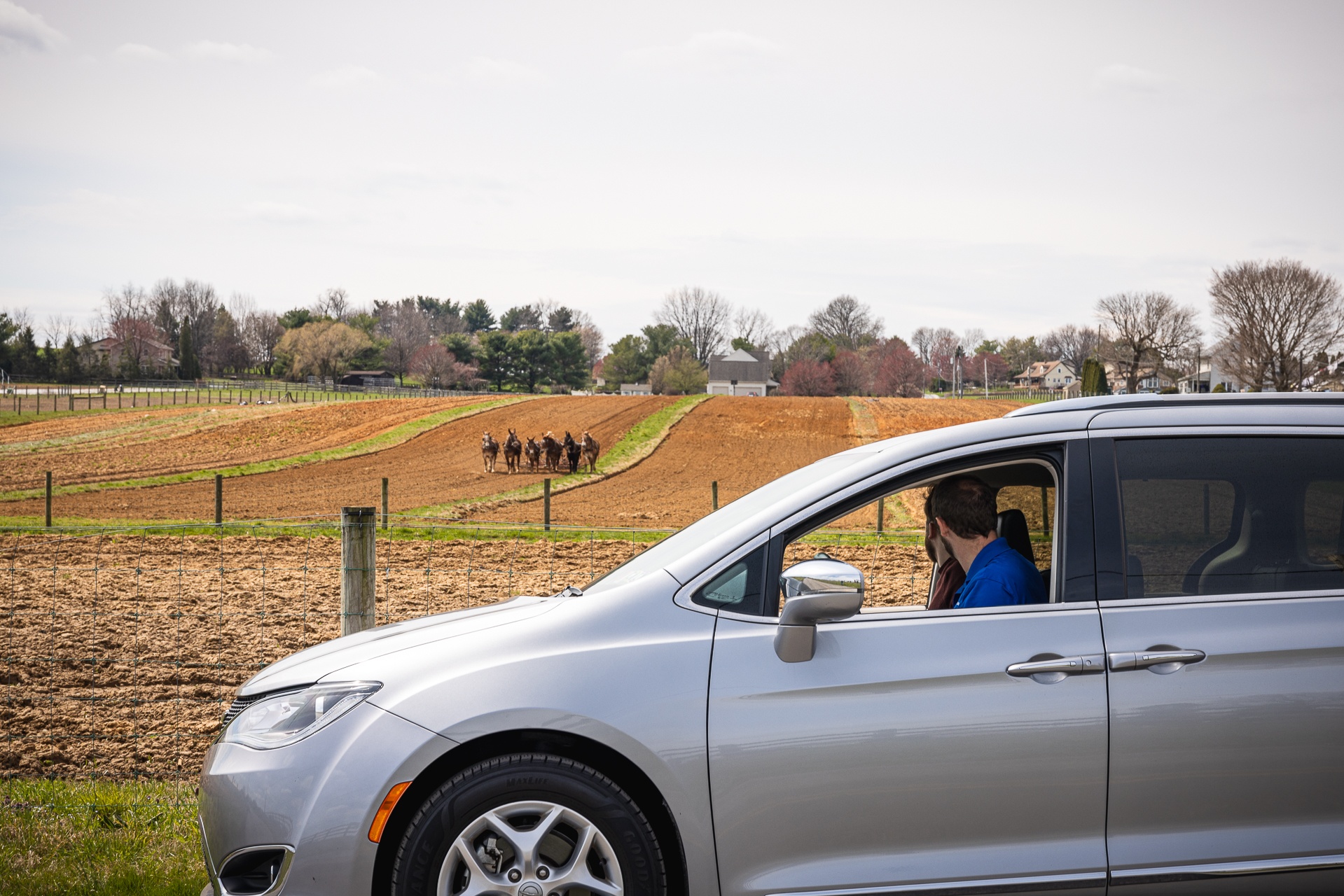
Huntingdon Valley's charm lives in its quiet creek corridors, pocket parks, and the slow cadence of suburban-rural transition. Sightseeing tours here range from easy, interpretive walking loops and heritage drives to guided birding and seasonal farm-stand circuits. Expect low-slung skylines, creekside promenades, and everyday landscapes that reward a slower pace—perfect for photographers, families, and travelers seeking locally scaled experiences outside Philadelphia.
Top Sightseeing Tour Trips in Huntingdon Valley
46 trips • Book with confidence • Instant confirmation
Why Huntingdon Valley Is a Standout for Sightseeing Tours
Huntingdon Valley is a study in small-scale discovery: a place where the landscape is stitched together by Pennypack Creek, neighborhood farms, and unassuming pocket parks that hold decades of local stories. Sightseeing here is less about dramatic vistas and more about close observation—of riparian corridors alive with bird activity, of old mill foundations glimpsed through a stand of maples, of seasonal roadside markets where growers unpack their day’s harvest. The region sits at a crossroads between suburban Philadelphia and gently rolling countryside, which means a sightseeing itinerary can pivot from a short town-center walking loop to a slow, scenic drive that stitches together preserved open space, historic homes, and community landmarks.
What makes Huntingdon Valley particularly well suited to tours—guided or self-guided—is the accessibility. Trails and creekside paths are short enough for casual walkers yet interconnect with larger greenway systems for those who want to stretch a day into a longer ramble. Local stewardship groups and township parks maintain interpretive signage along key corridors, offering context about the natural habitats and historical land uses. For cultural travelers, stops at family-run farm stands, seasonal festivals, and small historic churches reveal the rhythms of local life. For nature-minded visitors, the valley’s mixed woodlands and wetlands are seasonal magnets for warblers in spring and migrating waterfowl in fall.
A successful sightseeing tour in Huntingdon Valley prioritizes texture over spectacle. Mornings are for light, tactile experiences—coffee at a local café followed by a creekside walk when the air is still and birdsong is loud. Midday fits a slow-drive loop that includes photo stops, a picnic at a park, and a short visit to a historic site or community garden. Late afternoons are ideal for golden-hour light along open fields or wooded ridgelines. The pace is unhurried, which is the point: here, details—an ironstone marker, a trimmed hedgerow, or the pattern of a riparian meadow—are what linger.
Practicalities shape the experience: most sightseeing routes require minimal equipment but benefit from weather-aware planning (spring and fall offer the richest colors and wildlife activity). Many tours pair naturally with related activities—birdwatching, cycling on low-traffic country roads, or combining a walking history tour with a stop at a local farm stand. Whether you choose a guided narrative walk or a self-curated scenic drive, Huntingdon Valley rewards curiosity and patience, turning familiar suburban landscapes into a sequence of memorable, locally rooted encounters.
Scale and accessibility are the draw: compact loops and short trail connectors let visitors build half- or full-day sightseeing plans without long drives between stops.
Seasonality reshapes the experience—spring migration, summer wildflowers, and autumn color each offer distinct photo and wildlife opportunities.
Tours pair well with complementary activities: birding, cycling on low-traffic roads, farm-stand tasting, and casual nature photography.
Best Time to Visit
Best Months
Weather Notes
Spring and fall provide comfortable temperatures and high wildlife activity. Summers are warm and occasionally humid with afternoon thunderstorms; winters can be cold and make creekside trails muddy or icy. Check local forecasts for rain and stream conditions.
Peak Season
Late September through mid-October (fall color and harvest-season markets).
Off-Season Opportunities
Winter and early spring offer quieter trails and unobstructed views into woodlands—good for photography and solitary walks, though bring traction aids if ice is present.
Frequently Asked Questions
Do I need permits or reservations for sightseeing tours?
Most self-guided sightseeing routes and park visits do not require permits. Some guided experiences, specialty birding walks, or seasonal events may have reservation requirements—check operator details before you go.
Are tours accessible for people with mobility limitations?
Many town-center walks and park promenades are flat and accessible; however, creekside trails and informal paths can be uneven. Contact tour providers or park managers for route-specific accessibility information.
Can I combine sightseeing with other activities like cycling or birdwatching?
Yes. Short road loops and connected greenways make it easy to pair sightseeing with cycling, birdwatching, or farm visits. Plan for extra time and bring appropriate gear for each activity.
Choose Your Experience Level
Beginner
Short, low-effort walks and easy driving loops with gentle grades and frequent places to stop.
- Town-center walking tour with interpretive plaques
- Creekside promenade and picnic
- Half-day scenic drive with farm-stand stops
Intermediate
Longer self-guided circuits connecting multiple parks and historic sites; some unpaved paths and modest elevation changes.
- Greenway-to-park walking loop with birding stops
- Guided heritage tour combining local history and site visits
- Cycling-friendly sightseeing route on quiet back roads
Advanced
Full-day exploration combining multiple preserves, extended cycling loops, or intensive photography and birding expeditions requiring route planning.
- All-day scenic circuit linking regional preserves and farm stands
- Guided, seasonal birding tour focusing on migration hotspots
- Self-guided exploration of lesser-known trails and roadside habitats
Insider Tips & Local Knowledge
Confirm parking rules, seasonal closures, and guided-tour schedules before you go.
Start sightseeing early to enjoy morning bird activity and to avoid afternoon traffic. Combine a creekside walk with a visit to a nearby farm stand for a low-effort, high-reward half day. Parking is limited at some pocket parks—plan to arrive mid-morning on weekends or choose weekday visits for more solitude. Respect private property and posted signs when exploring less formal trails; many rewarding viewpoints are on preserved parcels and town-managed parks. If you're photographing or birding, bring binoculars and a compact lens—the subtle habitats here reward patient observation. Finally, pair your tour with a broader regional plan: Huntingdon Valley is close enough to make an easy day trip of combined suburban-nature experiences around the northern Philadelphia suburbs.
What to Bring
Essential
- Comfortable walking shoes
- Reusable water bottle
- Light layers and a rain shell
- Smartphone or printed map for self-guided routes
- Sun protection (hat, sunglasses, sunscreen)
Recommended
- Binoculars for birding and creekside wildlife
- A compact camera or smartphone with extra battery
- Small daypack for snacks and purchases from farm stands
- Portable hand sanitizer and basic first-aid items
Optional
- Folding stool or picnic blanket for relaxed stops
- Field guide for regional birds and plants
- Road map if planning longer scenic drives that skirt lesser-traveled roads
Ready for Your Sightseeing Tour Adventure?
Browse 46 verified trips in Huntingdon Valley with instant booking
Explore Top 15 Huntingdon Valley, Pennsylvania Adventures →