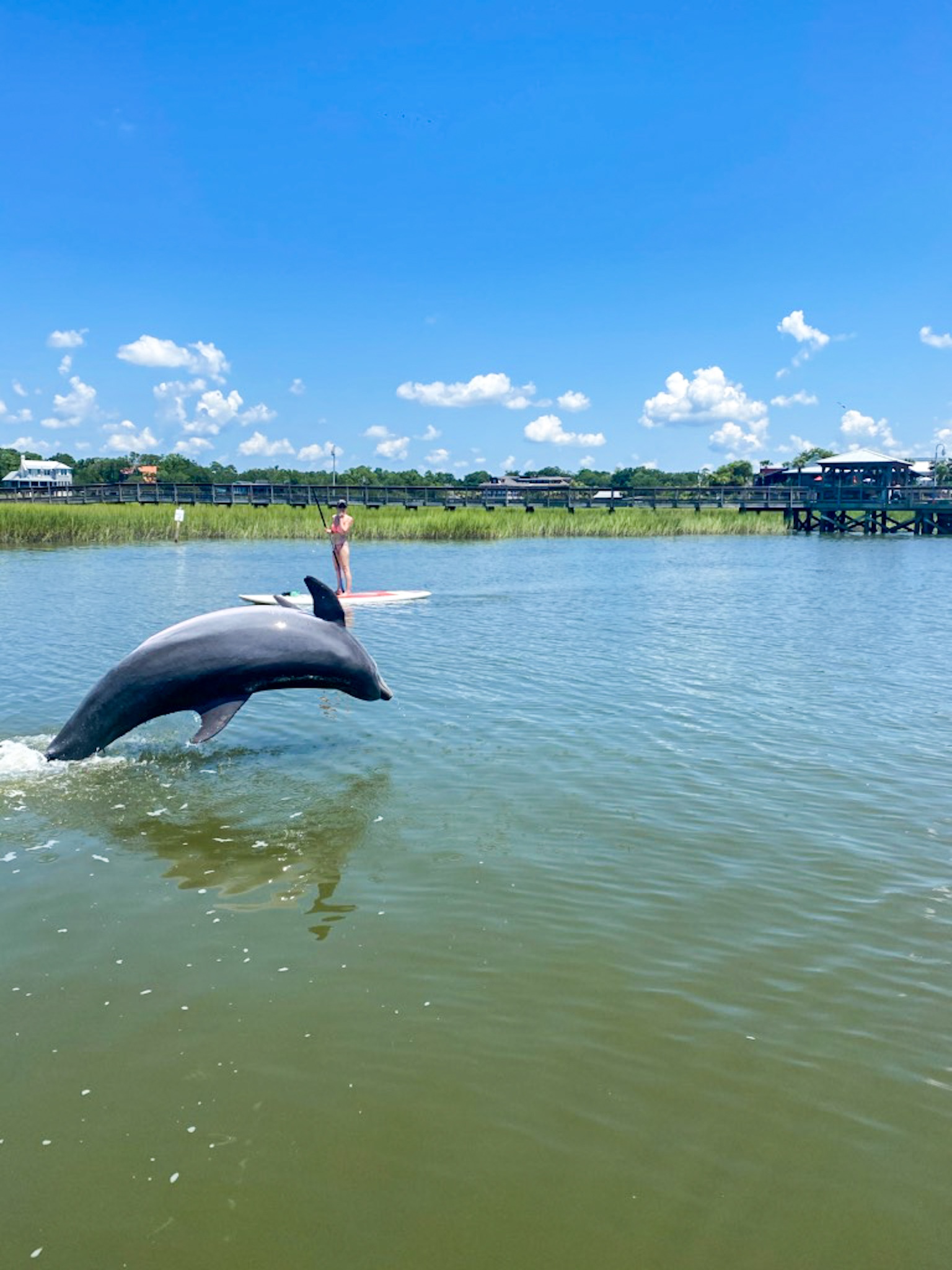
Standout SUP Routes & Paddling in Huger, South Carolina

Huger, South Carolina

Huger is a Lowcountry paddler’s refuge: a weave of blackwater creeks, tidal marshes, and slow rivers that reveal egrets, ospreys, and the patient geometry of old rice fields. Standup paddleboarding here is at once meditative and exploratory—flatwater cruising through cathedral-like cypress stands, technical edged paddles around oyster bars, and calm sunrise runs that feel like discovering a private place in the marsh. This guide focuses on SUP in Huger: routes, seasons, safety, and how to make the most of the Lowcountry’s unique waterways.

12
Activities
Spring–Fall (best April–October)
Best Months

Top SUP Trips in Huger

12 trips • Book with confidence • Instant confirmation

Why Huger Is a Lowcountry SUP Destination

There’s a specific quiet to paddling in Huger that arrives long before you do: the hush of tidal reeds, the slow exhale of a marsh at low tide, the precise arc of a heron folding into flight. For standup paddleboarders, Huger’s appeal is its intimacy. Unlike wide, wind-whipped bays, the creeks and rivers here funnel wind and sound, creating micro-environments where visibility is close and wildlife encounters feel immediate. Stand on the nose of a board at dawn and you’re likely to watch an otter slip under a mat of floating vegetation, or find a rookery of wading birds perched on an unassuming stump. The water is often black with tannins—its dark color a map of the surrounding palmetto and cypress tannin tea—and that contrast makes for dramatic reflections and memorable photography.

Beyond the sensory, Huger’s waterways are steeped in human history. The geometry of some creeks and the faint levee lines still visible in marsh grass recall rice cultivation and the slave-built landscapes of the Lowcountry. Today, paddlers trace routes that blend natural and cultural history: old plantation edges, shell middens, and finger creeks that once served small working communities. A mindful SUP trip here becomes a study in layers—ecology, hydrology, and history overlapping in every low tide. That contextual richness pairs neatly with practical advantages. Most paddling routes are flatwater and sheltered, making Huger an excellent place for beginners to gain confidence while still offering technical challenges for experienced paddlers: navigating tidal currents, threading narrow creek mouths at changing tides, and choosing launch points that minimize hauling across marsh grass.

The environmental sensitivity of the Lowcountry matters. Paddle routes should avoid nesting colonies during breeding season, and paddlers must respect private property lines that run alongside many creeks. Tidal knowledge is essential: some put-ins are boat ramps at high tide and slog-through mud at low tide. Weather matters less because Huger is sheltered, but tides and occasional summer thunderstorms will define your day. Complementary activities—birdwatching, fly-fishing from the board, short hikes into Francis Marion National Forest, or guided kayak tours—turn a SUP outing into a layered Lowcountry weekend. Whether your trip is a morning reconnaissance to explore tidal creeks or a multi-hour loop timed to a rising tide, Huger rewards paddlers who come with patience, curiosity, and a small toolkit of local knowledge.

The sheltered nature of Huger’s creeks makes it a forgiving learning environment for new SUP paddlers, but tidal currents and narrow channels provide enough nuance for seasoned paddlers looking for technical finesse.

Wildlife visibility is high: wading birds, kingfishers, river otters, and occasional bald eagles are common sights. Photography and birding are natural companions to a SUP outing here.

Be mindful of cultural and private landscapes. Many shorelines are adjacent to private property or sensitive habitats; stick to public launch points and follow Leave No Trace principles.

Activity focus: Standup Paddleboarding (SUP) on tidal creeks and slow rivers
Best boat types: Flatwater SUP boards—wide, stable shapes work best
Number of mapped SUP-oriented routes nearby: 12
Wildlife: egrets, herons, ospreys, river otters, and diverse marsh birds
Key consideration: tides and mudflats influence access and route choice

Best Time to Visit

Best Months

AprilMayJuneSeptemberOctober

Weather Notes

Spring and fall offer the most comfortable paddling temperatures and lower insect pressure. Summer brings heat and afternoon thunderstorms; winter is mild but can be chilly on the water. Tidal range and timing are the operational drivers—plan launches around favorable tides to avoid long mudflat carries.

Peak Season

Summer weekends (June–August) are the busiest; spring holiday weekends can also see higher use.

Off-Season Opportunities

Late fall and winter weekdays provide solitude and dramatic low-angle light for photography; fewer mosquitoes mid-winter make shoreline breaks more pleasant.

Frequently Asked Questions

Do I need a permit to paddle in Huger?

Most public creeks and river launches do not require a permit for day paddling. Private launches and some managed properties may have restrictions—confirm with the landowner or managing agency before using private ramps.

Are rentals and lessons available nearby?

Local outfitters in the greater Charleston area offer SUP rentals, guided eco-tours, and lessons; availability in Huger itself may be limited. Calling ahead or booking a guide is recommended, especially for novice paddlers or tide-sensitive routes.

How important are tides for SUP routes here?

Very important. Tides determine launch accessibility, depth through creek mouths, and the strength of currents in narrow channels. Always check tide charts and plan your route with a comfortable margin for changes.

Choose Your Experience Level

Beginner

Flatwater paddles on wide creeks and slow river sections with minimal current. Ideal for building balance and basic stroke technique.

  • Short sunrise paddle on a sheltered creek
  • Intro SUP lesson and guided nature tour
  • Half-hour wildlife-focused paddle near a public boat ramp

Intermediate

Longer loops timed to the tide with narrow channel navigation, light current management, and increased distance. Mix of sheltered marsh and open river stretches.

  • Tide-assisted loop combining two creeks and an estuary crossing
  • Paddle-and-hike combination into Francis Marion forest trails
  • Photography-focused mid-length paddle during golden hour

Advanced

Long-distance navigational paddles that require tide planning, current reading, route-finding through oyster bars, and self-rescue skills; may include multi-hour outings.

  • Full-day coastal creek-to-river traverse timed to flood and ebb
  • Night or low-light navigation with proper lighting and safety kit
  • Multi-stop paddling trips coordinating car shuttles and tide windows

Insider Tips & Local Knowledge

Respect tidal timing, private shorelines, and sensitive wildlife areas. When in doubt, ask a local outfitter or land manager.

Launchs vary by tide—arrive early to scope the put-in, and be prepared to carry across a short muddy bar at low water. Use a long-season insect repellent in spring and summer and consider a lightweight long-sleeve for mid-day sun. If you want solitude, aim for weekday mornings or shoulder seasons; weekends concentrate local boat traffic at public ramps. For photography, low tide reveals oyster bars and mud patterns that contrast with the reflective blackwater at high tide—plan shots accordingly. Finally, pair a SUP day with a short hike or a visit to nearby Francis Marion National Forest for a fuller Lowcountry weekend: the forest’s shaded trails are a cool contrast to the open marsh and a welcome spot to stretch after a long paddle.

What to Bring

Essential

  • PFD (coast guard-approved) — required when on the water
  • Leash appropriate for low-current flatwater
  • Waterproof dry bag for phone, keys, and safety gear
  • Sun protection: hat, sunglasses with retainer, reef-safe sunscreen
  • Tide chart or app and an awareness of local tide times

Recommended

  • Light waterproof jacket for sudden showers
  • Water shoes or neoprene booties for muddy launches
  • Pump and repair kit if using an inflatable board
  • Whistle or signaling device
  • Battery pack for phone/camera

Optional

  • Compact binoculars for birding
  • Small first-aid kit
  • Camera with polarized filter for low-angle light
  • Fishing gear for fly-fishing or light tackle from the board

Ready for Your SUP Adventure?

Browse 12 verified trips in Huger with instant booking

Explore Top 15 Huger, South Carolina Adventures →