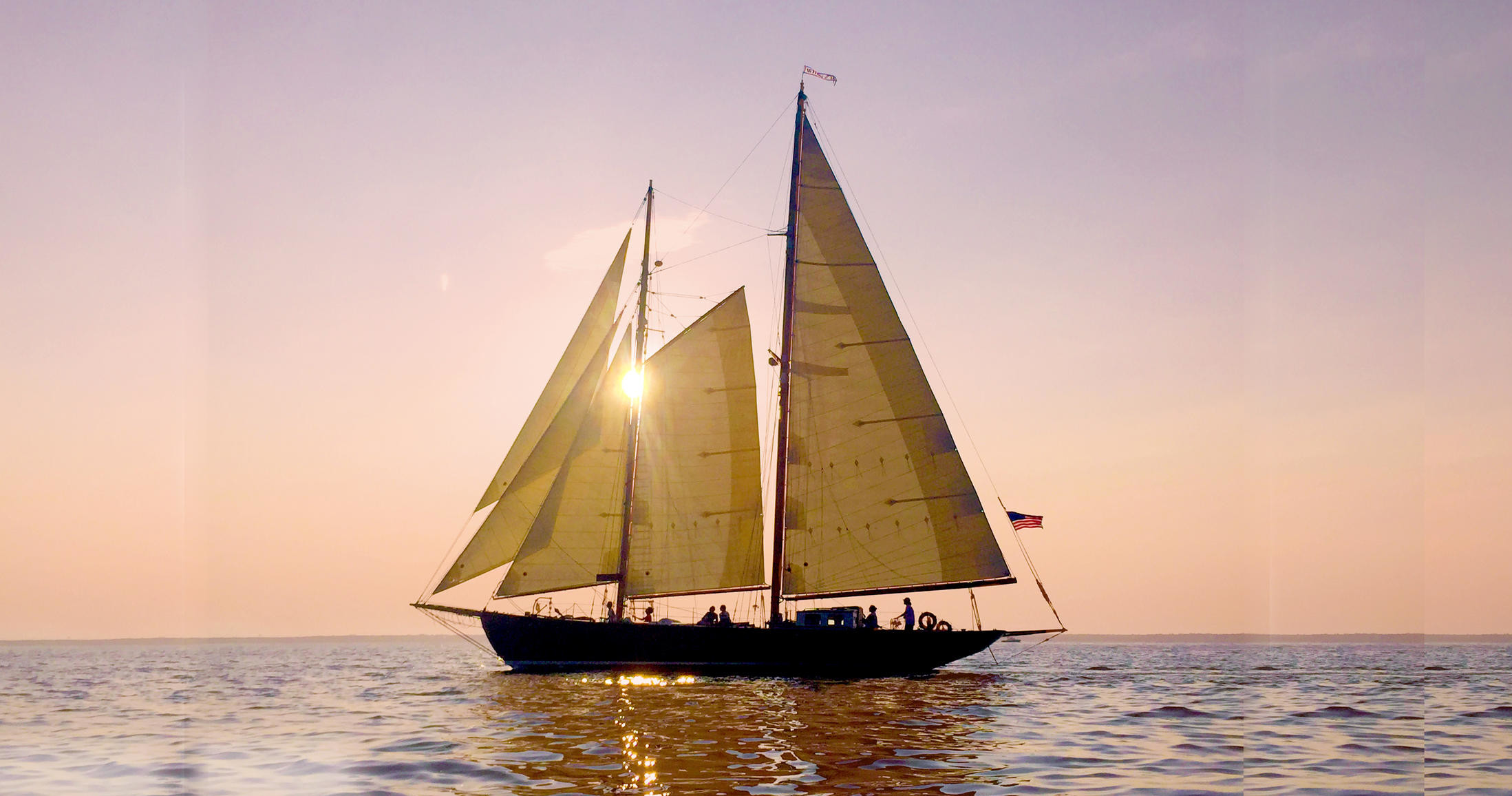
Sailing in Hudson, New Hampshire
Hudson sits modestly along the Merrimack River, a ribbon of navigable water that unspools north and south through New Hampshire’s mill-country past. For sailors the town offers practical access to river cruising—short day sails, learning-to-sail outings, and seasonal trips that use the Merrimack as a corridor to quieter backwaters and neighboring marinas. This guide focuses squarely on sailing from Hudson: how the river shapes the experience, what craft and skills work best here, when water and weather cooperate, and which complementary activities—kayaking, shore fishing, and shoreline hikes—round out a day on the water.
Top Sailing Trips in Hudson
37 trips • Book with confidence • Instant confirmation
Why Hudson Is a Practical Spot for River Sailing
Hudson doesn’t promise wide-open ocean horizons, but it offers something quieter and more immediate: the tactile rhythms of river sailing. The Merrimack here is broad enough for daysailing and beginner-friendly practice, yet intimate enough that wind shifts, narrow channels, and regional currents actively shape each tack. For sailors who value skill-building and close-to-shore navigation, Hudson is an ideal classroom. You’ll trim sails while watching industrial-era mill towns and tree-lined banks slide by; you’ll learn to read gusts funneling off river bends; and you’ll practice anchoring in coves that feel private though they’re only a short sail from town.
The region’s maritime story is subtle but rooted. The Merrimack once powered mills and moved goods; today it supports leisure craft, small marinas, and a seasonal community of anglers, kayakers, and weekend sailors. That placemaking matters: unlike crowded coastal harbors, Hudson’s waterways encourage exploration at a modest pace. On any given day you might share the river with a fishing skiff, a family in a small sailboat, or a paddleboarder threading a sheltered inlet. Those overlaps reward a conservative approach to speed and a readiness to yield—river etiquette is part of local seamanship.
Seasonally, sailing here is emphatically a warm-weather pursuit. Late spring brings cleaner water and steady breezes as trees leaf out and thermal differentials settle; summer produces the liveliest boating scene but also afternoon thermals and occasional thunderstorms; autumn delivers crisp air, fresher winds, and dramatically quieter banks as foliage colors and traffic taper. Winter closes the chapter for most sailors: ice and cold make small-craft sailing impractical, though off-season planning and inland sailing clinics remain popular.
Finally, Hudson’s real advantage is access. It’s a short drive from regional population centers, so day sails are easy to arrange and short cruises can connect to nearby towns with marinas and services. For travelers, that means flexibility—pack light for a single-day outing, or stitch together a multiday route connecting river slips, local eateries, and short inland hikes. Whether you’re learning to tack, wanting a low-key afternoon sail, or practicing river navigation before heading to larger coastal waters, Hudson offers a practical, hands-on base for the craft.
Sailing in Hudson emphasizes close-quarters navigation—knowing current patterns, reading wind shifts along tree-lined banks, and communicating with mixed-use water traffic.
The Merrimack connects to a network of nearby marinas and river towns, making it easy to combine a sail with shoreline dining, short hikes, or a fishing stop.
Seasonality is pronounced: aim for late May through October for the most reliable sailing windows and active local services.
Best Time to Visit
Best Months
Weather Notes
Late spring and early fall offer the most consistent, comfortable sailing conditions. Summer brings reliable thermals but also increased thunderstorm risk in afternoons; check forecasts for convective activity before launching.
Peak Season
July–August (highest boating traffic and busiest shore services).
Off-Season Opportunities
Shoulder seasons (May and September–October) offer quieter ramps, cooler winds ideal for training, and easier parking; winter is generally unsuitable for small-boat sailing due to cold and ice.
Frequently Asked Questions
Do I need permits or a license to sail from Hudson?
Most small recreational boats do not require a sailing license, but registered vessel rules and state-specific boat registration apply. Check New Hampshire boating regulations for registration, age-based operator requirements, and safety equipment mandates.
Are tides a major factor on the Merrimack here?
Tidal influence diminishes upriver, but downstream sections toward the estuary can show tidal shifts and stronger currents. Learn the local current patterns before attempting longer river passages.
Can I rent sailboats or book charters in Hudson?
Options may be limited directly in Hudson; nearby towns and larger marinas in the Greater Nashua/Manchester area often provide rentals, lessons, and charters. Reserve early in peak season.
Choose Your Experience Level
Beginner
Protected river stretches and calm days offer gentle conditions for first-time sailors and family sails. Focus on basic sail handling, safety briefings, and short round trips.
- Introductory day sail on calm sections of the Merrimack
- Sailing lessons with a local instructor
- Family picnic sail with sheltered anchoring
Intermediate
Sailors comfortable with tacking and basic navigation can explore longer river runs, practice docking, and handle light to moderate currents and variable winds.
- Half-day river cruise with multiple stops
- Practice anchoring and close-quarters maneuvering
- Combined sail-and-paddle day with shoreline exploration
Advanced
Experienced sailors use Hudson as a gateway to tidal passages and coastal transitions. Advanced trips require strong current-read skills, tide planning, and night or long-distance seamanship.
- Passage planning to downstream marinas and coastal harbors
- Overnight cruising with anchor watch and provisioning
- High-wind river sailing and heavy-weather preparedness drills
Insider Tips & Local Knowledge
Check water levels, current forecasts, and local launch availability before you go. When in doubt, plan conservatively—river conditions change with rain and seasonal flow.
Respect mixed-use waterways: yield to recreational paddlers and anglers, reduce wakes near shorelines, and communicate intent with short VHF hails or polite horn signals. Keep an eye on afternoon convective forecasts during summer; thunderstorms can arrive quickly and with strong gusts. If you’re new to the Merrimack, sail on a calm day with an experienced local or hire an instructor for a half-day to learn current patterns, marker meanings, and typical eddies near bends. For multi-stop routes, confirm marina guest slips and shore services in advance—some have limited seasonal hours. Finally, treat shoreline access and public ramps as community resources: pack out trash, follow posted signage, and avoid trespassing on private land.
What to Bring
Essential
- Life jacket for every person aboard
- Windproof layers and quick-drying clothing
- VHF radio or fully charged mobile phone in waterproof case
- Paper chart or downloaded nautical chart of the Merrimack River
- Water, sun protection, and snacks
Recommended
- Foul-weather jacket and an insulating midlayer
- Basic toolbox and spare line for small repairs
- Flares or daytime signaling device (where required)
- Portable bilge pump and extra bailer
Optional
- Binoculars for shoreline wildlife and navigation markers
- Deck shoes with non-marking soles
- Light camera or action cam for trip documentation
Ready for Your Sailing Adventure?
Browse 37 verified trips in Hudson with instant booking
Explore Top 15 Hudson, New Hampshire Adventures →