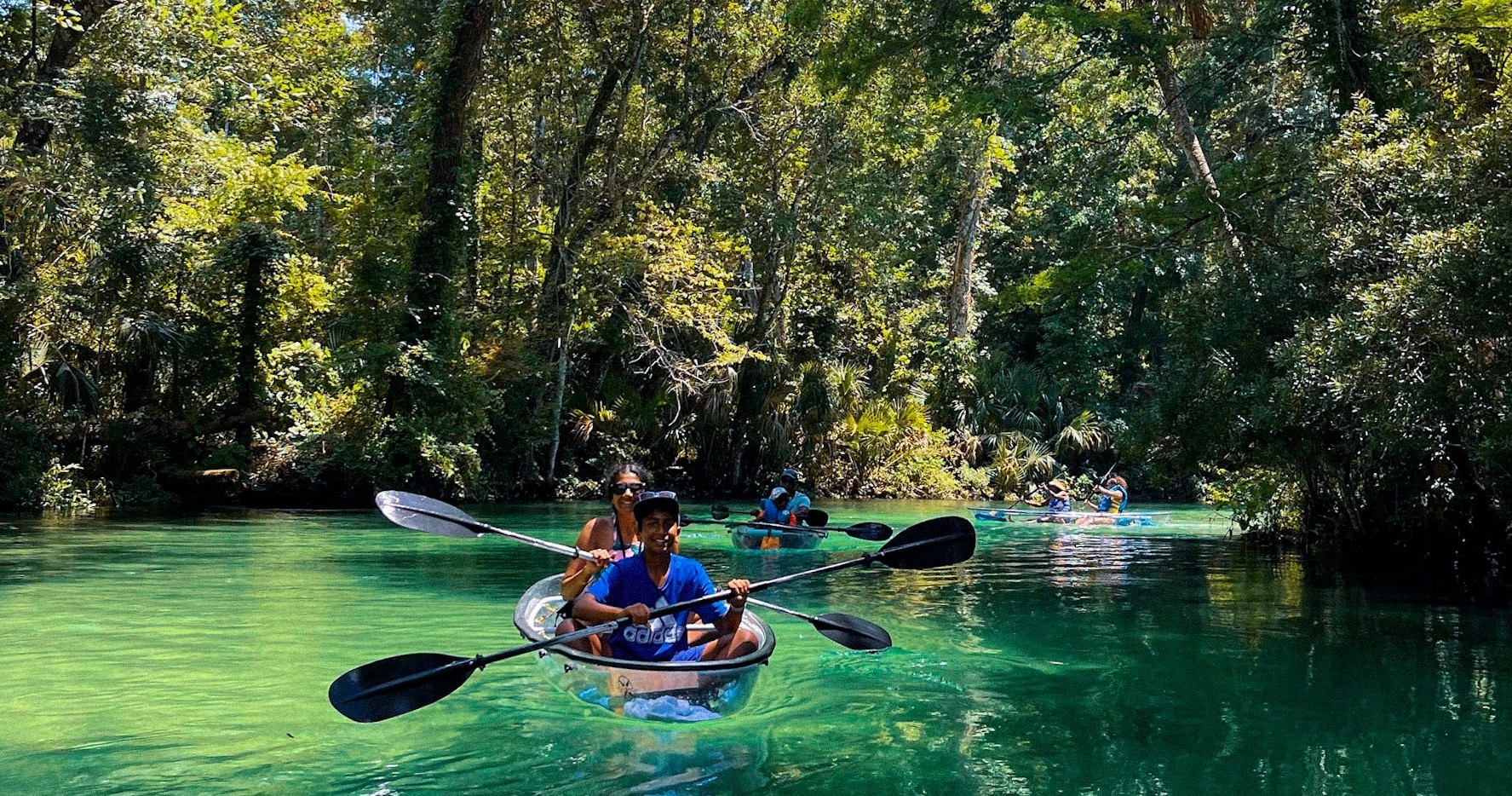
Eco Tours in Hudson, Florida
Hudson’s low-slung coastline and braided estuaries make it a subtle but rich stage for eco tours. Here, shallow bays, mangrove corridors, and barrier islands create concentrated habitat for birds, seagrass, fish, and coastal mammals—ideal conditions for guided paddles, wildlife-spotting boat trips, and conservation-minded snorkeling. Eco tours in Hudson emphasize close-to-shore exploration: interpretive walks, mangrove kayaking, shelling trips to Anclote Key, and citizen-science outings that reveal how this small stretch of Gulf shoreline supports a surprising diversity of life.
Top Eco Tour Trips in Hudson
27 trips • Book with confidence • Instant confirmation
Why Hudson Is a Standout Spot for Eco Tours
Hudson is a place of close encounters rather than grand panoramas—a short paddle or a hands-on boat trip here feels like stepping into the intimacy of estuarine life. The shoreline is a mosaic of mangrove fingers, tidal flats, and patches of seagrass that trap nutrients and shelter juvenile fish. Because the water is shallow and the habitats are compressed, species that in deeper regions are dispersed become concentrated and relatively easy to observe. That makes Hudson perfect for eco tours: you don’t need to head far offshore to see ospreys stoop for mullet, to hear the sharp piping of migrating shorebirds, or to spot a sea turtle rolling in a grass bed.
The character of an eco tour here is interpretive and sensory. Guides read tide and wind as easily as they identify species; trips combine quiet observation with explanations about food webs, local restoration projects, and the human pressures that shape the coastline. Anclote Key—one of the region’s better-known conservation destinations—is a common stop on guided trips. Its undeveloped shorelines and dune-backed beaches are nesting habitat for shorebirds and offer a tactile lesson in island dynamics. Closer to the mainland, mangrove creeks and the Anclote River showcase how root systems stabilize sediments and how subtle changes in salinity ripple through an ecosystem.
Culturally and historically, eco tours around Hudson are also about a relationship with the Gulf that runs deeper than recreation. The area has long supported inshore fisheries and small-scale maritime livelihoods; local guides often carry knowledge passed down through generations—where the sheepshead run at high tide, which flats hold scallops after a full moon, or which spring-fed creeks draw manatees in colder months. Many tour operators frame their trips as stewardship experiences: participants learn practices like low-impact boating, shoreline etiquette, and how to report sightings for local conservation databases. For travelers, that dual focus—sensory discovery plus practical conservation context—creates tours that are both memorable and meaningful. Whether you arrive with a casual curiosity or a background in nature study, Hudson’s eco tours deliver focused, accessible immersion in a living coastline.
The compact coastline makes wildlife viewing efficient—short excursions often yield multiple habitat types: mangroves, flats, seagrass, and island beaches.
Seasonal patterns (migrations, spawning pulses, and cold-season manatee movements) shape what you’ll see; local guides tailor trips to the tides and wildlife calendar.
Because many tours operate from shallow bays and estuaries, they’re accessible by kayak, paddleboard, or small skiff—great options for travelers seeking low-impact experiences.
Best Time to Visit
Best Months
Weather Notes
Hudson experiences hot, humid summers with frequent afternoon thunderstorms; fall through spring offers milder temperatures and calmer seas. Wind and tide patterns are critical—morning trips often have the calmest water. Cold snaps can concentrate manatee sightings near springs.
Peak Season
Late fall through early spring for comfortable temperatures, migratory bird passage, and clearer water.
Off-Season Opportunities
Summer months bring abundant warm-water marine life and lower crowding; early-morning departures avoid heat and storms, and some snorkeling or fishing-focused eco trips run year-round.
Frequently Asked Questions
Do I need previous paddling experience for kayak eco tours?
No—many operators offer beginner-friendly sit-on-top kayaks and short orientation sessions. Tell the operator your experience level when booking.
Are eco tours family-friendly?
Yes. Short guided paddles and beach walks are commonly offered for families; operators can advise on age minimums and safety gear.
Can I swim or snorkel during a tour?
Some tours include shallow snorkeling over seagrass beds or supervised swims at secluded beaches. Guides decide based on safety, visibility, and wildlife sensitivity.
Choose Your Experience Level
Beginner
Gentle half-day paddles in protected mangrove creeks, short interpretive boat trips, and guided beach walks—minimal fitness required and basic orientation provided.
- Mangrove creek kayak (2–3 hours)
- Short interpretive skiff ride into the estuary
- Anclote Key beach walk and shelling trip
Intermediate
Longer tidal paddles and combined activities that may require basic navigation and comfort on the water; half-day to full-day outings that visit multiple habitats.
- Estuary-to-island paddle (half-day)
- Guided birding and photography tour by skiff
- Shallow-water snorkeling over seagrass beds
Advanced
Multi-site excursions with tide-dependent logistics, citizen-science surveys, or longer crossings where strong winds and currents require experience and planning.
- Full-day barrier-island circumnavigation (weather- and tide-dependent)
- Volunteer marine restoration and monitoring trips
- Extended open-water paddles timed with tidal flows
Insider Tips & Local Knowledge
Confirm tides, wind forecasts, and launch points with your guide the day before. Many operators alter schedules for wildlife windows and safety.
Book morning departures for calmer water and better wildlife activity. Wear reef-safe sunscreen and avoid single-use plastics—guides often emphasize leave-no-trace practices and may collect micro-trash during trips. If you plan to visit Anclote Key, check for protected nesting closures and bring a small cooler for packed lunches (glass is discouraged). For birding, bring binoculars and set your camera to a fast shutter speed; for citizen-science outings, expect to log basic observations into an app or notebook. Finally, respect signage and distance guidelines around nesting birds and marine mammals—many species on these tours are sensitive to disturbance.
What to Bring
Essential
- Waterproof dry bag for phone and layers
- Low-profile hat and polarized sunglasses
- Reef-safe sunscreen and lip balm
- Plenty of water and light snacks
- Insect repellent (especially for dusk trips)
Recommended
- Light waterproof jacket for wind or drizzle
- Water shoes or sandals with grip
- Binoculars for birding
- Small waterproof camera or action camera
- Reusable water bottle and small trash bag
Optional
- Field guide app or printed species checklist
- Light snorkeling gear for shallow grass-bed swims
- Notebook for citizen-science observations
Ready for Your Eco Tour Adventure?
Browse 27 verified trips in Hudson with instant booking
Explore Top 15 Hudson, Florida Adventures →