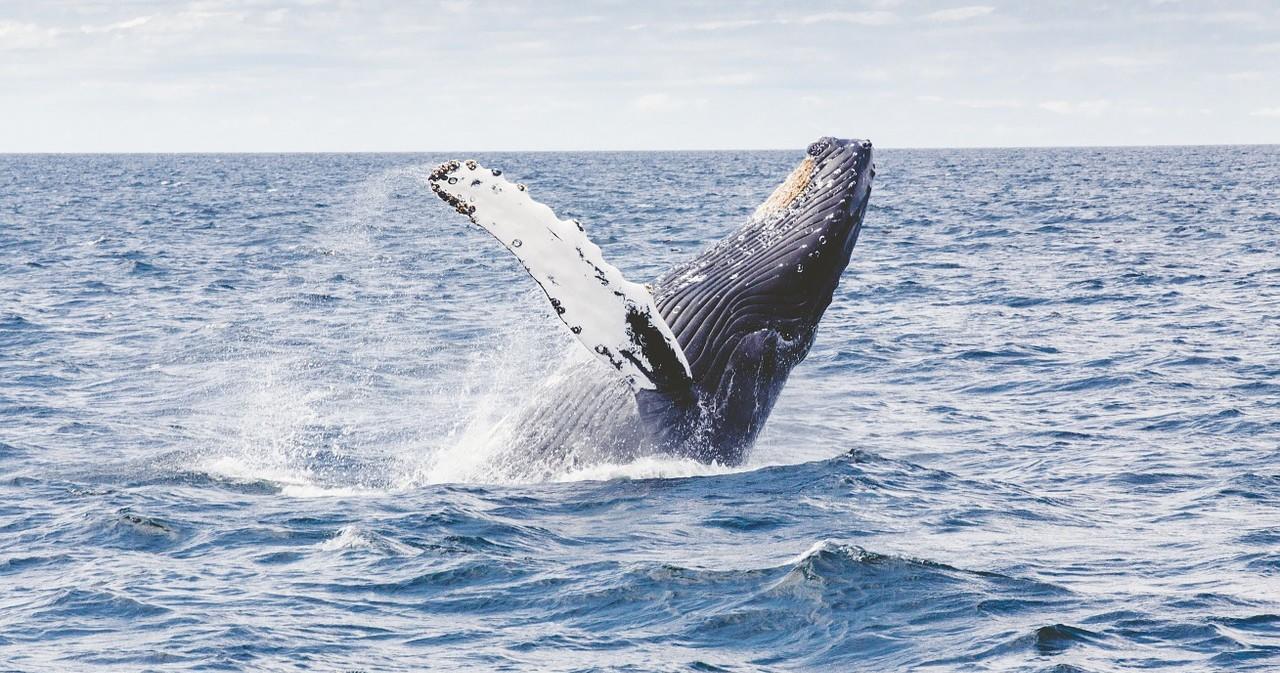
Top Whale Watch Experiences in Honokaa, Hawaii
Honokaa sits on the Hamakua Coast as a quiet, convenient gateway to some of Hawaiʻi Island’s best seasonal whale-watching—both from shore and by sea. From rugged headlands that frame surf-torn coves to short drives that deliver you to sheltered harbors, the area supports a range of encounters with migrating humpback whales. This guide focuses on practical planning and immersive detail for whale-watchers of every experience level, with 20 matching trips in the area offering options from gentle passenger boats and zodiacs to shore-based vantage points and photo-focused charters.
Top Whale Watch Trips in Honokaa
20 trips • Book with confidence • Instant confirmation
Why Honokaa Is a Standout Whale-Watching Base
On a clear winter morning the Hamakua cliffs glow like old islands of lava glass, and the valley mouths that punctuate the coast—Waipio’s mouth a long black throat, smaller gulches like polished bowls—offer natural amphitheaters for watching the ocean’s slow theater. Humpback whales migrate thousands of miles to Hawaiʻi’s protected bays and nearshore waters each winter, and Honokaa’s position on the northeastern flank of the island puts it within striking distance of several reliable viewing areas. What makes Honokaa unusual is the combination of accessibility and variety: a short drive moves you from roadside lookouts and lava-scarred cliffs to small harbors where operators launch intimate vessels. For travelers who want both quiet shore sightings and up-close encounters on the water, Honokaa feels like a low-key basecamp—a place where morning coffee and a binocular-scan of the horizon are part of the routine.
Beyond the whales themselves, contacts with local culture and conservation work give whale watching here depth and context. Local guides and naturalists often layer Hawaiian place knowledge, seasonal lore, and marine-science updates into trips, translating the whales’ songs into a larger conversation about ocean health, coastal watershed protection, and traditional stewardship. Practical advantages also stack up: compared with crowded hubs, Honokaa-area launches tend to be smaller and more flexible with route choice; morning hours commonly deliver calmer seas and better light for photography; and the short drives to vantage points on both the Hamakua Coast and nearby Hilo side mean you can switch strategies by weather or whim. For travelers who want to pair whale watching with other adventures, the region easily accommodates waterfall hikes, black-sand beach visits in Waipio, cultural stops in town, and snorkeling or coastal fishing excursions later in the season. In short, Honokaa is neither the flashiest nor the busiest whale-watching port on the island—but its combination of shoreline drama, approachable charters, and thoughtful local guides makes it an ideal base for travelers who want encounters that feel authentic, instructive, and responsibly paced.
Whale season in Hawaiʻi (roughly November through May) is driven by breeding and calving behavior; the largest concentrations of humpbacks are typically found in protected bays but individuals and small groups travel along nearshore corridors that pass the Hamakua Coast.
Operators out of nearby harbors favor morning departures for calmer seas and clearer skies—conditions that increase the odds of close surface behaviors like breaching, tail slaps, and pectoral fin displays.
Conservation-minded tours and education-driven operators are common in the area; look for charters that brief passengers on approach guidelines, noise reduction, and the legal buffer distances designed to protect resting or nursing whales.
Best Time to Visit
Best Months
Weather Notes
Winter months bring cooler mornings, occasional rain squalls, and generally calmer nearshore seas early in the day. Trade winds pick up in the afternoons and can roughen open-water conditions; plan water departures for morning windows when possible.
Peak Season
January–March (highest concentration of humpback activity and calf sightings).
Off-Season Opportunities
Summer and fall offer fewer humpbacks but excellent conditions for snorkeling, diving, and fishing—use off-season visits to explore waterfalls, cultural sites, and low-traffic coastal drives.
Frequently Asked Questions
Do I need permits to watch whales from shore or join a tour?
No permits are required for shore-based viewing. Commercial whale-watching operators are licensed through state and federal marine agencies; private vessels must follow federal approach guidelines aimed at protecting whales.
How close can boats approach whales?
Federal and state regulations set legal buffer distances to minimize disturbance. Licensed tour operators follow approach protocols and will brief passengers on safe behavior; operators that respect guidelines are safer for both guests and whales.
Are shore-based sightings worthwhile or should I book a boat?
Both have value. Shore viewing from headlands and beaches can provide long, relaxed looks and photographic opportunities with land context; boat trips increase the chance of close surface interactions but are subject to sea conditions and permit rules.
Choose Your Experience Level
Beginner
Low-effort shore-based viewing and gentle passenger-boat outings suitable for families and casual travelers.
- Cliffside lookout watching with binoculars
- Short harbor cruise on a stable passenger vessel
- Sunrise photography session from a coastal park
Intermediate
Small-boat or zodiac tours that put you closer to surface behaviors; requires readiness for chop and active movement.
- Zodiac or small-catamaran wildlife cruise
- Half-day photo-focused charter with a naturalist guide
- Combined whale-watch and coastal snorkeling trip (season permitting)
Advanced
Multi-discipline trips for seasoned travelers and photographers, including longer offshore time, research-briefing charters, or private charters tailored for specific behaviors.
- Private photography-focused charter with extended track time
- Research-educated trips that include acoustic listening and data briefings
- Offshore navigation to less frequented nearshore corridors
Insider Tips & Local Knowledge
Confirm weather windows and sea conditions before booking; choose morning departures for calmer water and better light.
Book tours that prioritize conservation and education—these operators typically provide the best information and adhere strictly to approach rules. If prone to seasickness, take preventative measures the night before and bring ginger or antiemetic remedies; morning departures reduce chop and motion. Bring layers: even on sunny days the wind off the water can be cool. Shore-based watches are underrated—arrive early to find a quiet vantage and bring a tripod or monopod for steady photos. Combine a whale watch with a visit to Waipio Valley or local farmer markets in Honokaa to round out the day, and respect local rules and private-property signage when scouting coastline viewpoints.
What to Bring
Essential
- Binoculars with 7–10x magnification
- Waterproof or quick-dry jacket (wind and spray protection)
- Layers—mornings can be cool, afternoons breezy
- Sun protection: hat, sunscreen, and UV-protective clothing
- Motion-sickness prevention if prone to seasickness
Recommended
- Telephoto lens or camera with good zoom for in-boat photography
- Reusable water bottle and sea-surface snacks
- Light waterproof daypack to keep gear dry
- Small first-aid kit and seasickness remedies
Optional
- Compact spotting scope for shore-based watches
- Notebook for naturalist notes
- Waterproof phone case or dry pouch
Ready for Your Whale Watch Adventure?
Browse 20 verified trips in Honokaa with instant booking
Explore Top 15 Honokaa, Hawaii Adventures →