Top 12 Scuba Adventures in Honokaa, Hawaii
Honokaa sits on Hawai‘i Island’s verdant Hāmākua Coast, a quiet gateway to coastal drop-offs, lava-formed reefs and nutrient-rich waters that attract curious fish, macro life and dramatic underwater terrain. While Honokaa itself is not a dive resort town, its location makes it an excellent base for explorers who want short shore entries, guided trips launched from Hilo, or a road-trip approach that links to the world-class diving of Kona. This guide focuses on scuba experiences accessible to travelers centered in and around Honokaa—shore dives on black-sand beaches, guided boat excursions from Hilo, and the practical considerations for diving the wind- and swell-driven east coast of the Big Island.
Top Scuba Trips in Honokaa
12 trips • Book with confidence • Instant confirmation
Why Honokaa Works for Scuba Divers
Honokaa’s charm—rainforest-swathed ridgelines spilling into the Pacific and black‑sand coves carved from recent lava flows—translates underwater as a landscape of contrast: sheer drop-offs, lava boulder gardens, and fingers of reef that collect both pelagic visitors and a steady procession of reef life. For divers who arrive with a flexible itinerary, Honokaa offers a strategic advantage. It’s quieter than the resort strips, positioned close enough to Hilo’s dive operators for boat trips to deeper walls and drift routes, yet near less-developed shore entry points where you can hand‑carry gear and slip into volcanic scenery that most visitors never see.
The Hāmākua Coast is shaped by trade winds and the ocean’s slow, erosive patience. Offshore, currents and nutrient flow can create spectacular visibility windows and, at other times, bring plankton-rich water that lights up macro life. That variability is part of the appeal: days of long-range visibility and schooling fish give way to intimate, macro-focused dives when the sea fills with life at smaller scales. The region’s geology—lava tubes, arches, and rounded basalt outcrops—creates microhabitats where nudibranchs, crabs, and small reef fish shelter. Because Honokaa itself has a small-town footprint, the surrounding launch points and shore entries tend to attract fewer divers, which means quieter dive sites and more personal interactions with local operators.
Planning a scuba trip from Honokaa also invites a blended itinerary. Divers routinely pair morning dives with afternoon hikes into Waipio Valley or roadside stops at waterfalls and fruit stands—creating a day that combines immersion above and below the waves. For boat-based outings, Hilo Harbor is the usual staging area: a roughly 30–50 minute drive depending on conditions and operator. For those willing to drive farther, Kona’s west coast offers world-class clarity, manta encounters, and wrecks—an excellent complement to the east-coast experience. The result is a flexible regional loop: shore dives and small-site exploration near Honokaa, guided boat dives from Hilo for deeper walls and caverns, and occasional longer transfers for specialty dives from Kona.
Safety and local context matter here more than in many holiday diving hubs. Wind, swell and sudden runoff from tropical showers can alter conditions quickly on the Hāmākua Coast. That variability rewards travelers who build extra days into their plans, work with local guides who know current patterns, and carry conservative contingency plans. When conditions cooperate, Honokaa-based diving is quietly rewarding: rugged coastal geography, a steady cast of reef fish, and the kind of low-traffic sites that let you feel like you’ve discovered something private and genuine. This guide will help you parse seasons, pick shore versus boat options, and prepare practically—so your dives are about exploration, not logistics.
The diving variety is the draw: short shore entries across black sand, kelp-framed coves, and deeper boat-access walls. Shore dives near Honokaa favor calm mornings; boat trips unlocked from Hilo reach steeper drop-offs and lava canyons.
Compared with the Kona side, the Hilo-Honokaa coastline is more influenced by nutrient flow and seasonal winds; expect both days of wide visibility and periods better suited for macro photographers. Local operators know the microclimates and pick sites to match conditions.
Pairing scuba with the island’s other outdoor draws—waterfall hikes, coastal drives, and cultural stops—creates a fuller trip. Honokaa is a restful base where pre- and post-dive activities are only a short drive away.
Best Time to Visit
Best Months
Weather Notes
Spring and early summer often bring calmer seas on the east coast; late fall can also offer windows of clear water. Trade winds and passing storms influence swell and visibility—early mornings are frequently the calmest for shore dives.
Peak Season
Summer months see steady dive conditions and more charter activity; plan ahead for weekend bookings.
Off-Season Opportunities
Winter months bring bigger swell and more variable visibility but can be excellent for experienced divers who are prepared for currents and surge; shore dives are often best in protected coves on calm days.
Frequently Asked Questions
Do I need a dive operator or can I shore dive independently?
Many shore-entry sites around Honokaa are accessible to certified divers with good entry/exit skills, but conditions can change quickly. Local operators provide current knowledge, gear rental, and guided options—recommended for unfamiliar sites or for shore entries with surf or strong currents.
Is Honokaa a good base for big animal encounters like manta rays?
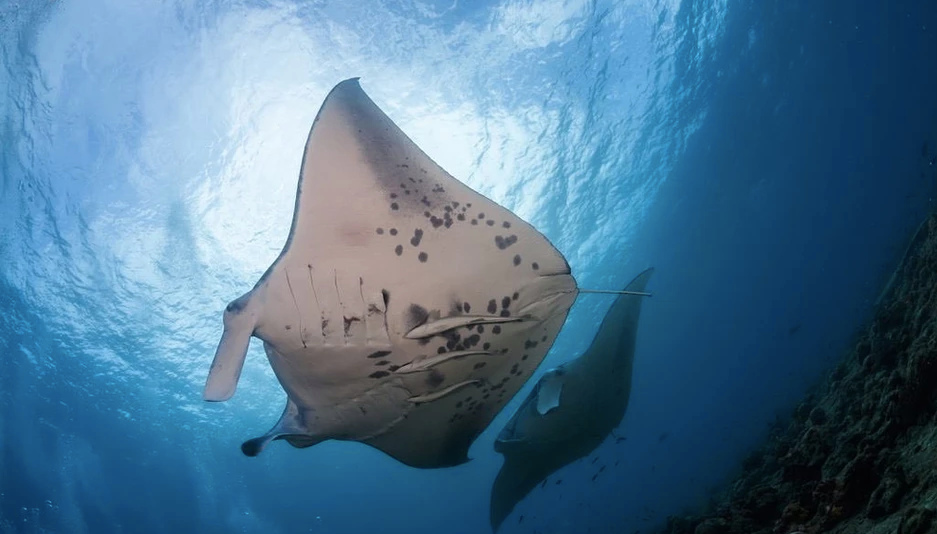
Manta ray night dives are most reliably offered on the Kona side of the island. Honokaa’s location is better suited to day shore dives and boat trips from Hilo that focus on reefs, walls and macro life.
How far is Hilo or Kona from Honokaa for boat dives?
Hilo is the closer harbor and typically a 30–50-minute drive from Honokaa depending on route and traffic. Kona is a longer drive—plan for 1.5–2.5 hours if you’re combining Honokaa-based land activities with Kona launches.
Choose Your Experience Level
Beginner
Calm, shallow shore entries (on suitable days) and supervised guided shore dives with minimal current; focus on learning skills and observing reef life.
- Guided black-sand shore dive with gentle slope
- Shallow reef exploration near protected coves
- Discover Scuba experiences offered by Hilo operators (for non-certified travelers)
Intermediate
Boat dives to walls and ledges, longer shore dives with moderate currents, and drift-related navigation; requires comfort with navigation and deeper depths.
- Guided boat dive to Hāmākua drop‑offs
- Drift-focused shore entries when currents are moderate
- Macro-focused dives targeting lava rubble and boulder fields
Advanced
Deep-wall routes, current‑running drift dives, and technical profiles that may exceed recreational limits—best done with experienced operators and appropriate certifications.
- Multi-site boat days visiting steep walls and caverns
- Advanced navigation and deeper reef pinnacles
- Cross-coast transfers to Kona for specialty wreck or manta dives
Insider Tips & Local Knowledge
Check sea forecasts and contact local operators the day before diving; morning windows are often calmer, and guides will choose sites to match conditions.
Work with Hilo-based dive shops for the best selection of boat trips; they operate the most reliable launches near Honokaa. If you prefer shore dives, plan for early starts to minimize wind chop and take extra time for rigging—many access points are hand-carry only. Bring cash for small, local dive shops and rentals, and be prepared for simple facilities at shore-entry sites. Respect local marine protections: avoid touching coral or reef life, use reef-safe sunscreen, and follow operator briefings. Finally, build flexibility into your schedule: weather or swell can cancel a planned day on the water, but inland hikes, valley lookouts, and coastal drives make excellent alternate activities so your trip still feels full.
What to Bring
Essential
- Certification card (Open Water or higher) and dive medical clearance if required
- Dive computer and personal depth/time log
- Mask, snorkel, fins, and a backup mask
- Surface marker buoy (SMB) and whistle
- Reef‑safe sunscreen and water bottle
Recommended
- Wetsuit suited for local temperatures (shorty to 3mm–5mm depending on preference)
- Spare O‑ring kit and basic tool kit for BCD/regulator adjustments
- Small first‑aid kit and basic medications
- Underwater camera or macro lens for nudibranchs and small critters
- Dive insurance or trip insurance that covers diving incidents
Optional
- Lightweight dive knife or reef hook (check local regulations)
- Logbook or digital logging app
- Anti‑fog and defog solution, and mask strap
- Surface float or small dry bag for shore entries
Ready for Your Scuba Adventure?
Browse 12 verified trips in Honokaa with instant booking
Explore Top 15 Honokaa, Hawaii Adventures →