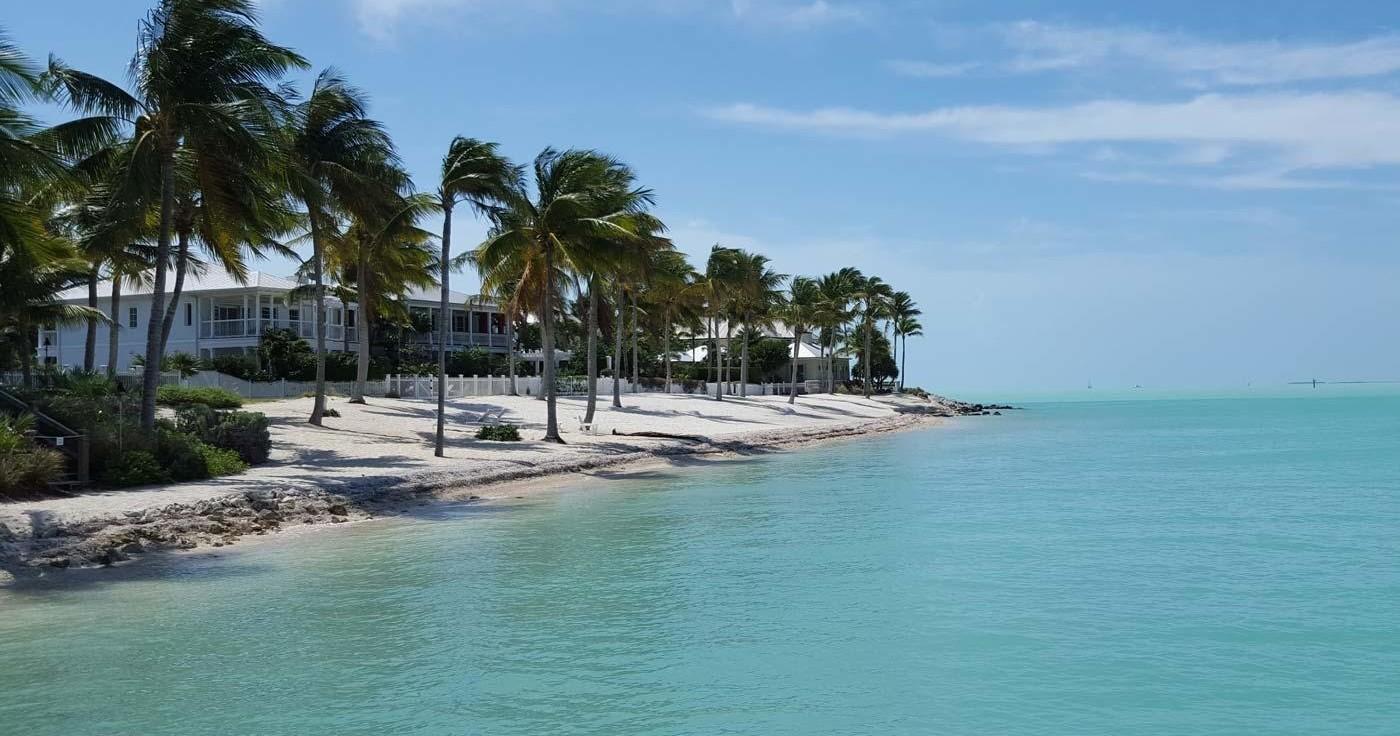
Kayaking in Hollywood, Florida: Mangroves, Intracoastal Channels & Biscayne Access
Hollywood’s shoreline folds the easy access of an urban beach town into a rich coastal mosaic of mangrove estuaries, sheltered intracoastal channels, and open bay water. For paddlers it’s a rare mix: beginner-friendly flatwater routes framed by bird-filled mangroves and salt flats, plus gateway access to longer excursions into Biscayne Bay or the Everglades fringe. This guide focuses on where to go, when to paddle, and how to plan safe, meaningful kayak outings in and around Hollywood.
Top Kayak Trips in Hollywood
41 trips • Book with confidence • Instant confirmation
Why Hollywood Is a Standout Kayaking Destination
Paddling in Hollywood, Florida, is an exercise in contrasts: a Broadwalk-backed beach scene minutes from quiet mangrove thickets, and an Intracoastal Waterway that alternates between glassy commuter lanes and wind-swept channels open to the Atlantic. For kayakers the area is accessible and forgiving—sheltered routes within Anne Kolb Nature Center and neighborhood canals make welcome practice for beginners, while the wider waterways and bay approaches reward longer trips and natural history observation.
The region’s ecological geometry—mangrove roots, tidal flats, seagrass beds, and shifting sandbars—creates habitat for a surprising diversity of wildlife. Early morning and late afternoon paddles often bring encounters with diving shorebirds, pairs of dolphins that follow the tide, and the slow, deliberate silhouette of a manatee in protected estuaries. Salt-tolerant plants and the labyrinth of black- and red-mangrove channels also make for intimate, cinematic paddling: you move through green tunnels, find quiet backwater pools, and emerge into broad sunlit bays.
Practical access is another reason paddlers choose Hollywood. Several public launch points, nature-center rental programs, and commercial outfitters offer easy gear options and guided tours that introduce the local currents, tide windows, and best wildlife-viewing spots. Urban services—cafés, bike paths, and the Broadwalk—mean a kayak day can seamlessly combine with beach time, cycling, or a seafood meal. For multi-day itineraries, paddlers can link day trips to nearby Biscayne Bay routes, or take longer trips that edge toward the Everglades coastal fringe.
Seasonality shifts the vibe and logistics. Winter and the cooler months provide lower humidity, clearer skies, and typically calmer winds—prime conditions for long-range paddles and wildlife watching. Summer brings hot sun and higher afternoon sea-breeze winds; storms are more likely and demand stronger weather awareness. Tides and wind are the practical realities here: they determine channel depth, route choices, and how much exertion a crossing will require. For all levels of paddlers, good trip planning (checking tide tables, wind forecasts, and possible closures) turns Hollywood’s varied water into an endlessly playable landscape rather than just a pretty backdrop.
Sheltered mangrove trails at Anne Kolb are ideal for first-time kayakers and photographers seeking close wildlife encounters without the exposure of open water.
The Intracoastal Waterway provides straightforward point-to-point options—short harbor hops, restaurant-accessible launches, or longer mileage toward Fort Lauderdale and Dania Beach.
Biscayne Bay access opens up clearer water, island-hopping, and snorkel stops; crossings require attention to wind and vessel traffic.
Urban conveniences—rentals, guided eco-tours, and public launches—make day planning simple for travelers without their own gear.
Tides, wind, and seasonal storm patterns shape route difficulty; local knowledge or guides substantially improves safety and enjoyment.
Best Time to Visit
Best Months
Weather Notes
Late fall through spring brings lower humidity, milder temperatures, and typically steadier winds—ideal for longer paddles and wildlife viewing. Summer is hot and humid with higher afternoon sea breezes and a greater chance of thunderstorms; always check forecasts and avoid exposed crossings during high winds or storms.
Peak Season
Winter and spring are the busiest months for guided eco-tours and weekend paddles, coinciding with more comfortable weather.
Off-Season Opportunities
Summer offers quieter waterways, weekday solitude, and late-afternoon lightning-aware paddling; early mornings are best to avoid heat and afternoon storms.
Frequently Asked Questions
Do I need a permit to kayak in Anne Kolb or local waterways?
Public launch areas are open for day use; some managed sites or organized events may require registration. For longer or commercial activities check with local authorities or the Anne Kolb Nature Center for seasonal rules.
Are there rental shops and guided tours in Hollywood?
Yes. Multiple outfitters rent single and tandem kayaks, and guided eco-tours focus on mangroves, birding, and sunset trips—good options if you don’t have your own gear or want local knowledge.
How do tides and wind affect routes?
Tides determine channel depth through mangrove passages and accessibility of sandbars; wind direction and strength greatly influence the difficulty of bay crossings and exposed stretches. Check local tide charts and wind forecasts before launching.
Choose Your Experience Level
Beginner
Short, sheltered paddles through mangroves, protected estuaries, and calm intracoastal sections that require basic paddling skill and awareness.
- Anne Kolb Nature Center loop
- Short Intracoastal shoreline paddle and Broadwalk access
- Guided wildlife-focused kayak tour
Intermediate
Longer point-to-point trips along the Intracoastal, moderate bay crossings, and routes that require tide and wind planning.
- Intracoastal day trip toward Fort Lauderdale
- Biscayne Bay approach and island stopover
- Sunset paddle with moderate open-water exposure
Advanced
Extended coastal crossings, open-bay navigation in varying conditions, or multi-leg trips linking into Biscayne Bay or Everglades-adjacent channels requiring navigation skills and self-rescue competence.
- Open-bay crossing with changing wind and current
- Multi-launch coastal itinerary toward nearby barrier islands
- Long-distance touring with loaded kayaks
Insider Tips & Local Knowledge
Check tides, wind, and weather; respect wildlife and fragile mangroves; and consider guided tours if you’re unfamiliar with the local channels.
Launch at higher tides when entering narrow mangrove channels to avoid scraping roots or getting stuck on exposed flats. Early morning paddles reduce heat exposure and improve chances of wildlife sightings. Wind tends to build in the afternoon—plan bay crossings for morning slack winds when possible. Practice shallow-water rescues and be prepared to self-extract when landing through shell-strewn or muddy shallows. Rent from local outfitters to get route advice and tide-aware launch times; guides offer invaluable local pointers on where to find birds, dolphins, and quiet backwater pockets. Finally, use reef-safe sunscreen and pack out all trash—mangrove ecosystems are sensitive to pollution and trampling.
What to Bring
Essential
- USCG-approved life jacket (PFD) — worn while on the water
- Dry bag for phone, keys, and spare clothing
- Plenty of drinking water and electrolyte snacks
- Sun protection: hat, sunglasses with retainer, reef-safe sunscreen
- Waterproof phone case or VHF radio and a whistle for signaling
Recommended
- Light wind shell for changing sea breezes
- Neoprene or quick-dry footwear for launching through mud or shells
- Chart or downloaded route map and tide/wind forecast app
- Small first-aid kit and a bilge sponge or paddle float
- Headlamp for dusk or night paddles
Optional
- Compact snorkeling mask for seagrass and shallow-reef exploration
- Camera with waterproof housing or action camera
- Binoculars for birdwatching and distant wildlife
- Fishing gear if planning to fish (check local regulations)
Ready for Your Kayak Adventure?
Browse 41 verified trips in Hollywood with instant booking
Explore Top 15 Hollywood, Florida Adventures →