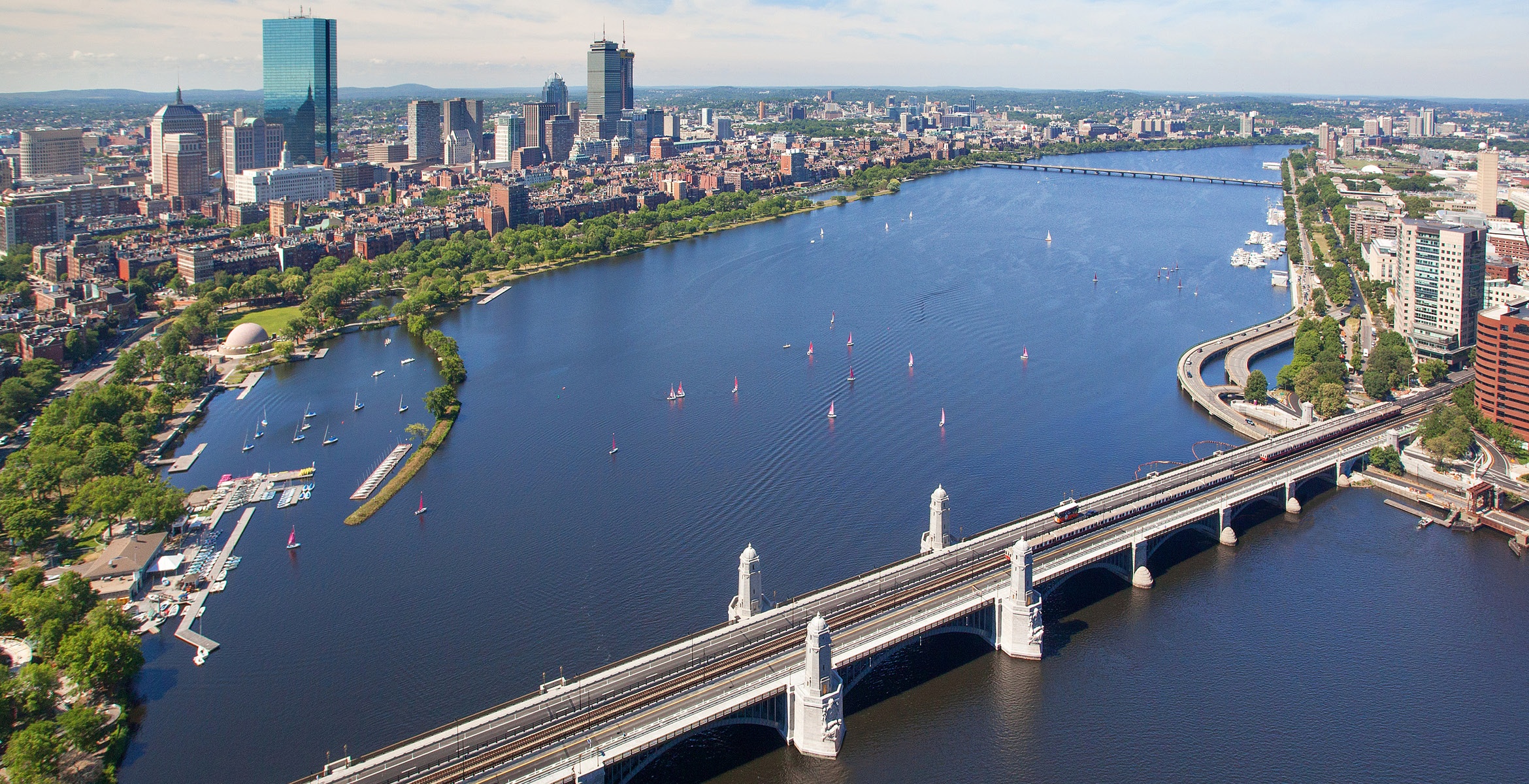
Photography Tours in Hollis, New Hampshire

Hollis, New Hampshire

Hollis trades big-peak drama for small‑scale, relentlessly photogenic details: orchard rows, weathered red barns, patchwork fields, and low riverside light that rewards patience. This guide focuses on photography tours — curated routes, seasonal windows, and on-the-ground tips — so you can plan shoots that balance craft, comfort, and access.

8
Activities
Best in spring, summer mornings, and fall
Best Months

Top Photography Tour Trips in Hollis

8 trips • Book with confidence • Instant confirmation

Why Hollis Is a Standout Photography Tour Destination

Hollis doesn't advertise itself with skyscraping summits or famous vistas; its appeal is quieter and more intimate. Photographers who arrive with an eye for texture, natural light, and human-scaled landscapes find a rich palette here: old wood siding that takes late-afternoon light like a portraitist's reflector, low meadows that cradle morning fog, and a mosaic of fields and stone walls that read beautifully in wide-angle frames. The town’s scale—small roads, accessible farm lanes, and frequent roadside pullouts—makes it an ideal place for multi-stop photography tours where each stop can yield a different subject or mood.

The seasonal rhythms of southern New Hampshire shape what you’ll see and how you’ll shoot. Spring is about delicate detail: emerging greens, blooming apple trees, and translucent backlit petals that favor macro work and short-telephoto compositions. Summer mornings offer a cool window before heat and flat light arrive; fog in low-lying areas can linger for an hour after sunrise, softening distant fields and isolating foreground shapes. Come autumn and the region remakes itself—maple and birch fire into saturated color and the low-angle sun sculpts barns and stone walls with long, warm shadows that are a photographer’s dream. Winter condenses the visual stories into minimalist studies of line and form: snow‑edged fences, dark posts against white fields, and the quiet geometry of bare branches.

A photography tour through Hollis also rewards genre-mixing. Landscape shooters will cross paths with still-life opportunities in farm stands and seasonal markets; documentary photographers can find narrative in working farms and vintage farm architecture; macro and botanical enthusiasts have plenty to explore among orchards and vernal wetland edges. Night photographers have occasional clear windows for star work—though light pollution from nearby towns tempers deep-sky ambitions, the Milky Way can sometimes be composed between darker ridge lines if you plan carefully.

Finally, Hollis is accessible. Unlike remote mountain photography that demands long approaches or special permits, most compelling locations here are reached by paved or well-maintained gravel roads, making dawn-to-dusk itineraries practical. That accessibility makes Hollis particularly suited for guided half-day or full-day photography tours, family-friendly shoots, and workshops that combine instruction with easy logistics. Complementary activities—cycling quiet roads, sampling orchard produce, or pairing a sunrise shoot with a late breakfast at a local café—round out a visit so that photography becomes both the goal and the way to discover the place.

Scale and approachability are the town’s strengths: you can move from macro studies to wide landscapes in short drives, allowing flexible itineraries that respond to light and weather.

Seasonality reshapes the narrative: spring blossoms and summer mornings emphasize freshness and texture, while fall furnishes explosive color and sculpted light.

Hollis pairs well with complementary activities—birding and canoeing on nearby rivers, cycling quiet backroads, and visiting farmstands—so non-photographers or multi-interest groups stay engaged between shoots.

Activity focus: Photography tours and field workshops
Number of curated local photography experiences: 8
Terrain: lowland farmland, small rivers and brooks, farm lanes, roadside overlooks
Access: most sites reachable by car; short walks often required
Light windows: prime at sunrise and the last two hours before sunset

Best Time to Visit

Best Months

MayJuneSeptemberOctoberNovember

Weather Notes

Spring and fall provide the most dramatic light and subject variety; summer offers reliable mornings but can be hazy by midday. Winter yields high-contrast, minimalist scenes but requires cold-weather preparation.

Peak Season

Mid-September through October for fall color and crisp light.

Off-Season Opportunities

Late winter weekdays offer solitude and graphic snow scenes; early spring is excellent for intimate nature and macro work as vegetation reawakens.

Frequently Asked Questions

Do I need permits to photograph in Hollis?

Most rural roads and public ways in Hollis do not require permits for general photography. However, many of the most photogenic subjects—farm buildings, orchards, and private fields—are on private property. Always seek permission from landowners before entering private land or staging shoots.

Are there guided photography tours available locally?

Small-group and private photography workshops are offered seasonally by local and regional guides. Availability varies; contact hosts directly for schedules, group size limits, and whether they provide transportation or instruction.

What time of day is best for photography tours?

Sunrise and the last two hours before sunset (golden hour) are prime for landscape and rural portraiture. Dawn often yields softer light and morning mist; late afternoon provides warmer tones and stronger shadow definition.

Choose Your Experience Level

Beginner

Introductory outings that focus on composition basics, using available light, and simple gear setups. Ideal for travelers who want strong images without technical complexity.

  • Sunrise field and barn series
  • Orchard and blossom macro session
  • Golden-hour portrait practice with local landscapes

Intermediate

Workshops that introduce filters, long exposures, and more deliberate composition—good for those comfortable with camera settings and looking to refine vision.

  • Long-exposure creek and waterfall techniques
  • Landscape-to-portrait transitional shoots
  • Midday light management and HDR basics

Advanced

Technical sessions for experienced photographers covering night/astro work, multi-stop timelapses, and complex lighting or commercial-style shoots.

  • Night-sky composition between dark ridge lines
  • Extended timelapse sequences of changing light
  • Commercial farmstead editorial and lighting setups

Insider Tips & Local Knowledge

Respect private property, check local weather, and plan for short walks to reach the best compositions.

Scout locations the day before if time allows—Hollis’s best compositions often hide a few meters off the road. Use local farm stands and small businesses to ask permission and learn about seasonal events (apple harvests, roadside markets) that can add narrative depth to shoots. For mornings, arrive 30–45 minutes before sunrise to set up and make use of the pre-dawn color; for fall foliage, plan weekday shoots to avoid heavier weekend traffic. If shooting near waterways, wear footwear suitable for muddy banks and pack lens cloths—the combination of dew and tractor spray is common. Finally, bring a second memory card and back-up battery; rural days can turn into multi-stop adventures and you don’t want to miss the light because of equipment limits.

What to Bring

Essential

  • Camera body and two lenses (wide-angle and short telephoto)
  • Sturdy tripod for long exposures and dawn/dusk work
  • Extra batteries and memory cards
  • Weather protection for gear (rain cover / dry bags)
  • Layered clothing for variable dawn temperatures

Recommended

  • Neutral-density and polarizing filters for river and field work
  • Lens cloths for mist and dew
  • Compact folding stool or mat for low-angle shots
  • GPS or offline maps for rural road navigation
  • Small flashlight or headlamp for pre-dawn setups

Optional

  • Macro lens for blossoms and insect life
  • Portable reflector for portrait sessions
  • Remote shutter release or intervalometer for timelapses
  • Field notebook for shooting notes and light tracking

Ready for Your Photography Tour Adventure?

Browse 8 verified trips in Hollis with instant booking

Explore Top 15 Hollis, New Hampshire Adventures →