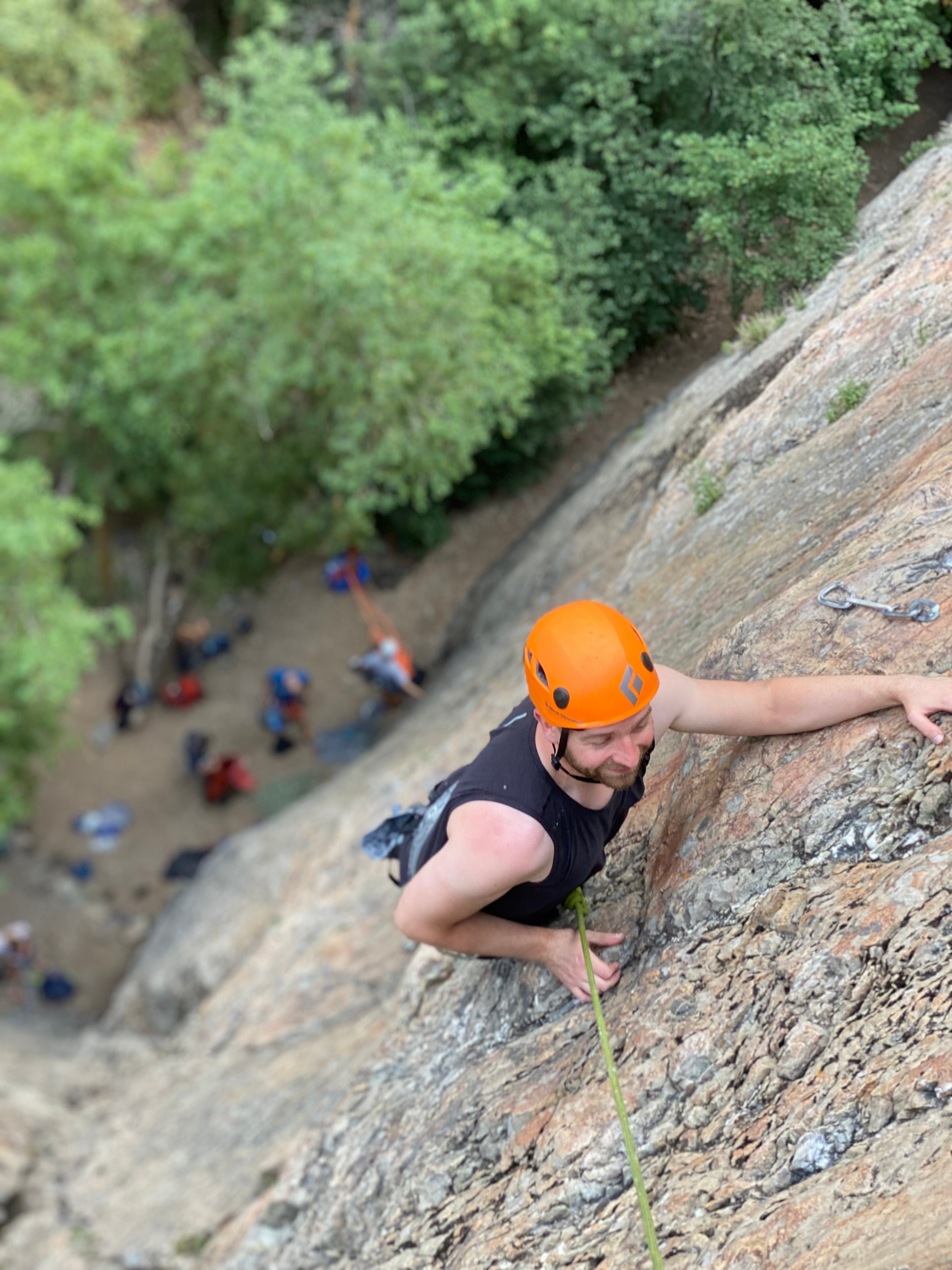
Climbing in Holladay, Utah
Holladay is a compact gateway to a surprising array of climbing: from bolted sport lines hugging limestone and conglomerate walls to high alpine cracks and winter ice nearby. Minutes from Salt Lake City, the neighborhood sits at the foothills of the Wasatch, where short approaches mean half-days on rock and long afternoons in canyons. This guide focuses on climbing access, terrain types, seasonality, and practical advice for visiting climbers—from boulderers and sport climbers to trad teams and mixed/ice alpinists.
Top Climbing Trips in Holladay
9 trips • Book with confidence • Instant confirmation
Why Holladay Is a Climber's Gateway
Holladay sits like a quiet front door to the Wasatch Range—unassuming from the valley floor but threaded with direct, high-value access to canyon crags. For climbers, that proximity is everything: you can leave the city behind in fifteen minutes and be clipping bolts, shaking out at belays, or threading a trad rack into a splitter crack within an hour. The nearby canyons compress variety; within short drives you find pocketed sport walls and short single-pitch trad lines, long multi-pitch ridgelines that scratch the edge of alpine terrain, and winter routes that become ice climbs when cold snaps arrive.
What distinguishes climbing near Holladay is the mix of quick-access opportunities and the larger, wilder options a short drive further upcanyon provides. Beginner parties and roped-sport groups appreciate short approaches and high-density bolting that yield lots of climbing in a compact day. More ambitious climbers use Holladay as a staging ground for early starts into the high Wasatch—approaches that require route-finding, scrambling, long rappels, and seasonal awareness. Bouldering and gym training are integral parts of the local scene: indoor facilities in the valley are strong, and classic boulder problems pepper the lower canyon scrub and talus slopes. This blend makes Holladay a pragmatic stop for a variety of climbing goals: a focused technique session, a long alpine push, or a mixed winter day on frozen cascades.
The cultural context matters too. The Salt Lake climbing community is active and welcoming, with a local ethic that balances recreation and stewardship. Climbers in the Holladay area tend to be mindful of trail erosion, parking limits, and wildlife closures—practices that keep access open. Because many crags sit on public canyon roads or near residential areas, considerate timing, carpooling, and attention to signage are essential. For visiting climbers, that means planning beyond rope work: factor in canyon parking, summer heat on south-facing walls, spring runoff on creek crossings, and the potential for rapid weather changes at higher elevations. When approached with care, Holladay delivers a concentrated climbing experience that feels much bigger than its urban address.
The variety is immediate: short sport pitches for honing technique; technical trad cracks for hands-on gear work; boulder fields for power and movement; and nearby alpine approaches that reward early starts and long stamina. Access to both canyon crags and valley gyms creates a full-season training loop.
Seasonality shapes the choice of objective. Shoulder seasons—late spring and early fall—offer ideal friction and cooler temperatures for hard routes, while summer mornings are best for shaded north-facing lines. Winter compresses the playbook: valley gyms and ice routes higher in the canyons become the focus.
Best Time to Visit
Best Months
Weather Notes
Shoulder seasons bring the best friction and comfortable temps for steep sport and technical trad routes. Summer mornings are excellent on shaded north-facing walls, but afternoons can be hot and subject to thunderstorms. Winter shifts focus to ice and mixed climbing at higher elevations and to indoor training in the valley.
Peak Season
Late spring through early fall for rock climbing and bouldering.
Off-Season Opportunities
Winter yields ice climbs higher in the canyons and fewer crowds; indoor gyms and technique clinics help maintain fitness.
Frequently Asked Questions
Do I need permits to climb near Holladay?
Most day climbing does not require a special permit, but canyon access rules, parking limits, and seasonal closures can apply. Check local land-management websites or canyon signage before you go.
Are there climbing gyms nearby for training?
Yes—Salt Lake Valley hosts several well-equipped climbing gyms that are popular for technique training, warm-ups, and offseason conditioning.
Is rock quality variable?
Yes. The Wasatch contains a mix of limestone, conglomerate, and sandstone pockets. Inspect protection and clipping stances carefully, and consider recent route reports for any loose rock warnings.
When should I avoid climbing?
Avoid cliff approaches during heavy runoff in spring, during active thunderstorms in summer, and when canyon roads are closed for avalanche control in winter. Also be mindful of hot midday sun on south-facing walls in summer.
Choose Your Experience Level
Beginner
Short, well-bolted sport routes and top-rope areas with short approaches are well-suited for beginners. Valley gyms offer instruction and consistent conditions for learning rope systems and technique.
- Top-rope sessions at beginner-friendly crags
- Gym-led intro courses and technique clinics
- Short guided sport climbs with an instructor
Intermediate
Climbers with route-reading skills and some trad knowledge can link multiple pitches, climb longer single-pitch sport routes, and explore local boulder problems. Approach and descent navigation becomes more important.
- Multi-pitch single-day objectives
- Sport endurance routes and project sessions
- Bouldering circuits and crag-to-crag link-ups
Advanced
Advanced parties push into long alpine lines, technical mixed and ice climbs in winter, and committing trad routes that require efficient multi-pitch movement and self-rescue skills.
- Long alpine ascents and early-morning canyon runs
- Mixed/ice routes during suitable winter conditions
- Advanced trad testpieces and complex route-finding
Insider Tips & Local Knowledge
Respect parking rules, approach trails, and seasonal closures; local stewardship keeps access open.
Start early on popular canyon walls to beat heat and parking limits—many crags fill by mid-morning on weekends. Carpool when possible and carry exact-change or pass apps for canyon gates if required. Check recent route and condition reports from local climbing forums or guidebook updates: rockfall and bolt maintenance happen and community beta saves time. For winter objectives, confirm avalanche advisories before heading into higher terrain and bring appropriate winter gear. If you need a refresher, local gyms and guiding services offer half-day clinics that refresh anchor building, lead belay, and trad skills—useful preparation before committing to longer routes. Finally, leave no trace: pack out tape, clipped quickdraws, and chalk remnants; trail erosion near popular approaches is the biggest threat to long-term access.
What to Bring
Essential
- Climbing shoes, harness, helmet
- Full rack for trad or quickdraws for sport (depending on route)
- Belay device, locking carabiners, plenty of slings
- Guidebook or route topo and a charged phone with offline maps
- Water, headlamp, and layered clothing
Recommended
- Approach shoes or light boots for talus and scree
- Tape and hands-on first-aid kit for abrasions
- Helmet spare and tape for emergency fixes
- Small nut tool and a selection of cams for uncertain protection
Optional
- Bouldering pad and brush for local problems
- Lightweight rope tarp or bivy for longer alpine objectives
- Microspikes or light crampons for early spring/winter approaches
Ready for Your Climbing Adventure?
Browse 9 verified trips in Holladay with instant booking
Explore Top 15 Holladay, Utah Adventures →