7

Top 12 Scuba Adventures in Hernando, Florida

Hernando, Florida

Hernando County is a quietly rich scuba destination where spring clarity meets Gulf reefs and nearshore wrecks. Dives range from crisp, freshwater spring swims to saltwater boat trips that explore artificial reefs, surfgrass flats, and occasional deep wrecks just off the coast. This guide focuses solely on scuba—how the water behaves here, what you'll see, and how to plan safe, satisfying dives.

12
Activities
Year-Round (seasonal wildlife restrictions apply)
Best Months

Top Scuba Trips in Hernando

12 trips • Book with confidence • Instant confirmation

Why Hernando Is a Standout Scuba Destination

Hernando's scuba appeal lives at the intersection of two very different aquatic worlds. Inland, the karst springs—among them the famous Weeki Wachee headwaters—deliver startling clarity, steady temperatures, and a unique freshwater ecology. Down the road, the Gulf of Mexico opens into a mosaic of natural reefs, hard-bottom ledges, and deliberately sunk artificial reefs and wrecks that attract a temperate patchwork of marine life. Diving here is not about long wall dives or big pelagic migrations; it’s intimate and variety-driven. A single day can include a cool, buoyant spring swim where visibility feels near-visible in the way a studio photograph is near-tangible, and an afternoon boat ride over a reef where amber jacks cruise and goliath grouper lurk in the shadows.

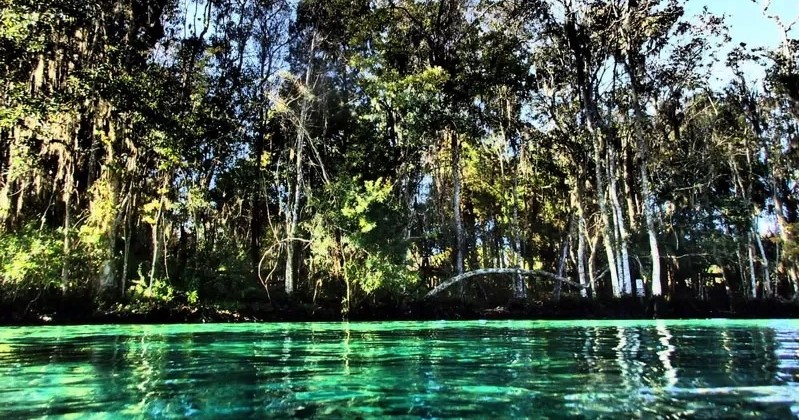
The springs are the region’s signature: a constant 72°F (about 22°C), fresh-water environment, with light shafts and ribboned seagrass at the outflow mixing with tannic-dark river water downstream. For scuba divers, springs offer cavern-edge dives and easy, low-current profiles that are excellent for skill refreshers and macro photography—think translucent shrimps, freshwater fish, and dense aquatic vegetation. Because these are often headspring or spring-run environments, access and permitted activities are tightly managed; many sites only allow diving in specific zones, and cavern or cave penetration requires specialized certifications. On the Gulf side, dive operators run short boat hops to reefs and wrecks off Hernando Beach and nearby ports. These saltwater sites present a different energy: tidal influence, seasonal visibility swings, and a fish community that includes snappers, groupers, rays, and sometimes sea turtles. Visibility is frequently best on calm, low-wind days after frontal passage, and conditions can change with tide and swell.

Hernando’s scuba culture is a pragmatic one—local operators emphasize conservative profiles, current-awareness, and respect for spring habitats and manatee zones. Complementary activities are natural partners: surface intervals spent snorkeling with manatees in nearby rivers (seasonally regulated), kayaking coastal mangroves, or touring state parks to learn about the karst geology that forms these springs. Environmentally, Hernando is a place where diver behavior matters: silted spring vents and anchored boats can damage sensitive habitats, and manatee congregation in winter creates legal and ethical constraints on some water access. For travelers the reward is vivid: clear water with sunlight patterns that feel cinematic, a close-up view of Florida’s shifting coastal ecologies, and a short list of reliable operators who know both the water and the rules. With smart planning—matching certification to site and season—Hernando delivers a compact, diverse scuba itinerary that’s as educational as it is visually striking.

The dual nature of Hernando—freshwater springs and nearby Gulf reefs—lets divers sample two ecosystems in a single trip without long transits.

Local dive operators focus on guided experiences, safety briefings for current and boat traffic, and compliance with seasonal wildlife protections (notably manatee zones during winter).

Visibility, temperature, and current vary by site and season; springs are consistently clear and cool, while Gulf conditions are more variable but support larger fish and reef structure.

Activity focus: Scuba (freshwater springs + nearshore Gulf dives)
Total featured scuba experiences: 12
Springs offer constant water temperatures and exceptional clarity
Gulf dives can include artificial reefs, natural ledges, and shallow wrecks
Seasonal wildlife protections—especially for manatees—affect access during winter months

Best Time to Visit

Best Months

AprilMayJuneSeptemberOctober

Weather Notes

Winters bring cooler air but springs remain a steady ~72°F—ideal for spring dives. Summer brings warmer surface temperatures but also afternoon storms and increased boat traffic; hurricane season (June–November) can temporarily limit Gulf operations. Visibility in the Gulf is often best on low-wind days after frontal passages; springs maintain consistently high visibility year-round unless heavy rains increase river tannins.

Peak Season

Winter attracts non-diving visitors for manatee viewing; summer and late spring are busier for recreational dive trips and family outings.

Off-Season Opportunities

Late fall and winter can be quieter for divers, offering empty boat trips and fewer surface-interval crowds—note that manatee protections and cold fronts can change where and when you can dive.

Frequently Asked Questions

Do I need a special certification to dive Hernando's springs?

Basic open-water certified divers can do many spring-mouth and spring-run dives, but cavern or cave penetration requires cavern/cave-specific training. Always verify site rules with a local operator before planning a penetration dive.

Are there rental shops and guided operators in Hernando?

Yes. Local dive shops and charter operators provide guided tours, gear rental, tanks, and nitrox. Booking in advance is recommended, especially on weekends and holiday periods.

Can I dive if I want to see manatees?

Manatee encounters are primarily a surface activity and are tightly regulated during winter months. Diving in areas where manatees congregate is often restricted; if manatee viewing is a priority, plan a separate snorkel or guided surface trip and respect all protected-area rules.

What are the common hazards for divers here?

Boat traffic near popular launches, variable Gulf currents, and silt in spring runs are the main concerns. Local briefings cover tide, current, and exit points—follow them closely.

Choose Your Experience Level

Beginner

Protected, shallow spring dives and supervised shore entries are ideal for newly certified divers. Calm conditions and predictable temperatures make these sites excellent skill-check locations.

  • Spring-head shallow swim with guided navigation
  • Protected shore-entry reef or hard-bottom dive
  • Refresher buoyancy sessions in clear spring outflow

Intermediate

Boat dives to nearshore reefs, moderate drift dives, and more complex spring runs that require good buoyancy and situational awareness.

  • Guided Gulf reef or artificial-reef boat trip
  • Shore-to-boat combination dives with current awareness
  • Nitrox-enhanced multi-tank day with local operator

Advanced

Deep wreck dives, technical profiles requiring gas planning, and any cave/cavern penetration require advanced or cave certifications and local experience.

  • Advanced deep or wreck dives with a technical operator
  • Cavern-edge training and supervised penetration (certified only)
  • Current-sensitive drift dives off coastal ledges

Insider Tips & Local Knowledge

Check operator rules, manatee-season restrictions, and local weather before every trip.

Book with local dive shops that know the springs' access rules and the Gulf’s tidal rhythm. Start spring dives early for the best light and smallest crowds; midday increases surface activity from swimmers and kayaks. For Gulf trips, ask operators about typical visibility and wind windows—many sites are runnable only on calm days. Respect posted no-entry zones for manatee protection: penalties and boat restrictions are enforced. If you're traveling by air, contact shops ahead of time about tanks and gear rental; many will rent equipment and supply local cylinders to avoid airline hassles. Bring a small tip for crew who handle lines and tanks—this is a small, service-driven community. Finally, leave no trace: avoid finning low over spring vents and anchor on sandy areas rather than seagrass when possible to protect fragile habitats.

What to Bring

Essential

  • Certification card and dive log (always carry them)
  • Mask, snorkel, and fins (even if renting tanks)
  • Exposure protection: 3/2mm wetsuit or equivalent for springs (72°F) and cooler winter surface temps
  • Surface signaling device (SMB/DSMB) and whistle
  • Reef-safe sunscreen and water bottle

Recommended

  • Computer with gas-switching capability or two computers for guided nitrox dives
  • Torch/underwater light for crevices and spring outflows
  • Underwater camera or macro lens for small spring life
  • Slates or small dry bags for boat logistics
  • Rent lightweight aluminum tanks locally if traveling by air

Optional

  • Drybag for reef fish ID cards and surface-interval gear
  • Small reels or safety spool if practicing drift or current navigation
  • Booties for rocky shore entries
  • Personal surface float for visibility during drift/shore dives

Ready for Your Scuba Adventure?

Browse 12 verified trips in Hernando with instant booking

Explore Top 15 Hernando, Florida Adventures →