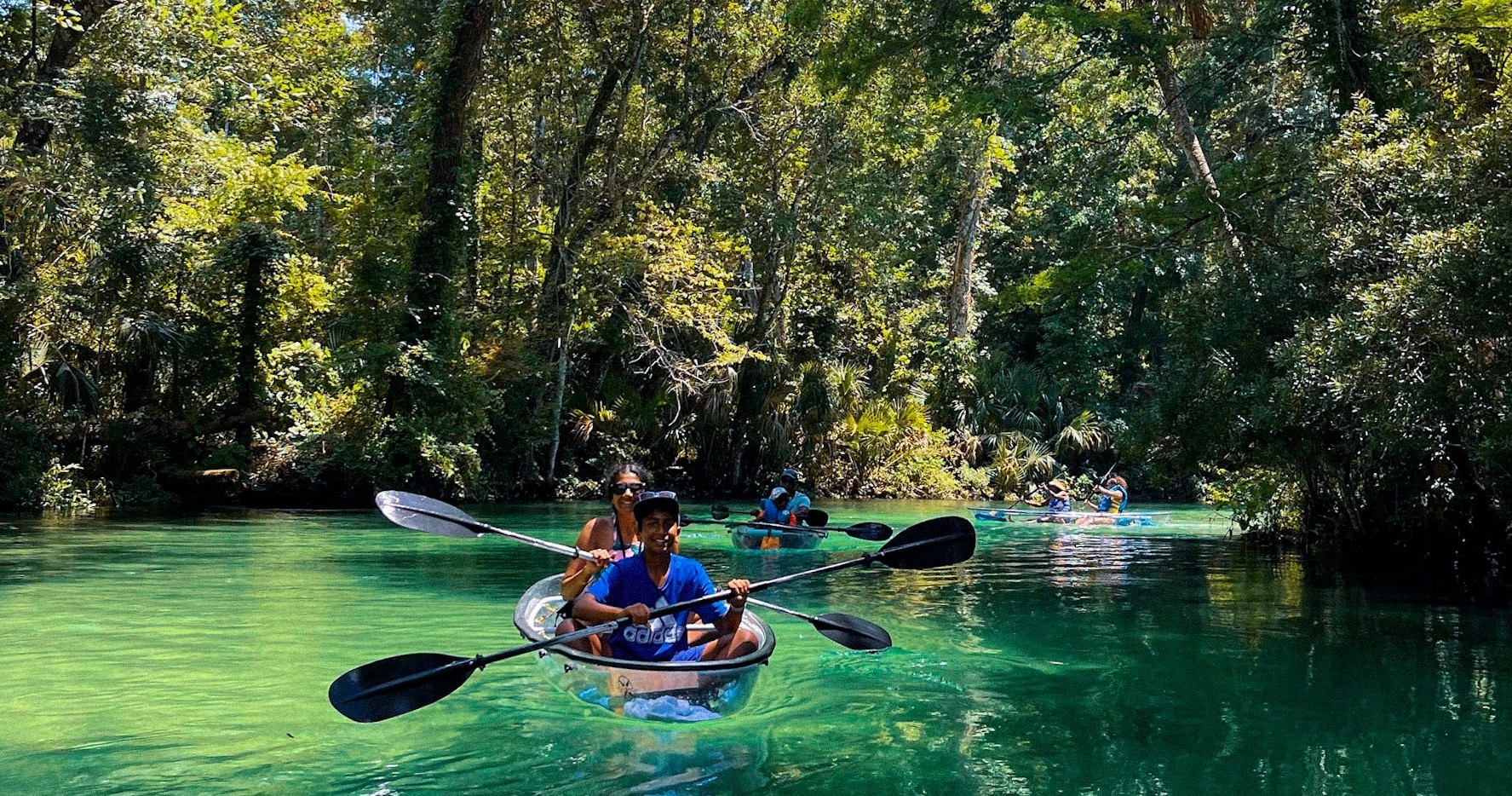
Top Eco Tours in Hernando Beach, Florida
Hernando Beach is a salt-scented gateway to Florida’s subtropical estuaries—shallow bays threaded with mangroves, seagrass meadows that anchor juvenile fisheries, and a sky full of wading birds. Eco tours here are intimate and education-forward: small-group kayak trips that weave through prop-root mazes, guided boat cruises that pause for birding and conch counts, and citizen-science opportunities that pair outdoor time with habitat restoration. Expect low-slung horizons, frequent wildlife sightings, and guides who balance interpretation with quiet observation.
Top Eco Tour Trips in Hernando Beach
30 trips • Book with confidence • Instant confirmation
Why Hernando Beach Is a Standout for Eco Tours
Hernando Beach sits where shallow Gulf waters and freshwater inputs meet to create a mosaic of habitats that are both fragile and astonishingly productive. The shoreline here is not the dramatic cliffline of some coasts; instead it’s a series of low marshes, mangrove fringes, and seagrass flats that feel enormous up close. On an eco tour you quickly learn to read the subtle signs—schools of juvenile fish flickering under a seagrass mat, the ripple where a ray rises, the shadow of a heron stalking the mud. Guides use these quiet moments to teach a different kind of geography: one defined by tidal creeks, nursery grounds, and the ebb-and-flow of seasonal migrations rather than summits and ridgelines.
Because the water is shallow and the wildlife is accustomed to small craft, Hernando Beach delivers near-constant opportunities for intimate encounters. Kayak and paddleboard tours thread into maze-like mangrove channels that open onto sun-baked flats where manatees graze and dolphins hunt the edges. Birding is a throughline on almost every trip—oystercatchers, green herons, limpkin, and migratory warblers all rely on the same intertidal systems. The region’s proximity to freshwater springs and the Weeki Wachee River means eco tours can be layered: a morning boat trip through the harbor followed by an afternoon swim or glass-bottom boat ride in a spring-fed run offers a fuller picture of how freshwater and saltwater systems interconnect.
Equally important to the experience is the human dimension. Local outfitters and environmental organizations in Hernando Beach emphasize stewardship; tours are often framed as low-impact, educational outings that support conservation projects—seagrass monitoring, mangrove plantings, or species counts. That makes a visit feel participatory rather than merely observational. Travelers leave with clear, actionable context: why seagrass matters to fisheries, how mangrove roots buffer storm surge, and what simple behaviors reduce stress on wildlife. This mixture of sensory immersion, scientific explanation, and hands-on conservation is what sets Hernando Beach eco tours apart.
Finally, accessibility is a practical advantage. The calm, protected nature of the nearshore waters makes eco tours approachable for a wide range of people—families, novice paddlers, and older travelers—while offering depth for enthusiasts: night tours that highlight estuarine food webs, longer boat trips that follow dolphin pods, or combined tours that include snorkeling over shallow seagrass. Whether you come to photograph birds at first light or to learn about coastal restoration, Hernando Beach packages the Gulf’s essential stories into small, unforgettable outings.
Tours focus on estuarine habitats: mangroves, seagrass beds, tidal creeks, and nearshore flats—each with distinct wildlife and conservation value.
Local operators often partner with researchers and NGOs, creating opportunities for citizen-science and habitat stewardship.
Because waters are protected and shallow, many eco tours are beginner-friendly but can be tailored for advanced naturalists seeking specialized observation.
Best Time to Visit
Best Months
Weather Notes
Mild winters and warm springs make late fall through spring ideal for comfortable eco tours and peak wildlife viewing. Summers bring higher temperatures, afternoon thunderstorms, and more insects; short, guided morning tours are preferable in summer.
Peak Season
Late fall through early spring (roughly November–April) for bird migration and seasonal manatee sightings.
Off-Season Opportunities
Summer weekdays are quieter and can offer lower prices and private tours; watch for afternoon storms and increased mosquito activity near mangroves.
Frequently Asked Questions
Do I need a permit or license to join an eco tour?
No personal permit is usually required to join a guided eco tour—outfitters handle permits for their operations. If you plan independent fishing or shelling, state saltwater fishing licenses or local shelling rules may apply.
Are eco tours suitable for beginners and families?
Yes. Many operators run beginner-friendly kayak and boat tours designed for families and first-time paddlers. Specify experience levels and mobility needs when booking so guides can recommend the best option.
What happens if the weather is bad on the day of my tour?
Outfitters typically monitor weather closely. Tours may be rescheduled or refunded in cases of dangerous conditions like tropical storms or sustained high winds. Light rain rarely cancels—guides will advise on appropriate gear.
Choose Your Experience Level
Beginner
Short, guided boat cruises and sheltered kayak trips through wide mangrove channels and nearshore flats with minimal paddling and lots of stops for wildlife viewing.
- Half-day mangrove kayak with interpretive stops
- Family-friendly harbor boat eco cruise
- Seagrass-flat snorkeling intro (shallow water)
Intermediate
Longer paddles through tighter mangrove creeks, combined boat-kayak days, and eco tours that require basic paddling skills and some stamina.
- Full-day kayak loop through tidal creeks and flats
- Bird-focused dawn paddle with longer on-water time
- Guided snorkeling trips to nearby springs or deeper flats
Advanced
Specialty outings for experienced paddlers and naturalists: multi-hour open-water crossings, night wildlife or spotlighting tours, and volunteer fieldwork such as seagrass monitoring or mangrove restoration.
- Night estuary tour focused on nocturnal species
- Extended coastal paddle with currents and tidal planning
- Hands-on citizen-science and habitat restoration expeditions
Insider Tips & Local Knowledge
Check tide charts, dress for sun exposure, and respect wildlife viewing distances—many species rely on calm, undisturbed habitats.
For the best wildlife action, time tours near high or outgoing tides when fish and birds concentrate in creeks and channels. Morning light is ideal for photography and cooler temperatures; late afternoon can be quieter and productive for dolphin activity. Book reputable local guides who practice leave-no-trace and support restoration projects—this both improves your experience and benefits the habitat. If manatee viewing is a priority, aim for winter months when animals concentrate in warmer waters; for migratory birdwatching, spring and fall bring passage species to the flats. Finally, bring small cash or card for tips and local donations—many outfitters and non-profits appreciate direct support for monitoring and restoration work.
What to Bring
Essential
- Lightweight, quick-dry clothing and a sun hat
- Water bottle (bring more than you think) and snacks
- Waterproof sunscreen and sunglasses with a retainer
- Closed-toe water shoes or sandals that secure to the foot
- Small dry bag for phone and valuables
Recommended
- Light rain shell or wind layer for breezy mornings
- Binoculars for birding and distant wildlife
- Reusable water bottle with filtration if on longer trips
- Compact camera with zoom and splash protection
Optional
- Insect repellent for mangrove edges in warmer months
- Gloves for volunteer planting or handling restoration materials
- Underwater camera or snorkel gear for seagrass flats
Ready for Your Eco Tour Adventure?
Browse 30 verified trips in Hernando Beach with instant booking
Explore Top 15 Hernando Beach, Florida Adventures →