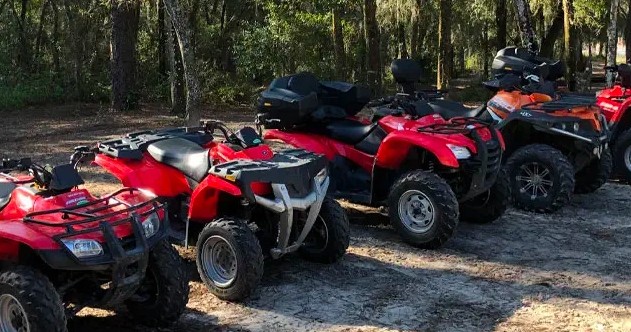
ATV & UTV Adventures in Hernando Beach, Florida
Hernando Beach is a Gulf Coast community where salt-scented breezes mingle with the grit of off-road tracks just inland. ATV and UTV riders who use this town as a base will find low, fast landscapes—pine flatwoods, coastal hammocks, sandy trails and seasonal mud flats—perfect for short loops, technical sand sections, and scenic afternoon rides. While the immediate shoreline is sensitive and often off-limits for vehicle access, the surrounding county offers a mix of private riding areas, legal off-road parks within driving distance, and public forest roads where motorized access is permitted. This guide focuses on practical planning, terrain-specific tips, and how to pair your off-road day with nearby boating, fishing, and paddling for a full coastal-adventure weekend.
Top ATV/UTV Trips in Hernando Beach
12 trips • Book with confidence • Instant confirmation
Why Hernando Beach Works for ATV & UTV Riders
Riding around Hernando Beach feels like a study in contrasts: the salt flats and shallow estuaries of the Gulf sit a short drive from ribbon-like trails that thread pine forests and scrub. For off-road enthusiasts who favor low-country landscapes, this is a place to ride with bagged dunes underfoot one minute and mud-splattered sandy loops the next. The terrain tends to be forgiving—minimal elevation and wide sightlines—but that same simplicity hides variables that demand respect: tidal flats, spongey sand that can trap tires, and seasonal wetlands that expand after storm systems.
Culturally, Hernando Beach is quietly rooted in coastal trades—fishing, boating, and outdoor recreation. That local rhythm means your ride days pair well with a morning of river kayaking or an afternoon fishing the shallow Gulf. The region’s history, from indigenous shell middens to 20th-century coastal hamlets, is easiest to appreciate at the pace of a late-afternoon trail run when light softens the pines. Environmentally, the area is ecologically sensitive; many coastal parcels are habitat for shorebirds and mangrove systems. Responsible riders follow designated routes, avoid dunes and marsh edges, and use established staging areas.
From a planning standpoint, Hernando Beach is best thought of as a gateway rather than a single destination for off-roading. You’ll base in town, source fuel and supplies, and commute a short distance to authorized riding zones, club trails, or private parks. That makes logistics straightforward but elevates the importance of pre-ride checks: verify trail permissions, confirm tide and weather forecasts when close to shore, and coordinate with rental or guide operators if you’re unfamiliar with Florida sand dynamics. For riders who come prepared—proper tires, recovery gear, and a clear respect for seasonal closures—the Hernando Beach corridor offers quiet roads, scenic shallow-water views, and a coastal riding rhythm that’s both accessible for newcomers and rewarding for seasoned UTV pilots.
The flatter coastal terrain favors technical sand handling and mud play rather than sustained climbs—expect traction work, sand-line strategy, and frequent gear checks.
Pair off-road days with the area’s other low-country activities: inshore fishing, shelling, and paddleboarding are natural complements and allow you to rotate between dusty and damp pursuits.
Because habitat sensitivity is high, many of the most scenic coastal zones are off-limits to motor vehicles; always use designated trails and private off-road parks where available.
Best Time to Visit
Best Months
Weather Notes
Winters and early spring are cooler and drier—ideal for longer rides. Summers are hot and humid with frequent afternoon storms; Hurricane season (June–November) can bring heavy rain, flooding, and changing trail access. Wet-season conditions often create excellent mud runs but can also close trails or make recoveries riskier.
Peak Season
Late fall through early spring (November–April) when temperatures are milder and bugs are reduced.
Off-Season Opportunities
Summer and early fall can offer secluded rides and deep-mud play for those prepared for heat and rapid weather shifts; always check closures after tropical weather.
Frequently Asked Questions
Do I need permits to ride ATVs or UTVs near Hernando Beach?
Permit requirements vary by land manager and property owner. Some state forest roads and designated ORV areas require registration or permits; private riding parks require a paid day pass. Confirm with local authorities or the operator of a park before heading out.
Are rentals available in Hernando Beach?
Rental availability fluctuates; some nearby towns and private operators offer UTV and ATV rentals. If you need a rental, book in advance and verify what protective gear and insurance coverage are included.
Is it legal to drive on Hernando Beach shoreline?
Shoreline driving is commonly restricted to protect dunes and wildlife habitat. Avoid driving on beaches and tidal flats unless explicitly authorized by local regulations. When in doubt, use established staging areas and designated trails.
Choose Your Experience Level
Beginner
Short, flat loops on packed sand or maintained trails with gentle turns. Ideal for learning throttle control, basic recovery, and riding etiquette.
- Introductory sand-traffic loop on maintained park trails
- Guided half-day UTV orientation and coastal viewpoint run
- Short beachside access rides where permitted
Intermediate
Longer rides with varied surfaces: loose sand, mud pockets, and narrow forest tracks. Emphasis on tire-pressure tuning, line choice, and basic recovery techniques.
- Multi-hour inland sand and flatwoods loop
- Mud-run sessions in wetter terrain
- Mixed-surface rides combined with river or estuary viewpoints
Advanced
Extended back-to-back technical runs that demand precise sand handling, frequent recoveries, and coordination for multi-vehicle groups. Expect navigation across private trail networks and long distances from services.
- All-day UTV expedition through county trail networks
- Technical sand handling course with deep soft-sand sections
- Recovery-practice days with complex extraction scenarios
Insider Tips & Local Knowledge
Check permissions, tide charts, and weather forecasts before every ride; coastal and wetland areas change rapidly.
Start rides early to avoid afternoon heat and thunderstorms. Lower tire pressure for sand stretches and raise it for hard-packed trails—carry an on-trail compressor to re-inflate tires before road travel. Always ride with a partner or group and agree on a check-in plan; cell service can be spotty in low-lying marsh corridors. Protect fragile shorelines: avoid dunes and mangroves, and haul out any trash. If you're new to Florida sand, take a short course or guided trip to learn soft-sand technique and recovery etiquette. Finally, respect private-property signs—some of the most tempting shoreline routes are privately owned and off-limits; local shops or clubs can point you toward legal alternatives.
What to Bring
Essential
- DOT-certified helmet (for ATVs) or full-face helmet (recommended for UTV passengers)
- Eye protection and gloves
- Tire pressure gauge and portable air compressor
- Tow strap, D-shackles, and basic recovery kit
- Plenty of water and sun protection (sunscreen, hat)
Recommended
- Spare belts or common parts for your machine
- GPS device or offline map of permitted routes
- First-aid kit and basic tool kit
- Phone with local SIM or reliable cell plan and a power bank
- Bug spray—mosquitoes increase near marsh edges
Optional
- Foldable shovel for sand digs
- Soft shackles and a winch if you expect deep mud
- Compact dry bag for electronics during coastal runs
- Binoculars for bird and wildlife spotting
Ready for Your ATV/UTV Adventure?
Browse 12 verified trips in Hernando Beach with instant booking
Explore Top 15 Hernando Beach, Florida Adventures →