1

Top 18 Airplane Experiences in Hayward, California

Hayward, California

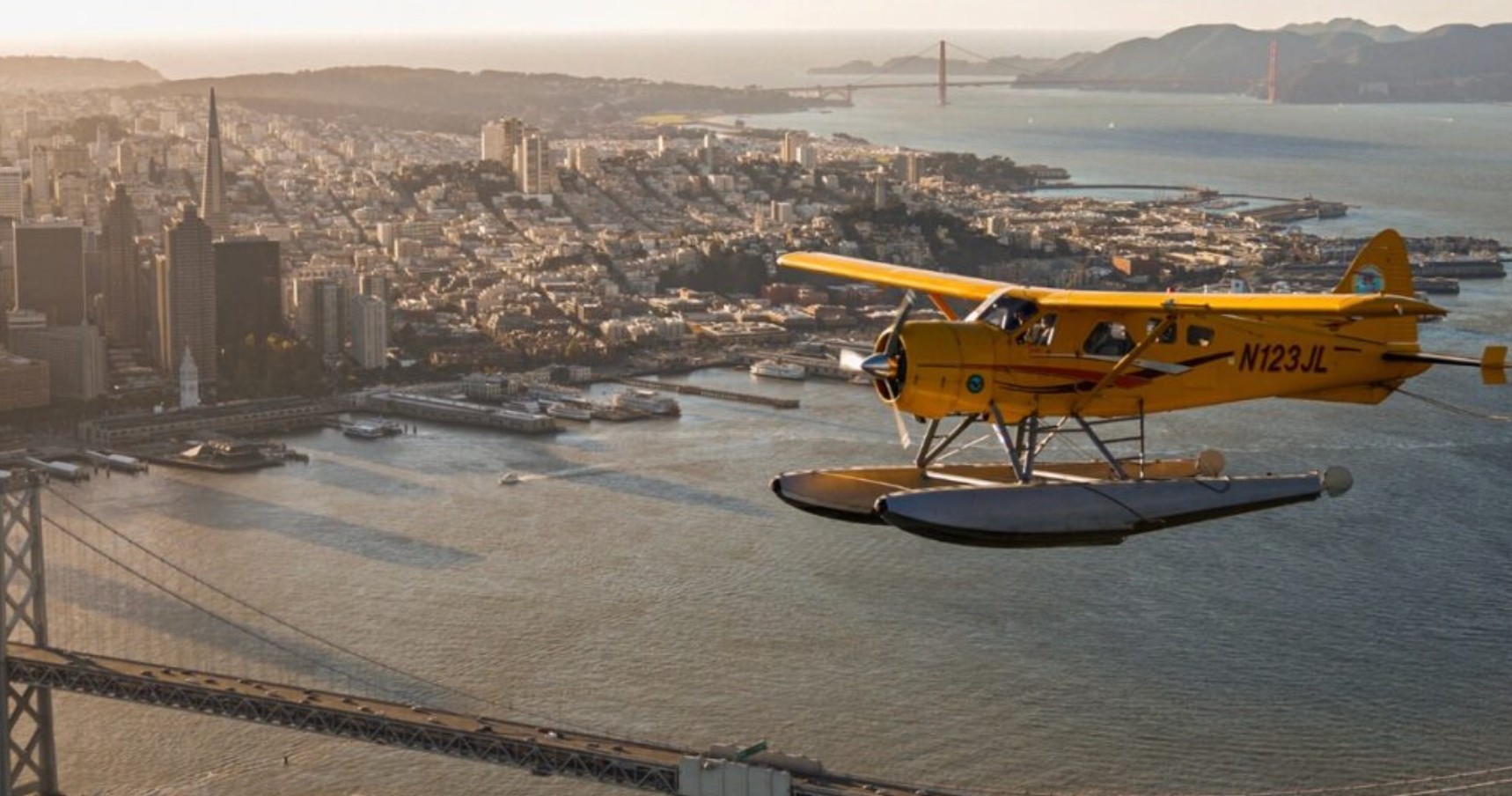
Hayward's airplane scene lives at the intersection of urban convenience and Bay‑side airspace. From discovery flights over the water to flight‑school circuits around the East Bay hills, airplane experiences here offer low‑altitude panoramas of salt marshes, the Dumbarton Bridge, and the San Francisco skyline. This guide curates scenic rides, training flights, plane‑spotting vantage points, and complementary aerial photography opportunities suited to both curious first‑time flyers and pilots sharpening practical skills.

18
Activities
Year‑Round (best clarity late summer–fall)
Best Months

Top Airplane Trips in Hayward

18 trips • Book with confidence • Instant confirmation

Why Hayward Is a Standout Place for Airplane Experiences

There is a distinct frisson when a small propeller airplane lifts from a neighborhood airport and the world below rearranges itself into geometry: the salt marshes become a patchwork of silver and reed, the shoreline a thin, gleaming seam, and the familiar jumble of roads and rooftops recedes into an elegant map. Hayward, perched on the eastern edge of San Francisco Bay, specializes in that reordering. It is a place where the intimacy of general aviation—small cockpits, personable pilots, and low‑altitude sightlines—meets the dramatic backdrop of the Bay Area, so you get the kind of immediate, cinematic perspective that only a short airplane ride can deliver. For travelers seeking an aerial vantage rather than a mere transfer, Hayward offers a practical, low‑friction access point: compact airport operations, proximity to metropolitan centers, and a mix of flight offerings from discovery rides to curriculum‑oriented training sessions.

Beyond the spectacle, Hayward's airplane culture is quietly practical. The city sits under a layered mix of coastal weather systems and inland thermals that shape flight windows differently than in the nearby hills—mornings can be calm under a marine layer, while afternoons bring clearer air and better visibility later in the season. That creates options: early bird scenic flights to catch the low light over tidal flats; midday training circuits when winds settle; and golden‑hour aerial photos with the city skyline softened by slant light. There’s also a civic, hands‑on vibe around aviation in Hayward—flight schools, maintenance shops, private hangars—so the experience is as educational as it is scenic. For photographers, pilots, and curious travelers alike, airplane activities here are not just about the view but the craft: preflight checks, runway rhythms, and the small rituals that make aviation feel like a practiced conversation between machine and landscape. Finally, Hayward’s location is strategic. A short hop across the bay transforms an afternoon into a memorable aerial loop; a longer training session builds real piloting skills without the congestion of major commercial hubs. In short, Hayward packages big‑bay drama into approachable airplane experiences—accessible, adaptable, and distinctively Bay Area in character.

Hayward’s airplane offerings range from short discovery flights and aerial photography charters to flight training and plane‑spotting along the bay—each experience emphasizes low‑altitude panoramas and quick access.

Weather windows are local: expect fog or marine layer in cooler months and often better clarity in late summer through fall; pilots and operators plan accordingly.

Because operations are primarily general aviation, expect smaller aircraft and more personalized flights compared with larger tour operators based in major airports.

Activity focus: Small‑aircraft flights, discovery flights, flight training, and aerial photography
Primary base: Hayward Executive Airport (general aviation hub)
Best visibility: late summer and fall; mornings can be foggy in cooler months
Complementary activities: plane‑spotting, maritime refuge birdwatching from the shore, aerial photography workshops
Accessibility: short drives from Hayward downtown and surrounding East Bay cities; parking and short walk to terminal areas

Best Time to Visit

Best Months

SeptemberOctoberMayJuneJulyAugust

Weather Notes

Hayward sits beside the bay; mornings frequently have a marine layer that can reduce visibility and bring cooler temperatures. Late summer and fall typically offer the clearest flying conditions and the best long‑distance visibility. Winds pick up in the afternoon during some seasonal patterns—pilots schedule scenic and training flights around local wind patterns.

Peak Season

Late summer through fall weekends—clear skies and calm winds increase demand for scenic flights.

Off-Season Opportunities

Winter and spring mornings may offer quieter airport activity and lower demand for discovery flights; however, fog and low ceilings can cause delays or cancellations.

Frequently Asked Questions

Do I need any special documents or certification to take a discovery flight?

Most operators require a government photo ID for passenger verification. No pilot certification is needed to ride as a passenger on sightseeing or discovery flights.

Are airplane experiences suitable for kids or infants?

Many operators allow children but ask that parents check age, weight, and seating restrictions in advance. Car seats are generally not used in small aircraft—confirm safety policies with the operator before booking.

What should I expect if weather changes?

General aviation flights are sensitive to local ceilings, visibility, and wind. Operators will reschedule or refund canceled flights; confirm their weather policy when you book and allow flexible time in your itinerary.

Choose Your Experience Level

Beginner

Ideal for first‑time flyers and curious travelers: short discovery flights, introductory aerial tours, and plane‑spotting sessions from safe shore vantage points.

  • 20–40 minute discovery/aerial tour over the Bay
  • Shoreline plane‑spotting at Hayward waterfront or Eden Landing
  • Introductory orientation flight with a flight instructor (non‑certification)

Intermediate

For those with some familiarity or looking to learn: introductory flight lessons, tailored aerial photography sorties, and repeated scenic flights to practice framing shots or build comfort.

  • First‑lesson dual flight toward a private pilot certificate
  • Aerial photography session focusing on shoreline and urban composition
  • Local cross‑country planning and short navigational hops

Advanced

Pilots and experienced enthusiasts can use Hayward for complex training, instrument practice in nearby controlled airspace, and deeper technical flights—coordination with local FBOs and instructors is typical.

  • Instrument‑procedures training and hood work in controlled airspace
  • Complex/tailwheel endorsements with certified instructors
  • Advanced aerial survey or commercial‑operation planning (requires operator arrangements)

Insider Tips & Local Knowledge

Confirm booking, payload/weight limits, and specific operator boarding requirements before your flight.

Book morning flights in late spring and summer if you prefer calmer air and softer light; for the clearest long‑range views, aim for late summer and fall. Always check the operator’s policies on cameras, phones, and baggage—small aircraft have limited space and weight considerations. If you’re photographing from an open door or window, discuss safety protocols with the pilot beforehand. For pilots training in the area: coordinate with local flight schools about pattern work times to avoid peak training windows, and be mindful of nearby controlled airspace around the larger Bay Area airports. Lastly, factor in ground logistics—Hayward’s airport area has short walks from parking to FBOs, but public transit is limited; plan transport accordingly.

What to Bring

Essential

  • Government photo ID (required for boarding many small aircraft ops)
  • Comfortable layered clothing (cockpits can be cool even in summer)
  • Sunglasses and sun protection
  • Compact camera with strap (or smartphone secured with a tether)
  • Closed‑toe shoes

Recommended

  • Light windbreaker—cockpit breezes and bay winds can be cooler
  • Headphones or earplugs (operators often provide flight headsets)
  • Small daypack for essentials
  • Motion‑sickness medication if you’re prone to airsickness
  • A charged phone and extra memory cards for photography

Optional

  • Binoculars for shoreline and birding views
  • Notebook for notes if on a discovery flight or introductory lesson
  • Light gloves for cooler early‑morning flights

Ready for Your Airplane Adventure?

Browse 18 verified trips in Hayward with instant booking

Explore Top 15 Hayward, California Adventures →