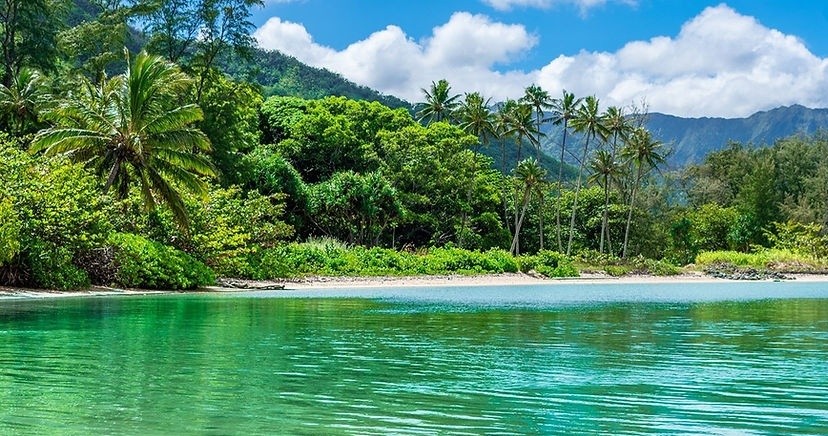
Standup Paddleboarding (SUP) in Hauula, Hawaii
Hauula SUP Guide

Standup Paddleboarding (SUP) in Hauula, Hawaii

Hauula sits on Oahu’s windward coast as an intimate, reef‑framed stage for all forms of standup paddling. From glassy morning flatwater that invites first‑time paddlers to reef‑edge exploration and surfable points when the winter swell turns, Hauula’s coastline offers a varied SUP palette. Expect clear water, abundant marine life, and a small‑town Hawaiian coastal rhythm that keeps the focus on the ocean.

Windward OahuHauula BayFringing Coral Reefs

Live destination inventory

Top SUP Trips in Hauula

81 trips · Book with confidence · Instant confirmation

The prototype intentionally does not invent replacement trip cards or add images that are not already part of the live source page.

The city from the water

Why Hauula Is Exceptional for SUP

Hauula’s coastline feels like a quiet chapter of Oahu where the ocean writes the itinerary. Large, exposed beaches give way to pockets of protected reef and shallow lagoons; at dawn the water can be as still as glass, reflecting a sky of cottony trade clouds, and by afternoon the steady east winds sculpt clean chop that tests balance and rewards technique. That variability—calm bays for skill building, reef edges for snorkeling from your board, and seasonal surf for SUP‑surfing—creates an approachable progression for paddlers of all levels. This place also carries a deeper current: the relationship between people and sea here is longstanding. The windward coast’s communities grew up with an ahupuaʻa understanding of ocean stewardship—fishing, fishponds, and coastal access form part of the local story. For visiting paddlers, a respectful approach toward reef habitat and marine life is essential. In practical terms that means reef‑safe sunscreen, careful boarding and dismounting to avoid coral, and reading currents and swell before you push off. From a traveler's perspective, Hauula’s appeal is the balance of accessibility and solitude. It’s close enough to Honolulu for a morning trip but distant enough that parking and beach space feel less contested than at Oahu’s west and south shores. That relative calm is useful: instructors can safely coach beginners just offshore, families can learn in buoyant, forgiving conditions, and experienced paddlers can use the reef line and nearby points to practice ocean handling and downwind runs when conditions allow. Complementary activities make SUP in Hauula an efficient and satisfying day: after a paddle, you can snorkel directly from your board at reef breaks, explore shoreline tide pools, or take short coastal walks. Local outfitters provide rentals and guided ecology paddles, and many lessons pair basic technique with brief marine-naturalist instruction, so you’re not only standing but also learning to read the water and the life within it. Whether you come for smooth flatwater laps, a reef safari, or the occasional surfable set, Hauula gives SUP a congenial, well‑balanced setting that rewards curiosity, care, and a respect for island rhythms.

Varied paddling: calm lagoon paddles, reef exploration, and seasonal surf sessions.

Ecosystem focus: fringing reefs and nearshore marine life make for excellent snorkel-from-board opportunities.

The harbor is the gateway, and the Pacific becomes the classroom.

Local access: quieter beaches than Honolulu with easy roadside parking and nearby rental options.

Activity focus

Choose by purpose

Whale watching, snorkeling, sunset sailing, cultural canoeing, harbor sightseeing, or private chartering.

Departure hubs

Start near the city

Waikiki and Honolulu Harbor are primary hubs, with some trips launching near Hanauma Bay.

Accessibility

Confirm the vessel

Gangways, shaded seating, and boarding requirements vary according to vessel size and operator.

Seasonal planning

Best Time to Visit

Hauula is warm year-round, but wind, swell, migration, visibility, and demand change the best match between traveler and trip.

Hauula boat tour
Year-round destination

Seasonal highlights change the reason to go

Winter favors humpback encounters; warmer, calmer months favor snorkeling visibility and smoother water.

Humpback season

Summer and early fall see the most consistent calm days for flatwater paddling and family lessons.

Prime whale watching, winter holidays, higher demand, and earlier sell-outs.

Snorkeling window

May–June–July–August–September–October

Typically gentler seas and clearer water for snorkeling trips.

Weather notes

Trade winds year-round

Trade winds typically pick up in late morning through afternoon; summer months (May–October) offer calmer swell and glassier mornings. Winter months bring larger north and northwest swells that can create surfable conditions for experienced paddlers but strong currents and shorebreak for novices.

Quieter opportunities

Late spring & summer weekdays

Winter is ideal for experienced SUP‑surfers seeking bigger waves and stronger downwind runs; early mornings year‑round provide the calmest conditions.

Match the trip to your comfort

Choose Your Experience Level

Low effort

Beginner

Flatwater paddles in protected coves and shallow reef‑lagoon areas—ideal for learning balance, strokes, and basic safety.

  • Calm morning bay lesson
  • Shallow reef lagoon exploration with snorkel stops
  • Guided family paddle with an instructor
Active day trip

Intermediate

Longer coastal paddles, reef‑edge navigation, and paddling in light trade winds—requires confident board control and awareness of tide and reef features.

  • Coastal reef‑line paddle with short snorkel breaks
  • Downwind practice in steady trade winds
  • Multi‑stop paddles combining beach access and rocky points
Longer or technical

Advanced

SUP‑surfing seasonal breaks, exposed downwind runs, and technical reef launches—demands strong ocean reading, surf experience, and rescue skills.

  • SUP‑surf sessions on winter swell days
  • Extended downwind runs along the windward coast
  • Technical reef launches and surf takeoffs

Prepare for sun, spray, and swell

What to Bring

Essential

Core kit

  • PFD (wear or stow depending on local rules) and leash (coiled for surf conditions)
  • Board suited to the session (inflatable or all‑around for beginners; surf SUP for waves)
  • Reef‑safe sunscreen and sun protection (hat, UV shirt)
  • Dry bag for phone, keys, and park permit if required
  • Plenty of water and a light snack
Recommended

Useful extras

  • Water shoes or reef booties for shallow launches
  • Light wind jacket for afternoon trade winds
  • Basic repair kit for inflatable boards
  • Compact first‑aid kit and whistle for safety
Optional

Trip-specific

  • Mask and snorkel for reef exploration from the board
  • Camera or action cam mounted to the board
  • Tide chart or app with local tide and swell info
Check real‑time wind, tide, and surf reports; observe local paddlers and follow reef etiquette.

Insider Tips & Local Knowledge

Reserve whale-watching and popular sunset cruises well ahead during December–April.
Choose morning snorkeling departures for calmer seas and better underwater visibility.
For motion sensitivity, choose a larger vessel, sit mid-ship, and take preventative medication before boarding.
Do not touch coral or wildlife, avoid standing on reefs, and use reef-safe sunscreen.
Community-based operators may add context about traditional navigation and stewardship.
Arrive early for parking and check-in because Waikiki departure areas can be busy.

Planning questions

Frequently Asked Questions

Most casual day paddling does not require a special permit. If you plan an organized commercial tour or event, check local county regulations and park rules; when in doubt, contact the local county parks office or a reputable outfitter.
Standup Paddleboarding (SUP) in Hauula, Hawaii
Ready for your sup adventure?

Browse 81 verified trips in Hauula.

Compare current availability and book with instant confirmation.

Explore Hauula sup