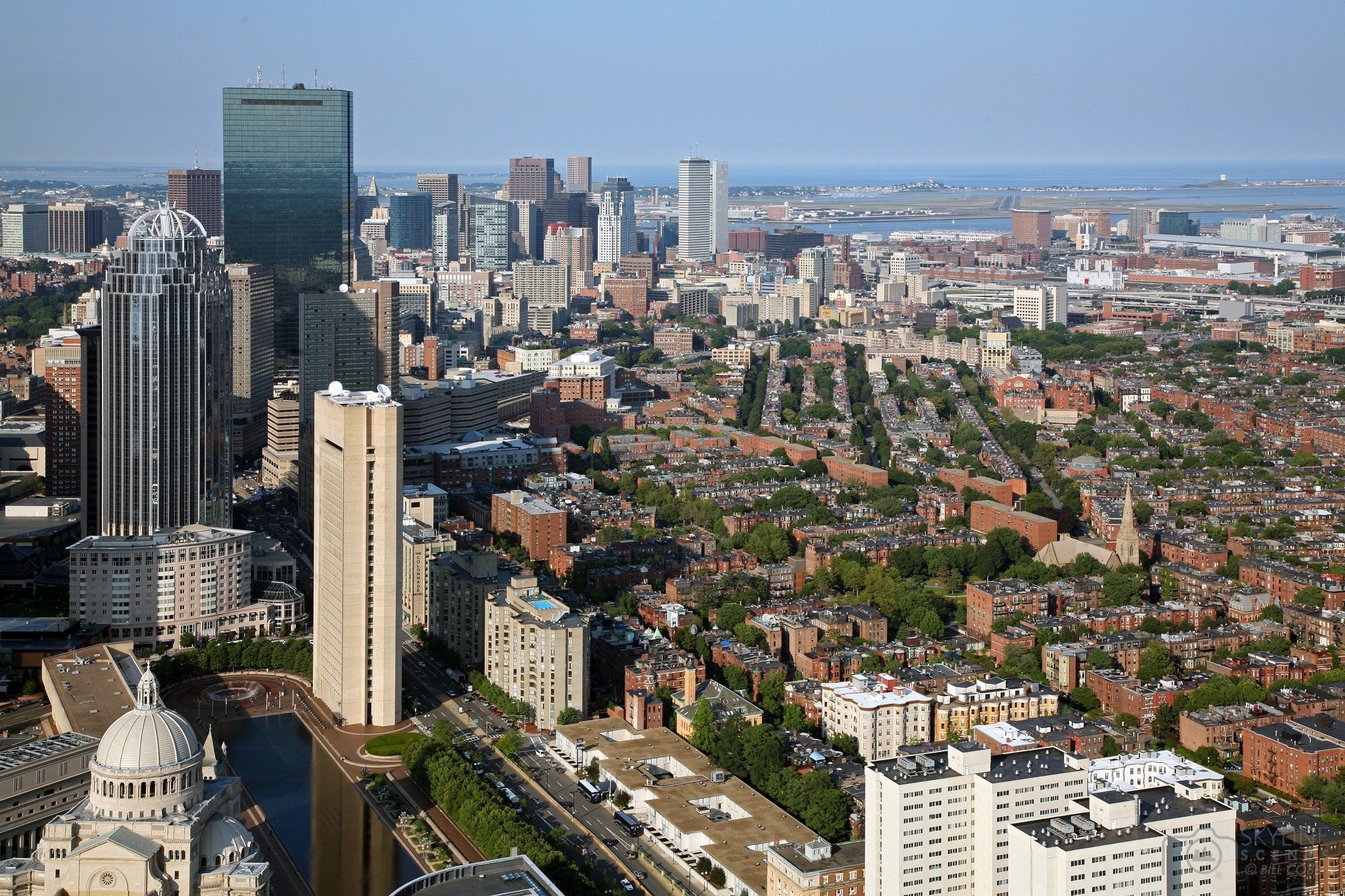
Top Photography Tours in Harvard, Massachusetts
Harvard, a quietly photogenic New England town, condenses classic seasonal contrasts into compact miles: orchard-lined lanes, historic steeples, reflective ponds, and wide views across working farmland. Photography tours here favor deliberate light — dawn over misty fields, golden-hour steeple silhouettes, and fog-laced wetlands — and pair technical instruction with local access to the town’s most frame-ready corners.
Top Photography Tour Trips in Harvard
8 trips • Book with confidence • Instant confirmation
Why Harvard Is a Compelling Place for a Photography Tour
There’s a quiet architecture to Harvard’s light. Narrow lanes fold into hedgerows, stone walls run like pencil strokes across fields, and church steeples punctuate horizontal farmland in a way that rewards both the wide-angle and the long lens. For photographers, that geometry—coupled with strongly seasonal color shifts—turns each visit into a small, concentrated survey of New England’s most photographable elements. A photography tour here is less about chasing dramatic alpine vistas and more about slow, observational work: finding the interplay between human-made textures and the changing natural stage.
In spring the town loosens with watery green: apple blossoms flare in orchard rows, vernal pools mirror shifting skies, and early morning fog clings to low-lying meadowlands. Summer lays in deeper greens and late-light possibilities — dragonflies, backlit hay, and shadowed lanes that frame architectural details. But the calendar’s true theater is fall, when sugar maples and white oaks flare across hills and the harvest season adds pumpkins, raked hay, and farmstands to the photographer’s palette. Winter strips scenes to lines and light: skeletal branches, rime on stone walls, and sunrise tones that glow off low-angled snow.
A guided photography tour in Harvard typically balances on-location instruction with curated access. Local guides know when a roadside orchard will yield a perfect foreground, which pond offers the quietest reflections at first light, and how to time shoots around farming activity so you’re capturing character rather than interrupting work. Tours also help you translate the town’s subtler subjects—weathered barn facades, peeling paint, patterning of plowed rows—into compelling images through composition, depth control, and textural emphasis.
Beyond static landscapes, Harvard’s proximity to open water, woodland edges, and conservation parcels makes it a practical base for layering complementary activities: birding and macro sessions in spring, twilight star-scapes from nearby higher ground, and short hikes to vantage points that expand the town’s visual vocabulary. Whether you’re a beginning enthusiast learning about exposure and composition or an experienced shooter refining a personal project, a photography tour here is about patience and place—tuning your eye to a compact landscape that rewards repeated visits and thoughtful observation.
Small-town scale: Distances between prime shoots are short—most tour itineraries are easily walkable or a short drive apart, letting photographers work light and revisit scenes in changing light.
Seasonal variety: Spring blossoms, summer green, fall foliage, and winter minimalism each reshape the same lanes, offering repeat-visit value for multi-season projects.
Complementary activities: Pair your shoot with birdwatching, orchard visits, or a short climb on nearby Wachusett for broader vistas and night-sky options.
Best Time to Visit
Best Months
Weather Notes
Spring and fall give the most consistent, photographically flattering light and color. Summer provides lush greens but can bring bright midday contrast; morning fogs offer soft scenes. Winters are stark and graphic but require cold-weather preparedness.
Peak Season
October (fall foliage) brings the most vivid color and the highest local visitation.
Off-Season Opportunities
Cold winter mornings can yield clear, low-angle light and empty lanes for minimalist compositions; weekdays in late spring offer quiet access during blossom season.
Frequently Asked Questions
Do I need permits to photograph on a guided tour?
Most guided photography tours operate with permission for the specific private or conserved sites they visit; if you plan independent shooting on private property, request permission from landowners. Drone operation often requires separate clearance.
Are tours suitable for beginners?
Yes. Many tours are tailored to a range of abilities, offering hands-on instruction in composition, exposure, and field techniques while keeping walking and technical demands accessible.
Can I combine a photography tour with other outdoor activities?
Absolutely. Birding, short nature walks, and seasonal farm visits are common complements. If you want to add a nearby summit or night-sky session, check tour descriptions for added difficulty and timing.
Choose Your Experience Level
Beginner
Short, accessible shoots with emphasis on composition, basic exposure control, and simple gear setups. Lots of on-site guidance and minimal hiking.
- Sunrise orchard and village-green session
- Steeple and streetscape composition workshop
- Beginner-friendly reflection and pond studies
Intermediate
Dawn-to-dusk day tours that combine scouting with timed golden-hour shoots, intermediate field techniques like bracketing and blending, and short walks to viewpoints.
- Full-day seasonal color tour with scouting stops
- Golden-hour barn and field light workshop
- Macro and detail photography in meadow & edge habitats
Advanced
Project-focused shoots, multi-session workshops, and technical sessions covering long exposures, advanced post-processing, and location timing for complex light situations.
- Multi-session fall foliage portfolio development
- Night-sky and Milky Way composition from nearby high ground
- Long-exposure water and weather-study sessions
Insider Tips & Local Knowledge
Respect private property and farming schedules; many of Harvard’s best frames sit on or near working land.
Start before sunrise for the softest light and the most reflective water surfaces. Scout locations mid-day if you’re new to the area so you can return with precise timing for golden hour. Drive slowly on narrow lanes and use pullouts when stopping; many classic compositions are visible from the roadside. Ask permission politely if you wish to photograph people at farmstands or private homes; local vendors often welcome respectful coverage. For fall shoots, book tours or local accommodation early—weekends fill quickly. If you plan to fly a drone, verify both FAA rules and any local restrictions; many tours will explicitly prohibit drones to preserve privacy and prevent disturbance. Finally, pack for changing conditions: layered clothing, waterproof footwear, and a small field kit of cleaning supplies will keep both you and your gear ready for whatever the New England weather brings.
What to Bring
Essential
- Camera body and two lenses (wide-angle and short-telephoto/standard)
- Sturdy tripod for low-light and long exposures
- Spare batteries and multiple memory cards
- Weather protection for your camera (rain cover, plastic bags)
- Comfortable layers and sturdy walking shoes
Recommended
- Circular polarizer and neutral-density filter
- Remote shutter release or intervalometer
- Lens cloths and small blower for dust/ pollen
- Compact stool or mat for low-angle compositions
- Headlamp for pre-dawn starts
Optional
- Drone (check local regulations and private property rules)
- Macro lens for blossoms, fungi, and texture studies
- Portable reflector for group portrait touch-ups
- Notebook or device for location notes and shot lists
Ready for Your Photography Tour Adventure?
Browse 8 verified trips in Harvard with instant booking
Explore Top 15 Harvard, Massachusetts Adventures →