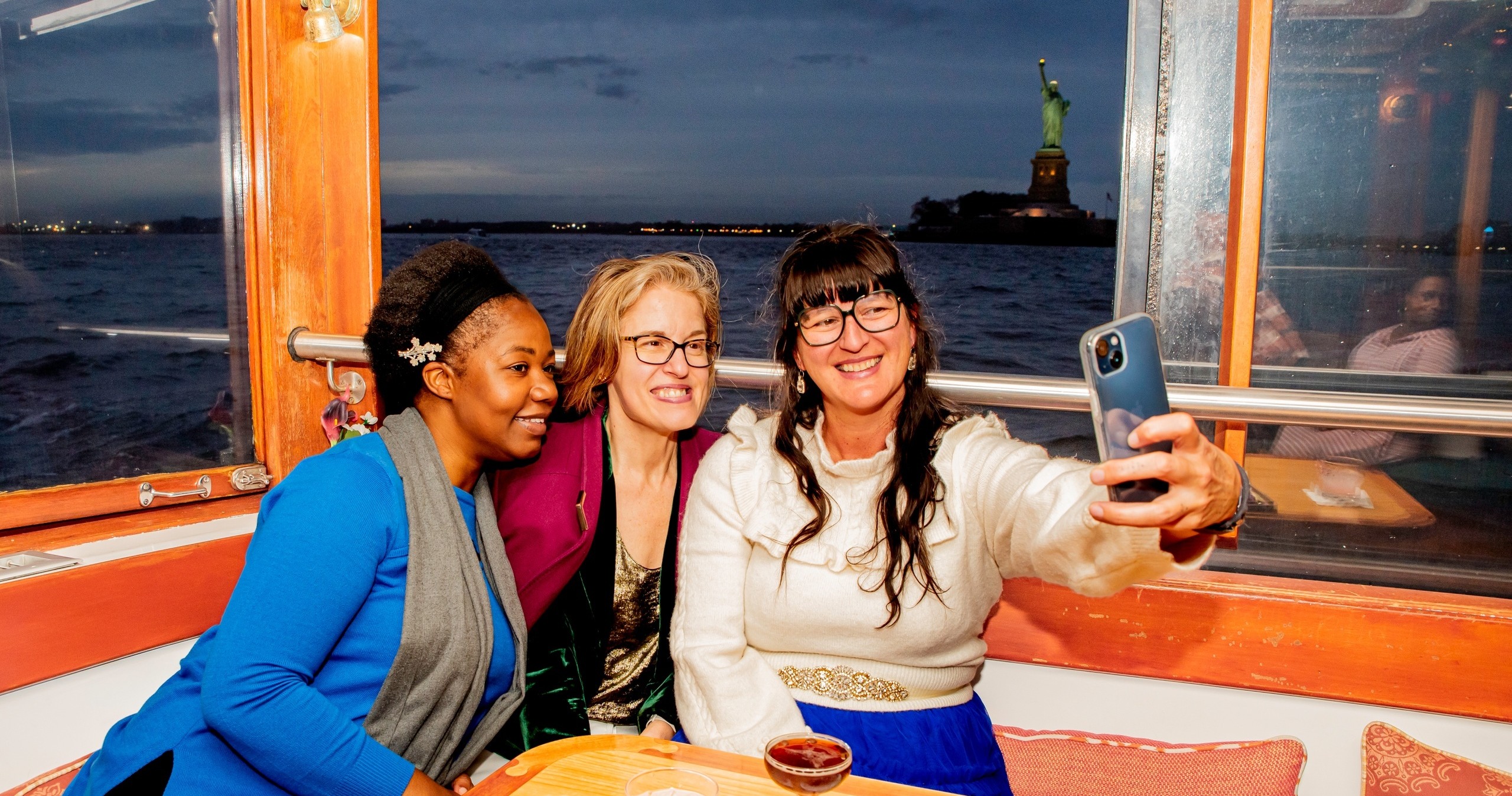
Top Sailing Adventures in Harrison, New Jersey
Harrison Sailing Guide

Top Sailing Adventures in Harrison, New Jersey

Harrison’s waters are urban and elemental: narrow river channels, tidal flats, and quick access to the wide expanse of Newark Bay and beyond. Sailing here means negotiating currents under bridges, slipping past industrial skylines into open water, and using the estuary as a training ground for both first-time sailors and experienced crews aiming for coastal hops or harbor races. Short day sails, learn-to-sail clinics, evening cruises, and regattas all use Harrison as a practical base for hands-on, tidal sailing within minutes of New York City.

Passaic RiverNewark BayNew York HarborHackensack Meadowlands

Live destination inventory

Top Sailing Trips in Harrison

91 trips · Book with confidence · Instant confirmation

The prototype intentionally does not invent replacement trip cards or add images that are not already part of the live source page.

The city from the water

Why Harrison Is a Standout Sailing Destination

Harrison's story as a sailing place is sculpted by confluence — where river meets bay and industrial waterfront rubs shoulders with migratory salt marshes. To sail from Harrison is to learn how to read a working estuary: tide tables are the calendar, bridge clearances are part of the route, and the skyline of refineries, rail lines, and city towers frames an experience that alternates between intimate riverwork and sudden exposure to open water. Less about postcard-perfect coves and more about pragmatic seamanship, these waters reward mental sharpness, quick sail-handling, and an eagerness to learn from a tide-driven landscape. The practical benefits are immediate. Harrison sits a short distance from Newark and New York City, so a half-day sail can include urban vistas, a harbor approach past freighters, and a return before dinner. Sailing here is accessible: local schools and charter operators run frequent lessons and day sails tailored to beginners, while community racing and club nights keep experienced sailors engaged. The estuary environment offers varied conditions — sheltered stretches ideal for instruction, windier channels suitable for planing or racing, and tidal flows that sharpen navigation and timing skills. For travelers, that variability translates into a highly configurable day: a gentle afternoon sail for families, an after-work evening spin, or a targeted skills clinic to prep for coastal passages.

The contrast of natural wetlands and urban infrastructure makes trips from Harrison feel simultaneously remote and connected. Birdlife and salt marshes are a short glide from docks that are minutes by public transit from major transport hubs.

Because the area is a functioning harbor and river corridor, sailors develop practical navigation habits quickly — plotting tides, watching for commercial traffic, and learning local markers that matter more here than in open-ocean cruising.

Activity focus

Choose by purpose

Whale watching, snorkeling, sunset sailing, cultural canoeing, harbor sightseeing, or private chartering.

Departure hubs

Start near the city

Waikiki and Honolulu Harbor are primary hubs, with some trips launching near Hanauma Bay.

Accessibility

Confirm the vessel

Gangways, shaded seating, and boarding requirements vary according to vessel size and operator.

Seasonal planning

Best Time to Visit

Harrison is warm year-round, but wind, swell, migration, visibility, and demand change the best match between traveler and trip.

Harrison boat tour
Year-round destination

Seasonal highlights change the reason to go

Winter favors humpback encounters; warmer, calmer months favor snorkeling visibility and smoother water.

Humpback season

June–September

Prime whale watching, winter holidays, higher demand, and earlier sell-outs.

Snorkeling window

May–June–July–August–September–October

Typically gentler seas and clearer water for snorkeling trips.

Weather notes

Trade winds year-round

Late spring through early fall offers the most consistent sailing weather: warm days with reliable sea breezes. Summer brings stronger afternoon winds and occasional thunderstorms—check forecasts and plan around convective storms. Late-season sails (September–October) often have steadier winds and clearer skies. Winter sailing is possible for experienced crews but requires cold-weather gear and attention to harbor ice or strong winter currents.

Quieter opportunities

Late spring & summer weekdays

Winter and shoulder months can be quieter; coaching clinics, boat maintenance workshops, and simulator sessions run by local clubs provide off-water learning. Cold-weather coastal passages should be attempted only with proper preparation and experience.

Match the trip to your comfort

Choose Your Experience Level

Low effort

Beginner

Introductory lessons and short day sails on sheltered stretches of river or protected bay areas. Focus is on basic sail trim, safety, and boat movement.

  • 2–4 hour learn-to-sail clinic on a keelboat
  • Gentle afternoon family day sail in protected channels
  • On-deck introduction to knots and basic navigation
Active day trip

Intermediate

Longer day sails that include navigation of tidal currents, brief harbor passages, and basic boat-handling under variable wind. Perfect for sailors building hours toward certification.

  • Half-day harbor sail into Newark Bay
  • Tidal navigation practice and night-sailing introduction
  • Local club races and spinnaker-handling clinics
Longer or technical

Advanced

Coastal hops, overnight passages, and competitive racing that demand strong seamanship, current planning, and traffic-savvy navigation.

  • Passage planning to Sandy Hook or New York Harbor entries
  • All-day coastal hops and overnight cruises
  • Competitive regattas and performance boat tuning sessions

Prepare for sun, spray, and swell

What to Bring

Essential

Core kit

  • Life jacket (provided by most operators, but bring your own if preferred)
  • Layered clothing and windproof shell
  • Non-marking deck shoes or clean sneakers
  • Sunglasses with retention strap and sun protection
  • Water bottle and quick snacks
Recommended

Useful extras

  • Small dry bag for phone, keys, and wallet
  • Light gloves for handling lines
  • Portable power bank
  • Tide table app or up-to-date printed tide/current schedule
Optional

Trip-specific

  • Compact binoculars for bird and harbor watching
  • Motion-sickness remedies for sensitive sailors
  • Camera with fixed strap
Always check tide tables, bridge schedules, and shipping lanes before departing; local marinas and clubs are excellent sources of up-to-date intel.

Insider Tips & Local Knowledge

Reserve whale-watching and popular sunset cruises well ahead during December–April.
Choose morning snorkeling departures for calmer seas and better underwater visibility.
For motion sensitivity, choose a larger vessel, sit mid-ship, and take preventative medication before boarding.
Do not touch coral or wildlife, avoid standing on reefs, and use reef-safe sunscreen.
Community-based operators may add context about traditional navigation and stewardship.
Arrive early for parking and check-in because Waikiki departure areas can be busy.

Planning questions

Frequently Asked Questions

For casual day sails and learn-to-sail lessons, no formal public license is required, but individual charter companies or clubs may require proof of competency for bareboat charters. For operating larger power-assist vessels or chartering without a skipper, operators may request certifications such as ASA or US Sailing credentials.
Top Sailing Adventures in Harrison, New Jersey
Ready for your sailing adventure?

Browse 91 verified trips in Harrison.

Compare current availability and book with instant confirmation.

Explore Harrison sailing