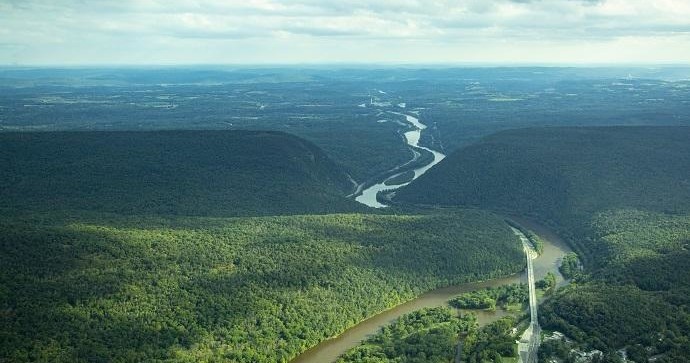
Hardyston sits where the low, agricultural valleys meet the steeper, forested shoulders of the Skylands — a convergence that yields layered scenery and predictable flying windows. For air travelers and pilots alike, the attraction here isn’t altitude for its own sake but proximity: short launches and quick climbs deliver immediate views of reservoir glass, patchwork pastures, and the linear drama of nearby ridgelines. That makes Hardyston ideal for brief experiences that still feel cinematic: sunrise balloon flights that lift above a cool layer of fog, short scenic hops in a two-seat light plane, or a glider’s slow sweep along thermal lifts near the higher ground. The landscape is human in scale, too—vineyards, farms, and small towns thread the valley bottoms, so airborne tours feel like a deliberate, personal reconnaissance rather than a high, anonymous sweep.
Seasonality shapes how air activities play out here more than in many alpine or coastal hubs. Spring and fall bring long windows of calm morning air and cool surface temperatures that stabilize lifts and make ballooning and general aviation pleasantly predictable. Summer offers spectacular green expanses and late sunsets but can develop convective afternoon winds and showers, which push early-morning launches earlier and curtail midday operations. Winter is quieter: cold, clear days can be excellent for crisp aerial photography, though many operators reduce schedules and some launch sites close when surfaces freeze. The nearby Kittatinny and other regional ridgelines create useful wind patterns for paragliders and glider pilots, with thermals and ridge lift more pronounced on transitional weather days. For photographers and naturalists, fall is irresistible—flying above a mosaic of hardwoods, conifers, and patchwork fields reveals color and texture that’s simply not visible from the road.
Beyond the view, Hardyston’s appeal rests on accessibility. Small airstrips and nearby municipal airports mean less bureaucracy and more flexible scheduling than large commercial hubs. That fosters a range of experiences: introductory flights that welcome first-time flyers, instruction and practice flights for budding private pilots, and curated aerial tours that pair launch windows with local light conditions—dawn for soft color, late morning for clearer visibility. Community and stewardship are part of the picture as well; many launch areas are adjacent to farmland and protected open space, so pilots and operators emphasize quiet approaches and respectful noise management. That community-mindedness helps preserve both the scenery and local goodwill, making each airborne outing feel sanctioned and sustainable.
Finally, Hardyston’s air activities pair exceptionally well with nearby ground experiences. A morning balloon ride can be followed by a lakeside hike or a visit to a local farmstand; a late-afternoon scenic flight transitions into a ridge-top sunset walk. It’s a destination where airborne perspective deepens your sense of place rather than replacing it: you return to the trailhead or the tasting room with an expanded map in your head and a clearer sense of how the highlands fold into the valleys. Practically, this means planning your day around weather windows and combining activities for maximum payoff—book a flight for first light, then use the rest of the day to explore the Skylands on foot or by bike.
Hardyston’s mix of low traffic, nearby airfields, and scenic variety makes it unusually hospitable for short, frequent air experiences—perfect for travelers who want a memorable view without a long day of travel or logistics.
The area’s climate rhythms—cool mornings in spring and fall, occasional summer convection, and clear winter air—make seasonal planning essential. Early mornings are generally the safest bet for calm conditions across most air-based activities.
The harbor is the gateway, and the Pacific becomes the classroom.
Because many launch sites and landing fields sit near farms and protected land, operators focus on low-impact procedures and community coordination. That means quieter approaches, limited crowds at launch areas, and predictable scheduling aligned with local concerns.
Choose by purpose
Whale watching, snorkeling, sunset sailing, cultural canoeing, harbor sightseeing, or private chartering.
Start near the city
Waikiki and Honolulu Harbor are primary hubs, with some trips launching near Hanauma Bay.
Confirm the vessel
Gangways, shaded seating, and boarding requirements vary according to vessel size and operator.