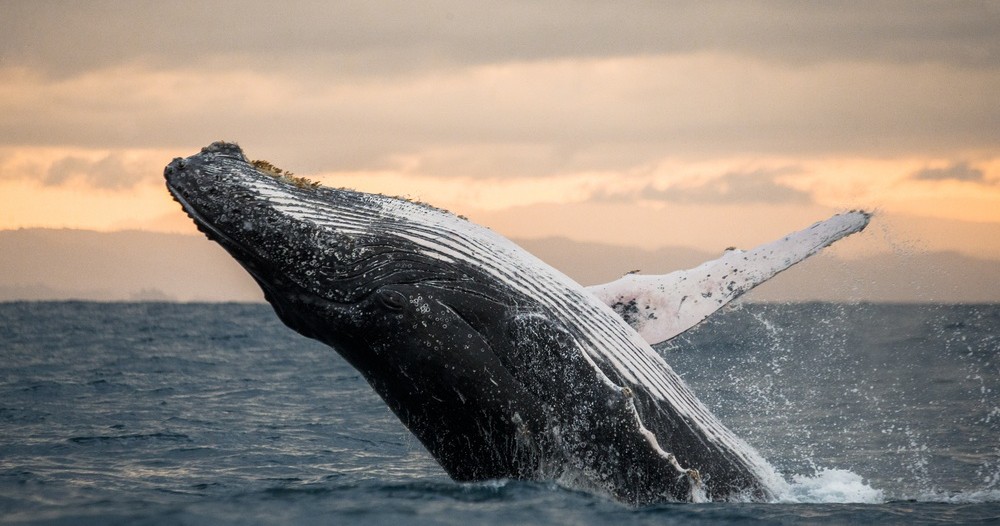
Whale Watch in Hanapepe, Hawaii
Hanapepe’s shoreline and nearby launch points on Kauaʻi’s southwestern coast are an intimate entry to one of the ocean’s most cinematic migrations. From December through April, humpback whales pass through deep blue corridors just offshore; local skippers know where the whales rest, breach, and sing. This guide focuses on whale-watching experiences—what to expect on the water, the seasonal rhythms that shape sightings, and the practical details that help you choose a morning cruise, small-boat charter, or quieter shore-based watch.
Top Whale Watch Trips in Hanapepe
9 trips • Book with confidence • Instant confirmation
Why Hanapepe Is a Standout Whale Watch Destination
Hanapepe sits at the edge of Kauaʻi’s southwesterly swell lines, a small-town doorway to deep ocean terrain that funnels migrating humpbacks closer to shore. There’s an immediacy to whale watching here that feels less like spectacle and more like an invitation: skippers thread quiet channels and local knowledge places you near whale resting areas, bubble-net feeding lanes, and the occasional acrobatic breach that launches out of the water like a living sculpture. The town itself—known for its historic bridge, art galleries, and market—belies the wild activity offshore; on any winter morning the steady churn of boats heading seaward contrasts with the hush that falls when a whale surfaces nearby.
Seasonality shapes everything. From December through April, adult humpbacks return from Alaskan feeding grounds to the warmer Hawaiian waters to breed, give birth, and nurse calves. Sightings are most frequent in January through March, when mother-calf pairs and courting groups concentrate in protected bays and along offshore banks. Weather and swell influence both comfort and sighting rates: calmer mornings often yield longer, closer encounters, while trade winds and swell can push animals farther offshore or make the sea choppier for small craft. The coastal geography near Hanapepe—shelves, channels, and deeper drop-offs—creates predictable movement corridors that experienced guides read like a map.
But this is not merely a photo op. Whale watching in Kauaʻi is threaded with cultural and environmental meaning. Hawaiian communities hold deep respect for the iliʻaina (the sea) and the ocean’s seasonal guests. Many charter operators pair sightings with education—songs (mele), local history, and explanations of how humpbacks use sound and space. Conservation is equally central: there are strict federal and state approaches to safe viewing distances and disturbance, and local operators emphasize noninvasive observation. For travelers this means a better quality of encounter: vessels that slow down, observers who keep binoculars ready, and crews who know to hold quiet when whales surface.
Complementary experiences extend the day beyond the watch. If conditions allow, many visitors combine whale watching with snorkeling in sheltered coves (when permitted), coastal hikes that offer cliffside vistas, or an evening in Hanapepe’s galleries and food stands. Birdwatchers find winter seabirds alongside the cetaceans, and photographers prize the soft winter light that sculpts whales’ wet bodies against volcanic ridgelines. Whether you’re chasing the drama of breaches, seeking the steady intimacy of a mother-and-calf pair, or simply wanting a marine-education cruise, Hanapepe’s whale-watch offerings balance cinematic moments with quiet, respectful discovery.
Local operators range from fast, small-group vessels to more stable, educational catamarans—choices that matter for comfort, viewing, and sea-sickness risk.
The seasonal migration concentrates marine life close to shore, which makes Hanapepe an efficient base for half-day excursions and morning runs when seas are calmest.
Conservation and cultural interpretation are woven into most reputable tours; respectful viewing practices keep whales safe and encounters meaningful.
Best Time to Visit
Best Months
Weather Notes
Winter brings cooler mornings and the highest probability of whale encounters; mornings tend to be calmer with lighter winds, while afternoons pick up trade winds and swell. Sea conditions can change quickly—check marine forecasts and choose operators who monitor swell and weather closely.
Peak Season
2026-01-01 to 2026-03-31
Off-Season Opportunities
Outside the main winter window, shore-based sightings, seabird watching, and quieter boat charters are possible; other marine life such as spinner dolphins and sea turtles are present year-round in some nearshore areas.
Frequently Asked Questions
Do I need a permit to go whale watching from Hanapepe?
No personal permit is required for passengers. Tours are operated by licensed charter companies; they comply with state and federal guidelines for approach distances and reporting. If you plan scientific observation or drone use, check local regulations and obtain permits as required.
How close can boats get to whales?
Safe viewing distances are regulated—commercial vessels and private craft are required to maintain a respectful distance and avoid harassment. Reputable operators will maintain these distances and slow or stop engines when whales are near.
What if I get seasick?
Morning trips are usually calmer and reduce motion-sickness risk. Consider taking over-the-counter or prescription seasickness medication before boarding, and sit mid-ship where motion is least pronounced. Fresh air and looking at the horizon help.
Choose Your Experience Level
Beginner
Ideal for travelers new to ocean outings: larger, stable catamaran cruises with onboard interpretation and seating comfort.
- Educational catamaran whale watch
- Short harbor-to-bay half-day cruise
- Shore-based viewing at coastal lookout points
Intermediate
Small-group boat trips offering closer viewing opportunities and a more active sea experience; better for those comfortable on smaller vessels.
- Small-boat whale-watch with naturalist guide
- Combined whale watch and snorkeling (weather dependent)
- Photography-focused morning departures
Advanced
For those seeking private charters, long-range photography sessions, or kayak-supported watches; higher sea-skill and tolerance for open-water conditions advised.
- Private charter for targeted sighting attempts
- Kayak or paddleboard-supported shore watches in protected coves
- Multi-hour photographic expedition with experienced skipper
Insider Tips & Local Knowledge
Book early, favor morning departures for calmer seas, and choose operators who emphasize conservation and quiet observation.
Reserve spots well in advance during peak months—popular tours fill quickly. Morning departures often have flatter water and longer sighting windows; avoid late-afternoon runs if you are prone to seasickness. Bring a small towel and a waterproof pouch for your phone; salty spray and camera care matter. Respect viewing rules: keep voices low when whales surface, and follow crew instructions for safe movement on deck. If you want shore-based options, scout coastal lookouts the day before your tour so you can time tides and light for the best views. Pair a whale-watch with a visit to Hanapepe’s art galleries and farmers’ stalls afterward—the town’s relaxed vibe makes for a satisfying post-cruise afternoon.
What to Bring
Essential
- Light waterproof jacket and wind layer
- Seasickness prevention (patches, tablets, or ginger)
- Binoculars and a telephoto lens for photography
- Sunscreen, hat, and polarized sunglasses
- Reusable water bottle and motion-friendly snacks
Recommended
- Compact dry bag for electronics
- Layered clothing for cool mornings and sun by midday
- Copies of reservation or voucher and operator contact info
- Small first-aid kit and any personal medications
Optional
- Underwater camera or GoPro (for combined snorkeling trips)
- Light tripod or stabilizer for long telephoto shots
- Field guide to Hawaiian marine life
Ready for Your Whale Watch Adventure?
Browse 9 verified trips in Hanapepe with instant booking
Explore Top 15 Hanapepe, Hawaii Adventures →