Top 12 Hiking Adventures in Hanapepe, Hawaii
Tucked along Kauai’s rugged west shore, Hanapepe is a quiet gateway to some of the island's most dramatic hikes — from rust-red canyon rims and fern-thick valleys to coastal bluffs that meet the Pacific swell. This guide focuses on day routes and nearby backcountry approaches that start from or are easily reached via Hanapepe: short coastal walks, waterfall-stitched loops, and longer ridge traverses into Kōkeʻe and Waimea Canyon. Expect tropical terrain, sudden showers, and landscape contrasts so vivid they feel cinematic. Whether you’re pacing a short morning walk or stringing together a full canyon traverse, the hikes around Hanapepe reward attention to footing, respect for local culture, and a readiness for rapidly changing weather.
Top Hiking Trips in Hanapepe
12 trips • Book with confidence • Instant confirmation
Why Hanapepe Is a Standout Hiking Destination
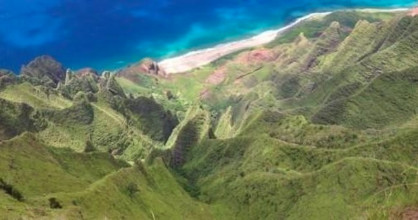
Hanapepe is a small town with an outsized relationship to the wild country that frames it. A short drive upslope becomes a study in contrasts: sugar-brown cliffs give way to jade gullies, the coastal wind is replaced by cathedral-like stands of ʻōhiʻa and koa, and the scent of salt shifts to the damp earth of cloud-fed forests. Hikers here move through a geography carved by water and time — Waimea Canyon’s layered red walls, the narrow ridgelines of Kōkeʻe, and the hidden stream chutes that pour into waterfalls after heavy rain. Trails range from short, interpretive loops and easy coastal walks to challenging backcountry routes that demand good navigation and weather sense.
The cultural thread is important. Hanapepe sits in a landscape shaped by native Hawaiian history and later plantation-era settlement; footprints on these trails are layered with stories of place. Many routes offer glimpses of historic irrigation features, old footpaths, and panoramic viewpoints that were strategic lookout points for centuries. The island’s subtropical climate keeps trails lush and alive year-round, but it also makes them dynamic: a mild, sunny morning can turn into a rain-soaked afternoon and leave roots and red soil slick with mud. For that reason, the best hiking here blends curiosity with preparation — a readiness to adjust plans, to move deliberately where the trail narrows, and to carry basic emergency items even for half-day trips.
What draws people to Hanapepe is a feeling of scale. From vantage points along canyon rims you can read the geology of Kauai in sweeping bands of color; on coastal scrambles you watch waves attack sea cliffs that have resisted millennia of swells. Visiting hikers often pair foot travel with complementary pursuits: a morning tidepool exploration or snorkel along the shore, an afternoon paddle down a calmer inlet, or a scenic drive across Waimea Canyon followed by a short, steep descent to a waterfall. The area rewards multisensory travel — hearing the jungle creak, tasting salt on the breeze, seeing the sudden flare of a wildflower against volcanic rock — and asks for a modest humility about weather, terrain, and local ecology.
Accessibility is straightforward: Hanapepe is a manageable hub with food, art galleries, and basic services, while trailheads for larger systems like Waimea Canyon and Kōkeʻe are within a 30–60 minute drive. Many hikes are suitable as day trips from Hanapepe if you have a car or book local transport.
Because trails traverse exposed ridge lines and dense forest, timing is everything. Start early to avoid trade-wind squalls and to see waterfalls at their best after overnight rain. Leave no trace and respect private property — some access routes and overlooks are adjacent to working agricultural land and local residences.
Best Time to Visit
Best Months
Weather Notes
Kauai’s west side is driest in late spring and early fall; winter months bring increased rainfall and stronger north swells. Afternoons can develop brief, intense showers year-round. Night and elevation changes are cooler in Kōkeʻe and Waimea Canyon.
Peak Season
Winter holidays and summer vacation weeks see more visitors; weekends around major holidays fill trailhead parking.
Off-Season Opportunities
Late spring and early fall offer fewer crowds and reliable weather. Winter brings dramatic waterfalls and fuller streams but also muddy trails and increased chance of trail closures.
Frequently Asked Questions
Do I need permits for most hikes?
Most day hikes in the Hanapepe and Waimea Canyon areas do not require permits. Specific multi-day routes on the Napali Coast and certain backcountry campsites elsewhere on Kauai may require permits; check official sources for those particular routes.
Are trails suitable for beginners?
Yes — there are easy coastal walks and short lookout trails suitable for casual hikers. However, many popular short hikes have uneven footing and short steep sections, so solid shoes and basic fitness are recommended.
How early should I start popular hikes?
Start at or before sunrise on weekends and holiday periods to secure parking and avoid midday showers. Early starts also improve chances of clear canyon views before clouds build.
Choose Your Experience Level
Beginner
Short scenic walks and well-maintained lookout trails with minimal elevation gain and relatively even footing.
- Hanapepe coastal stroll and town art-walk
- Short Waimea Canyon overlook walk
- Easy waterfall approach on maintained trail
Intermediate
Moderate hikes with sustained elevation gain, uneven footing, occasional stream crossings, and longer distances that require a half day.
- Waimea Canyon rim loop with multiple overlooks
- Kōkeʻe short ridge hikes into native forest
- Coastal ridge walks with rocky sections and exposed viewpoints
Advanced
Longer ridge or backcountry routes with steep, technical sections, route-finding needs, or multi-day ambitions. Weather and remoteness increase risk.
- Full-day Kōkeʻe backcountry traverses
- Extended Waimea Canyon descent and valley routes
- Napali Coast approaches and multi-day coastal tramps
Insider Tips & Local Knowledge
Check local trail reports and state park updates before you go; conditions change quickly after rain.
Start early to enjoy cooler air and clearer canyon views. Carry extra water and a rain layer even if the forecast is dry — showers develop fast. Parking at popular trailheads fills early; consider a weekday visit or pairing a popular overlook with a lesser-known valley route to avoid crowds. Respect private land and local signage: some access points skirt agricultural operations or community lands. Be reef-safe in your sun protection to protect nearshore ecosystems if combining hiking with a beach stop. Finally, plan for limited cell coverage in higher elevations — tell someone your route and expected return time for longer outings.
What to Bring
Essential
- Sturdy trail shoes with good tread (not just flip-flops)
- At least 2 liters of water per person for day hikes
- Sun protection: hat, sunglasses, reef-safe sunscreen
- Light waterproof layer or packable rain jacket
- Navigation: offline map or app and a basic route plan
Recommended
- Trekking poles for steep or muddy descents
- Small first-aid kit and blister care
- Insect repellent (mosquitoes are common in forested valleys)
- Quick-dry layers — moisture-wicking fabrics work best
- Waterproof stuff sack for electronics
Optional
- Binoculars for birdwatching (native species can be elusive)
- Camera with polarizer for glare on canyon vistas
- Microspikes or traction aids during wet winter conditions
- Light headlamp for early starts or late returns
Ready for Your Hiking Adventure?
Browse 12 verified trips in Hanapepe with instant booking
Explore Top 15 Hanapepe, Hawaii Adventures →