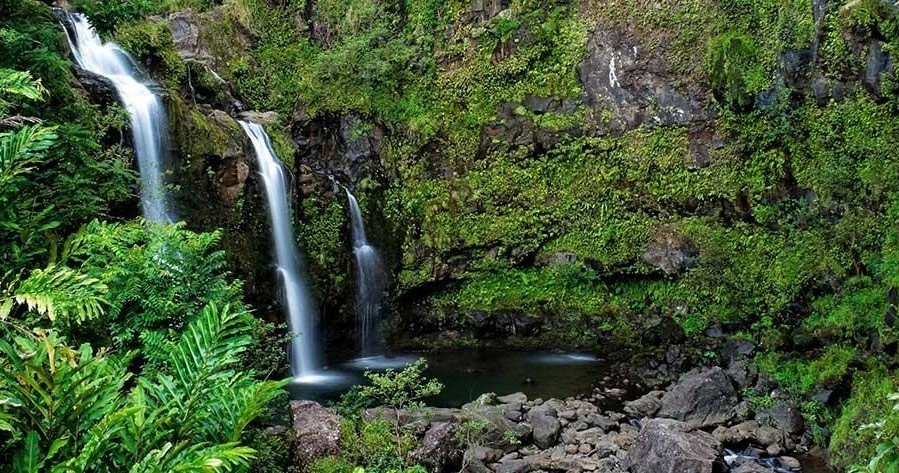
Photography Tours in Hāna, Hawaii
Hāna is a compact, cinematic landscape where rainforest light, black sand beaches, and remote surf-sculpted cliffs combine to make every photo a study in contrast. Photography tours here are about more than ticking off viewpoints — they are slow, sensory studies in moisture, color, and culture along one of America’s most storied coastal drives.
Top Photography Tour Trips in Hāna
43 trips • Book with confidence • Instant confirmation
Why Hāna Is a Standout Spot for Photography Tours
Hāna compresses a hundred photographic moods into a relatively small stretch of coastline and valley: the saturated green of a wet rainforest, the glassy sheen of freshwater pools, the obsidian texture of black sand, and the weathered drama of cliffbound surf. Photographers are drawn not only to specific signature places — Waianapanapa’s basalt sea arch, the bamboo stands at Puaʻa Kaʻa, the cascades that tumble along the valley — but to the interplay between light and moisture that defines the place. Morning and late-afternoon light slice through dense canopies in golden beams and rim the island’s clouds in a way that demands a slow, attentive approach. That slowness is part of the experience: the Road to Hāna itself is a photographic subject, a ribbon of asphalt punctuated by one-lane bridges and intimate roadside vignettes — taro patches, roadside fruit stands, and weather-beaten churches — that reward those who move deliberately.
A photography tour in Hāna is as much about composition as it is about context. The terrain invites wide panoramic frames of ocean and valley, telephoto compression for distant surf and seabirds, and intimate macro work on fern fronds, rain beads, and local flowers. Cultural sensitivity is woven into the practice here; many of the landscapes photographed are part of living communities and sacred sites. Responsible guides will brief you on where to step, when to shoot, and when to put the camera away to respect private property and wahi kapu (sacred places). The best tours balance instruction and exploration: they teach technical skills applicable in high-humidity coastal rainforests — dealing with mist, fast-changing exposures, lens care — while opening access to lesser-known viewpoints that are safer and more respectful than simply parking and wandering.
Seasonality matters. The winter months can throw dramatic swell against lava cliffs, creating explosive surf shots but also hazardous conditions on shoreline rocks. The wet season brings fuller waterfalls, iridescent rainbows, and saturated foliage but also muddy trails and increased mosquito presence, so planning and equipment choices change with the calendar. A well-run photography tour in Hāna will time sunrise shoots to catch the first clear light over Hāna Bay, lead golden-hour sessions at basalt coves, and offer mid-day composition clinics in the bamboo forest or at coastal arches. For travelers seeking a creative, contemplative approach to landscape photography, Hāna offers a rare combination of dynamic weather, layered terrain, and a tight-knit local culture that rewards patience and respect.
The Road to Hāna is part of the experience: slow driving, frequent pullouts, and an intimacy with roadside scenes make the journey itself a mobile photography workshop.
Local guides often couple photography instruction with cultural context—learning a place’s stories improves photographic framing and fosters respectful visitation.
Best Time to Visit
Best Months
Weather Notes
Hāna’s climate is tropical and wet; short, heavy showers are common year-round. Spring and early fall often balance clearer skies with lower tourist density. Winter swells create dramatic coastal conditions but increase shoreline hazards.
Peak Season
Winter holiday months see more visitors, and weekend traffic along the Road to Hāna can be heavy.
Off-Season Opportunities
Wet-season visits (late fall through early spring) yield fuller waterfalls and saturated colors—expect mud and possible trail closures but fewer crowds on weekdays.
Frequently Asked Questions
Do I need permits to shoot in Hāna?
Permissions vary by location. State parks like Waianapanapa may require entrance fees or have vehicle limits; some cultural sites and private properties are off-limits without explicit permission. Ask your guide or consult park authorities before shooting.
Can I fly a drone in Hāna?
Drone use in Maui falls under federal and state rules and additional local restrictions near parks and protected cultural sites. Many guided tours avoid drones; always check current regulations and avoid flying over people or wahi kapu.
Are photography tours suitable for beginners?
Yes. Many tours accommodate beginners and include technical guidance on exposure, composition, and working in moist conditions; they also tailor routes to your ability.
Choose Your Experience Level
Beginner
Short, low-impact shoots focusing on composition and basic exposure in accessible locations like Hāna Bay, roadside waterfalls, and black sand beach overlooks.
- Sunrise color at Hāna Bay
- Short walk to a waterfall with composition coaching
- Black-sand beach frames at Waianapanapa
Intermediate
Half-day excursions that include varied terrains—bamboo grove interiors, coastal arches, and streamside compositions—emphasizing technique, filters, and tripod use.
- Golden-hour seascapes at basalt coves
- Bamboo forest light study with depth-of-field practice
- Waterfall long-exposure workshop
Advanced
Full-day, location-rich tours focused on advanced lighting, telephoto surf sequences, multi-exposure panoramas, and complex post-processing tips; may include physically demanding walks.
- Storm-swell surf sequences from safe cliff viewpoints
- Dawn-to-dusk location marathon covering bay, valley, and coastal arches
- Guided access to lesser-known viewpoints and technical composition clinics
Insider Tips & Local Knowledge
Hāna rewards patience and humility—move slowly, ask before you cross private land, and prefer guided access for fragile or sacred sites.
Start shoots at first light to avoid the midday glare and afternoon showers. Bring multiple protective layers for both yourself and your gear—humidity and sudden rain are constant. Speak with local guides about tide cycles and swell warnings before attempting shoreline compositions; some vantage points that look safe can be deceptively slippery on wet lava. Battery performance drops in damp conditions—store spares in a warm, dry pocket. If you're visiting Waianapanapa, check the park's vehicle and entry rules in advance; it fills quickly on weekends. Consider scheduling midweek tours to minimize traffic on the Road to Hāna and to access quieter pullouts. Finally, invest time in learning a few Hawaiian place names and cultural practices—photography here is richer when paired with respect for the land and people.
What to Bring
Essential
- Weather-sealed camera body or rain cover for your camera
- Sturdy tripod with a compact travel profile
- Wide-angle and mid-telephoto lenses (e.g., 16–35mm and 70–200mm)
- Lens cleaning kit and microfiber cloths
- Plenty of batteries and high-capacity memory cards
Recommended
- Circular polarizer and ND filters for long exposures
- Lightweight waterproof pack or dry bag for gear
- Insect repellent and quick-dry clothing
- Small microfiber towel and silica gel packets to combat humidity
Optional
- Drone (see local regulations) and spare props—note many spots restrict drone use
- Macro lens for close-up flora and textures
- Field guide for local plants and birds to enrich storytelling
Ready for Your Photography Tour Adventure?
Browse 43 verified trips in Hāna with instant booking
Explore Top 15 Hāna, Hawaii Adventures →