7

Top 6 Kayak Adventures in Hallsboro, North Carolina

Hallsboro, North Carolina

Hallsboro is a quietly magnetic place for paddlers: a lowland landscape of slow-moving blackwater rivers, tannin-stained swamps, and branching tidal creeks that reward slow travel and close observation. The kayaking here leans toward reflective day trips and gentle multi-day river runs — perfect for paddlers who value wildlife, solitude, and the subtle drama of southeastern North Carolina wetlands.

6
Activities
Spring–Fall (best paddling)
Best Months

Top Kayak Trips in Hallsboro

6 trips • Book with confidence • Instant confirmation

Why Hallsboro Delivers a Distinctive Kayaking Experience

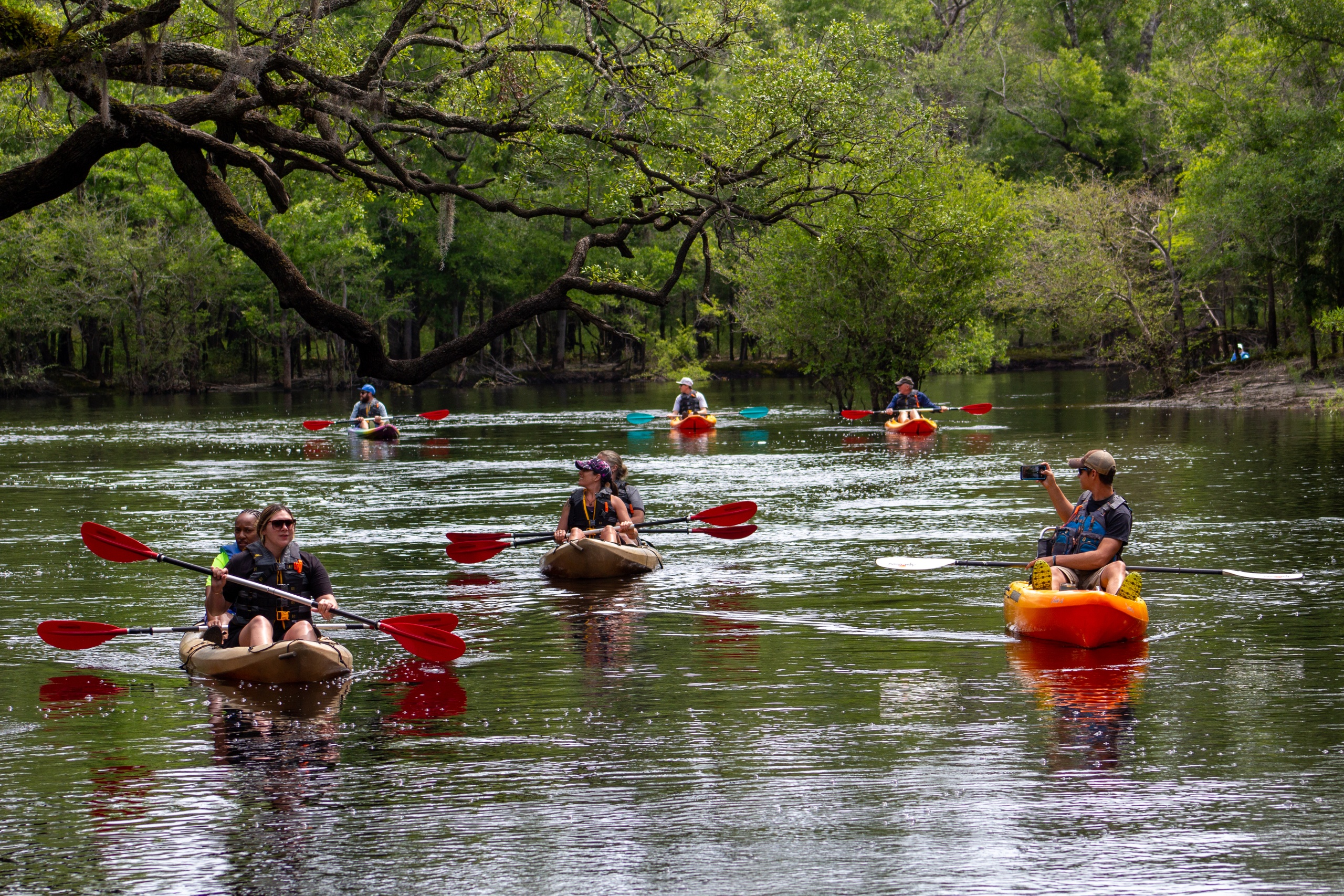
Hallsboro sits in the slow, soft geography of southeastern North Carolina where water is not just a route but the texture of the place. Paddlers come here to move deliberately through blackwater rivers and tidal creeks that snake through cypress knees and salt-tolerant marsh grass. The rhythm is unhurried: an early-morning mist lifts off tannin-stained surfaces, herons pivot on submerged logs, and the only soundtrack is the soft scuff of a paddle and the occasional kingfisher’s skyward flash. This terrain rewards attention. Navigation is less about speed and more about reading current, edge habitats, and tide lines; trips that might feel short by mileage can feel very full when measured in wildlife encounters, hidden oxbows, and the sudden cathedral hush beneath a hardwood canopy.

For travelers who prize sensory immersion, Hallsboro’s paddling corridors are ideal. The Lumber River corridor — nearby and regionally famous — threads blackwater channels and floodplain forests that feel ancient: low gradient shorelines that flood wide in spring and narrow to meandering channels in dryer months. Tidal creeks and estuarine marshes nearer the coast add a contrasting palette: broad reflective flats, oyster bars, and saltmarsh species like fiddler crabs and saltmarsh sparrows. That mix of freshwater and brackish systems makes Hallsboro a fine base for a variety of paddling styles. Day-trippers can launch from simple roadside put-ins for serene flatwater loops; intermediate paddlers can string together longer point-to-point float trips that require careful timing with water levels or tides; backcountry-minded paddlers will find multi-day river runs and primitive campsites where the sky reads bright without light pollution.

Practical paddlers will appreciate the manner of Hallsboro’s access: modest facilities, a handful of public launch spots, and a regional network of outfitters and guides within a reasonable drive. That means planning matters — tide charts, a shuttle plan for point-to-point runs, and an eye on summer bugs and weather are all part of the equation. But the payoff is tangible. You trade large crowds and manicured marinas for quiet channels, easy wildlife viewing, and the kind of paddling that encourages slowing down. Whether you want a soft sunrise surfacing over a fogbound marsh or a multi-hour drift beneath bald cypress draped in Spanish moss, the paddling around Hallsboro asks you to match its tempo and rewards you with a close, meditative encounter with Carolina lowlands.

The mix of blackwater river systems and nearby tidal creeks makes the region versatile: calm, sheltered runs for beginners and longer navigational challenges for paddlers working with tidal windows.

Seasonality matters: spring high water expands routes and bird activity, summer offers warm evenings and mosquitoes, and fall brings cooling temperatures and migration movement along river corridors.

Activity focus: Kayak & Paddling — flatwater, blackwater rivers, tidal creeks
Number of curated trips in this guide: 6
Best for wildlife viewing, slow scenic paddles, and multi-day river floats
Minimal commercial development on many launch points — bring self-sufficiency
Tide and water-level planning is essential for longer, point-to-point trips

Best Time to Visit

Best Months

AprilMaySeptemberOctober

Weather Notes

Late spring and early fall offer the most comfortable paddling temperatures, reduced insect pressure compared with midsummer, and favorable water levels. Summers are hot and humid with afternoon thunderstorms common; hurricane and tropical storm season (June–November) can influence tidal creeks and river access.

Peak Season

Late spring and early fall are the busiest windows for local paddlers and guided trips.

Off-Season Opportunities

Winter weekdays can provide solitude and clear skies, but expect cooler water temperatures and the need for warm, insulated clothing and dry-suit planning for extended immersion risk.

Frequently Asked Questions

Do I need permits to paddle the local rivers?

Most day paddles from public put-ins do not require special permits. If you plan to camp overnight on a state-managed river corridor or in designated campsites, check Lumber River State Park and local land manager rules for camping permits and rules.

Are launches and put-ins easy to find?

There are several public and roadside put-ins, but many are simple launches with limited parking. Consult a local map or outfitter for recommended access points and plan a shuttle if doing point-to-point runs.

What hazards should paddlers watch for?

Watch for submerged logs and sweepers in narrow channels, rapidly changing currents in tidal areas, fluctuating water levels after storms, and insects in warm months. Always check weather and water conditions before launching.

Choose Your Experience Level

Beginner

Short, sheltered flatwater loops near public access points. Low current, easy rescues, and simple navigation.

  • Short blackwater loop from a roadside put-in
  • Protected estuary paddle on a calm morning
  • Guided half-day wildlife paddle

Intermediate

Longer point-to-point river floats requiring shuttles, basic navigation with tidal timing, and experience managing current and minor obstacles.

  • Half-day Lumber River downstream paddle
  • Tidal creek exploration timed to an outgoing tide
  • Multi-hour loop combining creek and river sections

Advanced

Multi-day expeditions, open-estuary crossings, or surf launches to barrier islands that require advanced navigation, self-rescue skills, and wilderness camping experience.

  • Overnight river camping and multi-day Lumber River float
  • Estuary-to-coast crossings with tidal and weather planning
  • Extended paddles requiring route-finding through braided creeks

Insider Tips & Local Knowledge

Check tide charts, notify someone of your float plan for point-to-point trips, and favor early mornings for wildlife and calmer winds.

Start early to catch glassy water and active wildlife; late afternoons often bring wind and thunderstorms in summer. For long runs, coordinate a shuttle or use a trusted local outfitter — many put-ins are low-key and can fill quickly on busy weekends. Beware of submerged trees (known locally as "sweepers") and low bridges after storms; scouting narrow bends on foot can prevent surprises. Respect private property along rural shorelines — park only in designated areas. If you’re paddling tidal creeks, plan around tides: an outgoing tide can speed downstream trips but make returns harder. Outfitters in nearby towns can supply shuttles, route intel, and rentals if you prefer to travel light. Finally, practice leave-no-trace paddling: pack out all trash, avoid disturbing nesting birds in spring, and use established campsites when overnighting.

What to Bring

Essential

  • USCG-approved personal flotation device (PFD)
  • Whistle and paddle leash
  • Waterproof dry bag for phone, keys, and layers
  • Sufficient water and energy snacks
  • Lightweight, quick-dry clothing and sun protection (hat, UV shirt)
  • Insect repellent and head net for summer months
  • Basic navigation: map, GPS, or downloaded paddling routes
  • Spare paddle or paddle float and simple bilge pump

Recommended

  • Small first-aid kit and a compact repair kit (zip ties, duct tape)
  • Tide and river-level charts if planning tidal or long river runs
  • Lightweight camp kit for overnight river camping (if planning multi-day)
  • Reflective tape or small light for low-light launches/returns
  • Waterproof camera or binoculars for wildlife observation

Optional

  • Spray skirt for rec or sea kayak use in choppier estuary conditions
  • Portable anchor or stake for fishing or wildlife photography stops
  • Wetsuit or thermal layer for shoulder-season paddles
  • Compact camping stove for multi-day trips

Ready for Your Kayak Adventure?

Browse 6 verified trips in Hallsboro with instant booking

Explore Top 15 Hallsboro, North Carolina Adventures →