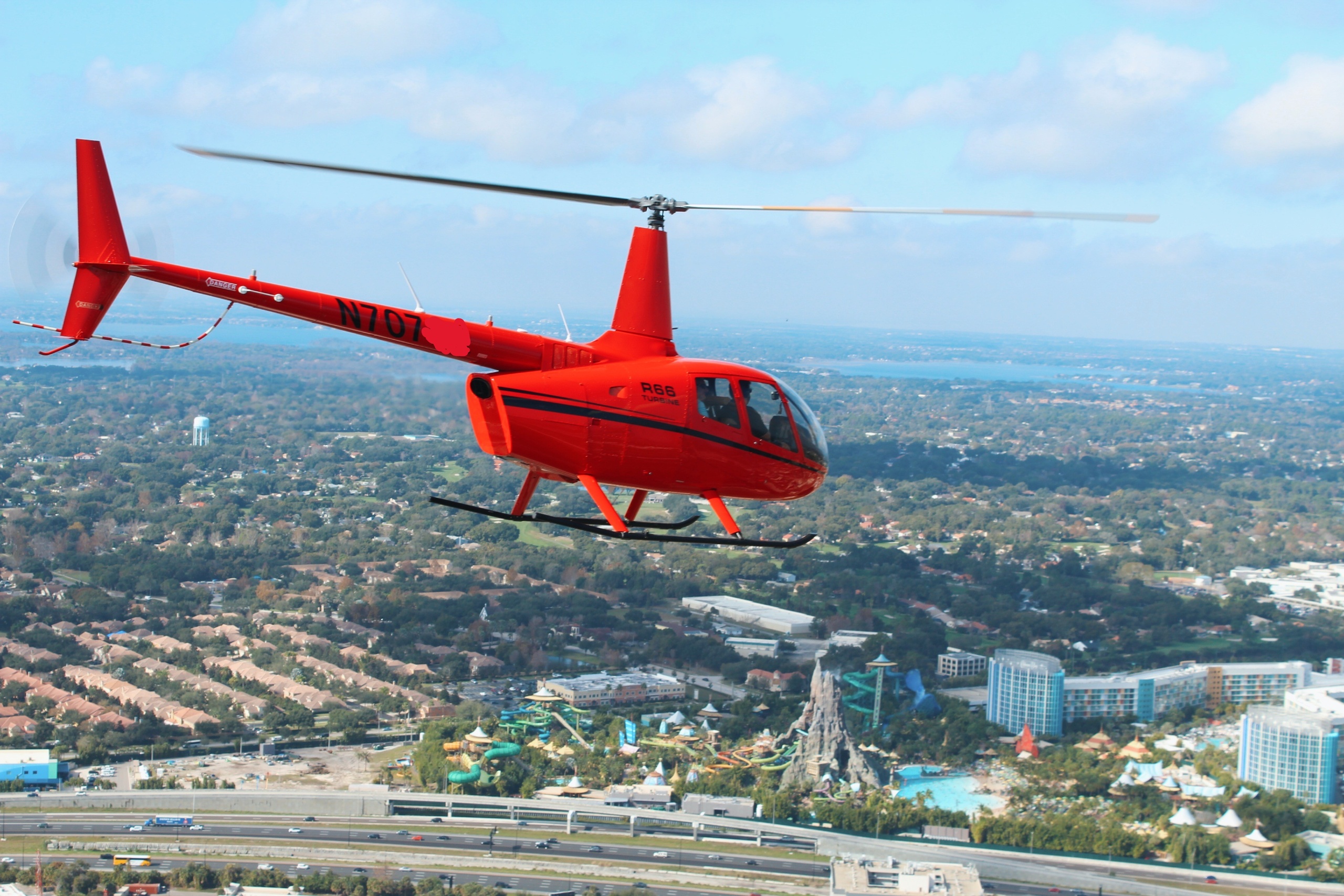
There’s a particular clarity to the air over Haines City that feels built for flying. The terrain is flat and forgiving, dotted with lakes that mirror the sky and citrus groves that add a faint green geometry to the horizon. That openness—paired with generally low population density outside the tourist corridors—creates predictable wind corridors and unobstructed landing options that benefit everything from tethered balloon rides to light aircraft and paramotor flights. Where coastal Florida can be busy with marine traffic and dense development, Haines City offers an inland calm: a place where pilots and operators stage flights early, while the morning thermals are gentle and the light is soft.
Practically speaking, Haines City is an ideal launch point for short scenic flights that show off Central Florida’s mosaic of waterways, farmland, and suburban ribbons. Hot-air balloon operators favor the region for dawn launches because the summer humidity and winter cool fronts each create windows of smooth air—conditions that are forgiving for novice passengers and rewarding for photographers. For more dynamic aerial experiences like tandem paramotoring or ultralight flights, the area’s airspace is typically less congested than airport-adjacent corridors, allowing operators to route over lakes and nature patches rather than through heavy commuter skies. Helicopter tours and small fixed-wing sightseeing flights are also viable here, delivering panoramas of Chain-of-Lakes reflections, neighboring conservation lands, and on clear days, the distant shimmer of larger urban centers.
Culturally, flying here ties into Florida’s longstanding relationship with recreational aviation and outdoor leisure. Locals often pair air excursions with sunrise breakfasts, morning lake paddles, or citrus farm visits—making the flight itself a hinge between land- and water-based experiences. Environmentally, pilots and operators tend to plan with wildlife and wetland sensitivity in mind, avoiding low passes over sensitive rookery islands and timing flights to minimize disturbance during nesting seasons. And finally, the seasonal rhythm matters: mornings are king. Most flights—especially ballooning—happen at first light, when winds are lightest and the day’s heat hasn’t churned the atmosphere. The rest of the day, particularly summer afternoons, is more prone to pop-up storms and higher winds. For travelers, that means prioritizing early bookings, flexible schedules, and an understanding that a canceled flight is often a safer, more satisfying flight when weather is involved.
The variety of air activities is the draw: peaceful hot-air balloon rides, adrenaline-tinged tandem jumps at nearby drop zones, low-and-slow paramotor flights, and short scenic plane tours that bookend a weekend in Central Florida.
Seasonality reshapes the experience—cooler months and transitional fronts offer cleaner air and consistent morning windows, while summer’s heat and humidity produce afternoon instability and a greater chance of weather-related cancellations.
Choose by purpose
Whale watching, snorkeling, sunset sailing, cultural canoeing, harbor sightseeing, or private chartering.
Start near the city
Waikiki and Honolulu Harbor are primary hubs, with some trips launching near Hanauma Bay.
Confirm the vessel
Gangways, shaded seating, and boarding requirements vary according to vessel size and operator.