Why Hackettstown Works for Air Activities
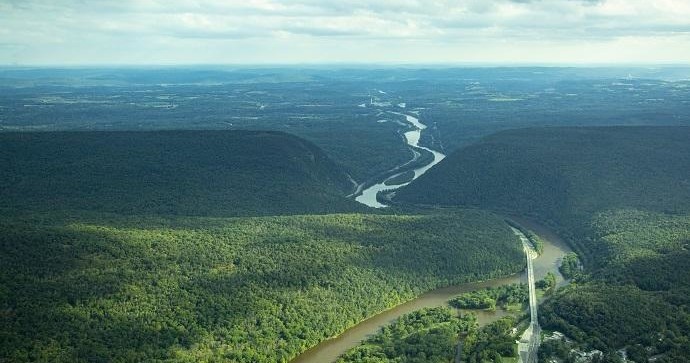
There’s a particular hush that comes just before lift‑off here: the hush of farmland cooling after a summer day, of a river valley catching the first light, of ridgelines that throw back steady easterly and westerly winds. Hackettstown is not a mountain stronghold or an island of constant blue skies—it’s a finely grained landscape where topography and weather combine to make short, memorable airtime accessible to travelers. Small ridgelines such as the Kittatinny outliers produce localized lift for paragliders and hang‑gliders on days with the right wind, while early‑morning calm and stable stratification create the safest windows for hot‑air ballooning. The town’s surrounding mix of open fields, patchwork forests, and waterways also creates scenic corridors for low‑altitude ultralight or fixed‑wing scenic flights, delivering an intimate perspective that larger commercial sightseeing flights can’t match.
This region’s aviation culture is quietly practical. Operators and pilots who work near Hackettstown often emphasize conservative weather decisions, short flights timed to ideal conditions, and landing options that fit a rural landscape—plowed fields, airport grass strips, and cleared river margins. That conservatism translates into a safe and approachable menu of air activities for first‑time flyers and for people who want one crisp, well‑orchestrated airborne memory rather than a long, high‑altitude tour. In fall, when maples and oaks turn, the valley coloration is the real draw: balloonists and tandem paragliders both prize the sharp contrast between cultivated fields and dye‑bright woods. Spring brings powerful thermals and long daylight hours that appeal to paragliding pilots and glider enthusiasts, though thermic strength also demands careful judgement and often favors more experienced fliers.
Beyond weather, Hackettstown is a practical staging area. The town’s modest size keeps logistics simple—short drives to launch sites, easy parking, and fewer bureaucratic layers than busier tourist centers. This accessibility makes air activities a good complement to a day of hiking, kayaking, or a vineyard visit: a morning balloon trip followed by a riverside lunch and an afternoon walk creates a rounded, place‑rooted itinerary. Environmentally, participants should be aware that many launch and landing zones are adjacent to farm fields and conservation parcels; good flight etiquette—respecting private property, minimizing noise at low passes, and following operator guidance—helps sustain local goodwill. Ultimately, Hackettstown’s appeal for air activities is its approachable scale: the skies here reward close observation, careful timing, and an appetite for quiet panoramas rather than dramatic altitude. For travelers who want to taste the feeling of flight—breezes on the face, the slow turning of a burner, the hush of a glide—this region offers that experience in spades, tempered by practical safety and deep seasonal character.
Scale and accessibility are the draw: short drives to launch points, convenient landing options, and operators that favor conservative conditions.
The landscape—river valleys, farmland, and ridgelines—creates varied flying opportunities from gentle early‑morning balloon lifts to dynamic thermic afternoons.
The harbor is the gateway, and the Pacific becomes the classroom.
Fall foliage and spring thermals shape two very different but equally compelling flying seasons: crisp visual rides in autumn and active soaring opportunities in late spring.
Choose by purpose
Whale watching, snorkeling, sunset sailing, cultural canoeing, harbor sightseeing, or private chartering.
Start near the city
Waikiki and Honolulu Harbor are primary hubs, with some trips launching near Hanauma Bay.
Confirm the vessel
Gangways, shaded seating, and boarding requirements vary according to vessel size and operator.