1

Top Whale-Watching Adventures in Guadalupe, California

Guadalupe, California

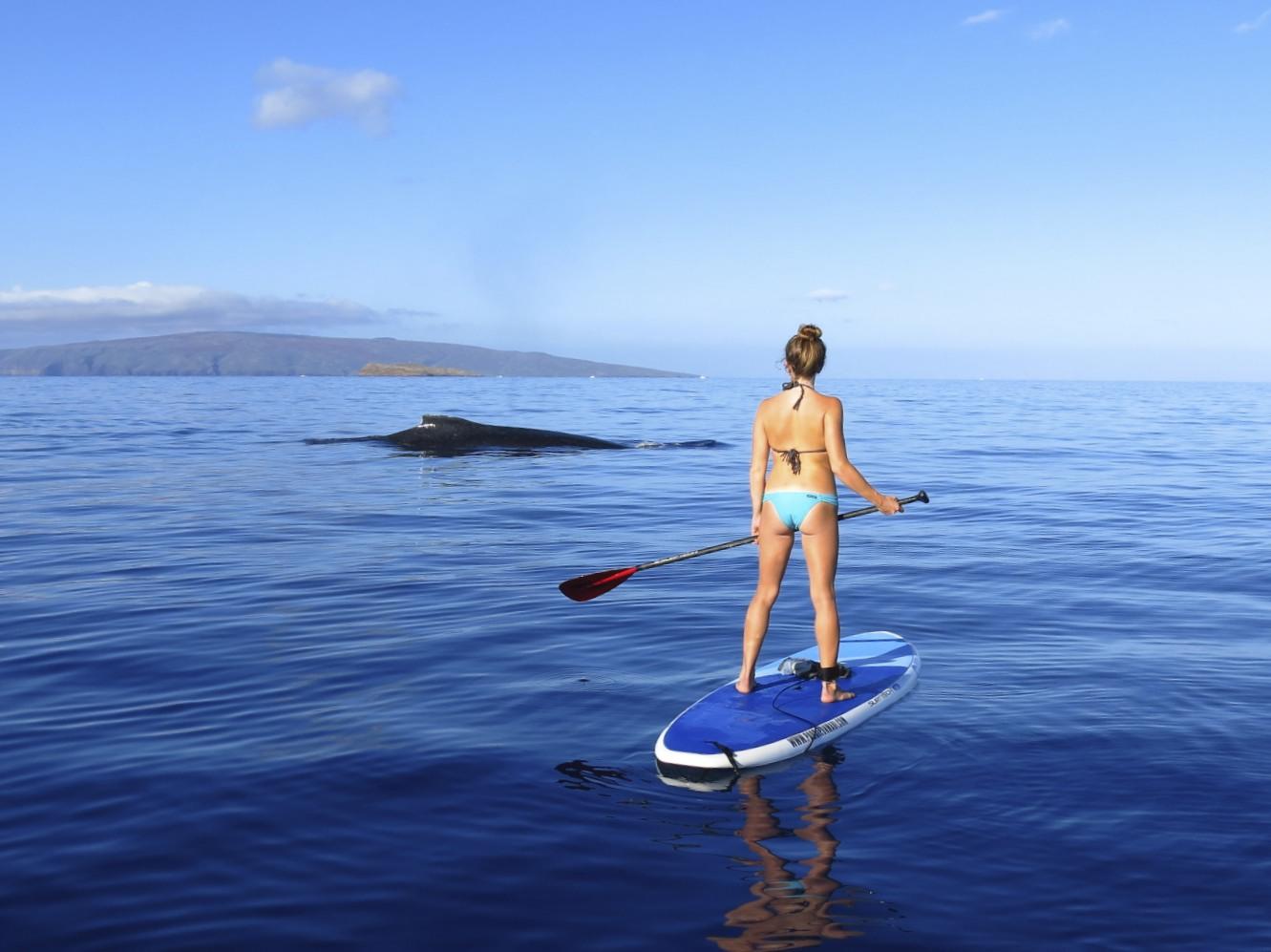
Guadalupe sits at a quiet seam of coast where seasonal upwelling and broad continental shelf habitats funnel whales, dolphins, and seabirds into view. This guide focuses on the viewing experiences—both from shore and by sea—helping you choose between short headland watches, half-day boat trips for nearshore species, and longer offshore excursions that reach feeding grounds where blue and humpback whales can appear in dramatic numbers.

3
Activities
Seasonal: Dec–Apr (gray whales); Jun–Oct (blue & humpback activity)
Best Months

Top Whale Watch Trips in Guadalupe

3 trips • Book with confidence • Instant confirmation

Why Whale Watching Near Guadalupe Is Special

The stretch of Pacific coast that brushes Guadalupe is quietly transitional—where cold, nutrient-rich waters rising from the deep meet the shoals of the nearshore continental shelf. Those oceanographic ingredients build food webs: plankton blooms attract schools of anchovies and sardines, which in turn pull in larger predators. For travelers, that means periods when the sea can go from flat and empty to erupting with surface activity—blows, tail slaps, and dorado-like breaches—within minutes.

This coastal corridor carries two major seasonal stories. In winter and early spring, the long southbound and northbound movements of migrating gray whales trace a path close to shore. Large, slow-steaming adults and their calves are visible from headlands and from small craft, and shore-based vantage points can offer intimate, low-impact viewing. Then, by mid-summer into early fall, the ocean warms and prey patches can concentrate farther offshore; blue whales and humpbacks—epic in size and behavior—appear in feeding knots where krill and baitfish gather. These are not guaranteed sightings, but when the ocean turns on they can be awe-inducing.

But the experience around Guadalupe is not only about the giants. Dorsal fins of common dolphins carving the bow wave, pods of Pacific white-sided dolphins riding swells, and the sight of shearwaters and terns working bait balls all create layered experiences. Shore hikes along headlands, morning visits to tidepools, and coastal birding pair naturally with whale watching, so a single day out often becomes a suite of coastal encounters.

Practically speaking, whale watching here is an exercise in timing and preparation. Boat-based outings give range and a better chance of encountering blue and humpback whales that feed offshore, while shore-based watching is ideal for gray whales and for travelers who prefer minimal gear and easy access. Weather and sea state matter: glassy mornings reward binoculars and patience, but afternoon wind and swell can make offshore trips challenging. Local operators and naturalists often provide context—behavioral interpretation, species identification, and notes on recent sightings—so choosing a boat with a knowledgeable naturalist or guide can transform good luck into a meaningful learning experience.

Finally, the ethical, environmental frame is essential. The region is governed by federal protections and best-practice viewing guidelines designed to minimize disturbance and keep animals wild. Responsible viewing—keeping distances, minimizing noise, and following skipper and marine-mammal-guideline instructions—keeps these encounters possible for future generations. In short: Guadalupe’s whale-watching is an intimate blend of ocean science, patient observation, and a bit of coastal luck, with complementary activities—birding, kayaking, coastal hikes—making it a rich day or multi-day coastal itinerary.

Accessibility varies by experience: shoreline watches are the most accessible; boat trips require harbor access and rough-water tolerance.

Two distinct seasonal windows dominate sightings: winter–spring for gray whales close to shore, and summer–fall for blue and humpback whales offshore.

Combine whale watching with coastal birding, tidepool walks, and local beachcombing for a fuller coastal nature day.

Activity focus: Whale watching (shore-based and boat-based)
Three principal outing styles: headland watches, nearshore boat trips, offshore feeding excursions
Expect layered wildlife encounters—whales, dolphins, and seabirds
Bring sea- and weather-appropriate layers; mornings are often calmest
Follow federal and local marine-mammal viewing guidelines

Best Time to Visit

Best Months

DecemberJanuaryFebruaryMarchAprilJuneJulyAugustSeptemberOctober

Weather Notes

Winter and early spring often bring lower sun angles and calmer mornings that favor shore watching for migrating gray whales. Summer and early fall can produce warmer air and offshore productivity that draws blue and humpback whales farther from shore—these outings may involve longer boat runs and swell conditions.

Peak Season

December–April (gray whale migration) and July–September (peak offshore feeding season)

Off-Season Opportunities

Late spring and late fall can offer quieter headland watching, productive birding, and coastal hikes; fewer boats on the water mean more solitude but potentially lower sighting rates for offshore species.

Frequently Asked Questions

Do I need a permit to watch whales from shore or join a tour?

No personal permits are required for shore-based viewing. Most boat operators handle necessary vessel and wildlife-viewing permits for commercial trips; check directly with any operator about their compliance and safety policies.

Are whale-watching tours suitable for children and older travelers?

Shore-based watching is family-friendly and accessible. Boat trips vary—nearshore half-day trips are generally manageable, but offshore excursions can be longer and rougher; operators can advise on suitability for different age and fitness levels.

How predictable are sightings?

Whales are wild and sightings are never guaranteed. Gray whale migration provides the most predictable nearshore viewing window, while blue and humpback occurrences are tied to ocean conditions and prey availability; choosing the right season and a knowledgeable skipper improves odds.

Choose Your Experience Level

Beginner

Low-effort, shore-based vantage points and guided headland watches provide accessible viewing with minimal equipment.

  • Headland lookout for migrating gray whales
  • Short guided coastal nature walk with whale-spotting stops
  • Morning birding combined with passive whale scanning

Intermediate

Half-day boat trips into nearshore waters for closer views of whales and active dolphin pods; requires basic sea comfort and mobility on deck.

  • Half-day nearshore whale- and dolphin-watching cruise
  • Combination birding-and-whale trip to productive feeding areas
  • Photography-focused small-boat excursion

Advanced

Full-day offshore excursions or multi-day research-style trips that travel to deeper feeding grounds; these require tolerance for longer sea time and variable conditions.

  • Offshore feeding-ground expedition targeting blue and humpback whales
  • Day trips that include survey-style searching and extended time on deck
  • Multi-day marine wildlife adventure incorporating kayaking or diving (where permitted)

Insider Tips & Local Knowledge

Check weather and sea-state forecasts, bring layered clothing, and respect wildlife guidelines at all times.

Start early—calm mornings often produce the best visibility and smoother seas. If you’re prone to seasickness, take preventative measures before the boat leaves shore. Binoculars and a steady tripod or bean bag transform distant blows into crisp observations. Ask operators about their naturalists and educational programming; a knowledgeable guide elevates an encounter into a story about animal behavior and oceanography. On shore, pick elevated headlands with a broad view and give yourself time—whales may appear suddenly after long stretches of inactivity. Finally, practice responsible viewing: do not approach animals, follow the instructions of guides and skippers, and leave no trace on beaches and headlands so these coastal corridors remain healthy for wildlife and visitors alike.

What to Bring

Essential

  • Binoculars (7x–10x) and a camera with a telephoto option
  • Windproof, waterproof outer layer and warm midlayer
  • Seasickness medication or patches if prone to motion sickness
  • Reusable water bottle and snacks
  • Sunscreen and hat (sun reflects strongly off the water)

Recommended

  • Compact spotting scope for shore-based watches
  • Small daypack and dry bag for electronics
  • Polarized sunglasses to reduce glare
  • Closed-toe shoes with grip for rocky headlands

Optional

  • Field guide to marine mammals or a species ID cheat-sheet
  • Notebook or smartphone app for logging sightings
  • Light binocular strap or harness for stability on deck

Ready for Your Whale Watch Adventure?

Browse 3 verified trips in Guadalupe with instant booking

Explore Top 15 Guadalupe, California Adventures →