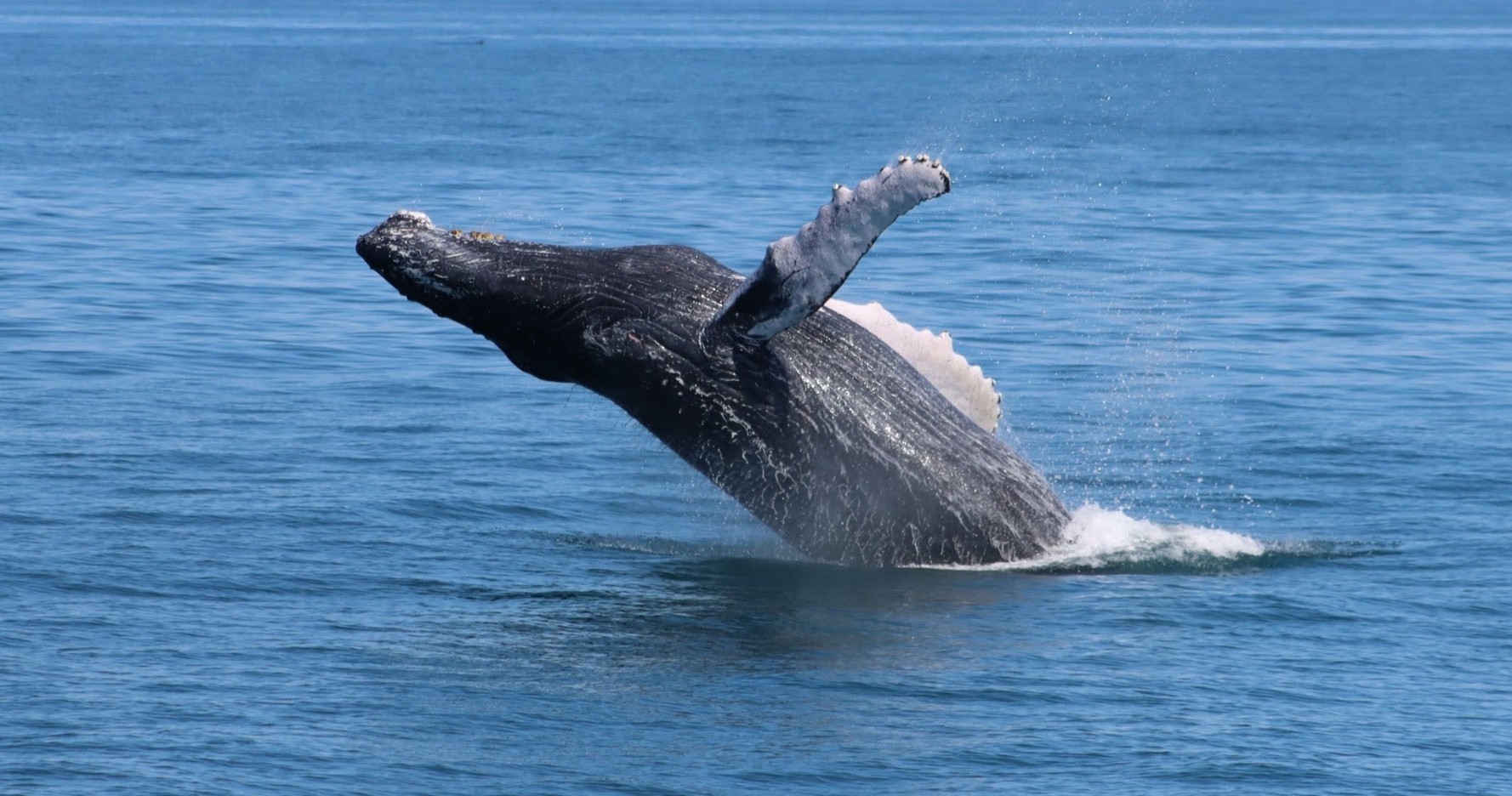
Dolphin Watching & Encounters in Greenwich, New Jersey
Where tidal creeks meet wide, braided estuaries, Greenwich offers one of southern New Jersey's quieter gateways to seeing coastal dolphins. Experiences here are intimate—small-boat cruises, kayak trips, and shoreline watches that focus on estuarine behavior, seasonal movements, and the living salt-marsh landscape that supports them.
Top Dolphin Trips in Greenwich
4 trips • Book with confidence • Instant confirmation
Why Greenwich Is a Noted Spot for Dolphin Encounters
Greenwich sits at a quiet hinge of land and tide where the Maurice River and nearby creeks flush into Delaware Bay. That meeting of freshwater and salt builds an unusually productive nursery for fish and crustaceans—an inviting buffet for bottlenose dolphins moving along the coast. Unlike the high-energy, open-ocean displays of offshore tours, dolphin watching here is a study in coastal ecology: slow, close quarters, and often unexpectedly theatrical. You can watch adults shepherding calves through tidal channels, see bursts of activity where silversides and menhaden concentrate, and observe how dolphins use estuarine edges as hunting corridors.
This region has a working-water heritage: watermen, clammers, and small-scale fishers have read these tides for generations, and that local knowledge shapes responsible, small-boat approaches to wildlife viewing. The experience pairs natural history with human history—salt marsh dikes, old piers, and low-lying farms line the route, offering contrasting textures that feel more like a coastal memoir than a theme-park sighting. Because tours are often limited to smaller vessels or guided kayaks, encounters tend to be quieter and more observant, which benefits both the animals and those wanting a deeper connection to place.
Practical considerations steer the rhythm of visits. Tidal stages, calm mornings, and warmer months increase the likelihood of sightings, and operators will time departures accordingly. Weather can flip quickly along the bay—clear, glassy mornings can turn windy by afternoon—so most guides recommend early starts. For travelers who prefer land-based observation, low tide spits and barrier beaches provide vantage points for scanning nearshore channels, while guided paddle trips let you access narrow creeks where dolphins occasionally weave between submerged eelgrass beds.
Complementary activities naturally slot into a dolphin-centered itinerary: shorebirding on the mudflats, chartered fishing trips to understand local fisheries, and kayaking quiet tidal creeks to learn the marsh’s microhabitats. Above all, Greenwich’s dolphin scene is about modular, low-impact access—small groups, experienced skippers, and a seasonally tuned approach that privileges animal welfare and meaningful observation over spectacle.
Encounters here emphasize behavior over numbers. Expect to learn about feeding tactics, calf socialization, and how tidal rhythms concentrate prey.
Operators in the area typically run small vessels and guided kayaks; larger commercial dolphin cruises are not the norm, which preserves quieter viewing conditions.
Because sightings concentrate in certain months and tidal conditions, local guides sometimes cross-reference fishing activity and bird concentrations to pick the best launch windows.
Best Time to Visit
Best Months
Weather Notes
Warm months offer the highest chance of active sightings; calm, low-wind mornings are best. Summer heat can be strong midday; fall brings crisp mornings but sometimes stronger onshore winds. Winter sightings are possible but far less frequent and more dependent on coastal movement.
Peak Season
June–September
Off-Season Opportunities
Late spring and early fall can be quieter and still productive—fewer visitors and comfortable temperatures. Winter offers solitude on shoreline watches but lower sighting probability.
Frequently Asked Questions
Do I need special permits to go on dolphin-watching trips?
Most public dolphin-watching outings operate under the permits held by licensed guides or charter operators; as a visitor you generally do not need a personal permit. If you plan independent access with a launch from protected lands, check with local authorities about launch rules.
How close can boats or kayaks get to dolphins?
Responsible operators adhere to recommended viewing distances and behaviors to avoid stressing animals. Expect guides to maintain respectful space, approach slowly, and avoid encircling or driving directly through groups.
Are kayak trips safe for beginners?
Yes—many guided kayak tours are suitable for beginners. Guides provide introductory paddling instruction, flotation devices, and route choices based on tides and conditions. Inform operators of your experience and any mobility concerns.
Choose Your Experience Level
Beginner
Short shoreline watches or calm-water, guided small-boat trips that require minimal preparation.
- Half-day small-boat dolphin watch
- Shoreline observation at low-tide flats
- Introductory guided kayak on protected creeks
Intermediate
Longer launches with moderate sea exposure, active paddling trips, or photo-focused cruises that require more stamina and camera readiness.
- Full-morning guided kayak through tidal channels
- Photography-focused small-boat charter
- Combination birding-and-dolphin eco-cruise
Advanced
Extended coastal expeditions, scientific or volunteer survey trips, or self-led sea kayaking in exposed conditions requiring strong paddling skills and navigation.
- Multi-hour coastal kayak crossing (advanced conditions)
- Volunteer marine mammal survey with a research group
- Self-guided boat outing in variable tidal conditions
Insider Tips & Local Knowledge
Respect tides, local operators, and wildlife—keeping trips small and quiet is better for everyone.
Book early-morning departures for calmer seas and higher sighting odds. Ask operators about tide timing; moving fish and tidal funnels often predict where dolphins will hunt. Choose small-boat or kayak operators who emphasize education and low-impact practices—these trips prioritize animal welfare and often result in longer, more natural observations. If photographing, use a mid-telephoto lens and lower your shutter delay; dolphins surface quickly and unpredictably. On guided paddles, lean into the guide’s instructions about wake, approach, and emergency procedures—your safety and the animals' comfort rely on good boat handling. Finally, combine a dolphin trip with nearby activities—marsh birding at low tide, visits to local oyster farms, or a sunset walk on barrier beaches—to round out the day and deepen your sense of the coastal ecosystem.
What to Bring
Essential
- Waterproof layers and windbreaker (tides and breezes change fast)
- Binoculars or a zoom lens for behavioral observation
- Seasickness remedies if you're prone to motion sickness
- Water bottle and sun protection (hat, sunscreen)
- Dry bag for electronics on small boats or kayaks
Recommended
- Camera with telephoto or fast autofocus for surface action
- Light insulating layer for early-morning departures
- Comfortable, non-marking water shoes for boat decks and launches
- Spare phone battery or power bank
Optional
- Polarized sunglasses to reduce glare on water
- Field guide to local marine mammals and shorebirds
- Notebook for jotting behavioral notes
Ready for Your Dolphin Adventure?
Browse 4 verified trips in Greenwich with instant booking
Explore Top 15 Greenwich, New Jersey Adventures →