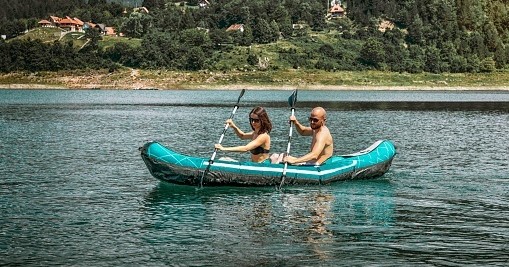
17 Best Kayak Paddles in Greenport, New York

Greenport, New York

Greenport sits at the eastern tip of Long Island’s North Fork like a small harbor town that was built to be paddled around. Set where salt air meets tidal estuaries and shallow bays, this is an area defined by gentle, glassy mornings and wind-swept afternoons. Kayaking here ranges from sheltered harbor loops among historic wharves to longer, navigationally engaging crossings toward Shelter Island and Gardiners Bay. The routes highlight working waterfronts, oyster beds and eelgrass meadows, migrating birds, and scattered coves that feel privately owned despite the town’s summertime crowds. For paddlers, Greenport is a study in contrasts: quiet, micro-tidal coves perfect for beginners; open-water legs where timing and respect for currents matter; and shoreline culture—fishing boats, ferries, and small marinas—that rewards attentive navigation and a slow, curious pace.

17
Activities
Late spring through early fall
Best Months

Top Kayak Trips in Greenport

17 trips • Book with confidence • Instant confirmation

Why Greenport Is a Standout Kayaking Destination

Paddling out of Greenport feels like entering a living postcard: a mix of working harbor, restored victorian facades, and a coastline stitched with coves and islands. The town’s position at the mouth of Peconic Bay creates an accessible variety of water: calm tidal creeks that thread through salt marshes, broad shallow bays that reflect big skies, and more exposed channels where you’ll read wind and tide like a map. For day paddlers and multi-day adventurers alike, Greenport is rewarding because it lets you tailor the risk and scale of your outing—launch from a quiet public ramp for a breakfast loop around a protected cove, or plan a longer route timed to current for a crossing to Shelter Island or the jetties at Orient Point.

There’s also an appealing cultural texture to paddling here. Greenport’s shoreline still operates as a working maritime place: scallop boats, lobster traps, and oyster beds are part of the scenery and the local economy. That working-edge gives paddling routes a purposeful feel—you’re watching an active seascape rather than a purely recreational one. Historic lighthouses, old fish wharves converted into cafes, and seasonal shellfish farms appear in close proximity, so breaks onshore are as much about tasting the place as resting between strokes.

Ecology matters here: eelgrass meadows, nursery flats for summer fish, and tidal marshes attract migrating shorebirds and make quiet coves hotspots for wildlife viewing. That sensitivity also shapes how you should paddle—avoid disturbing shallow beds, give nesting birds distance during spring, and be mindful of areas marked for shellfish restoration. Weather and tidal rhythm are part of the local vocabulary. Mornings often offer the calmest conditions and the best light; afternoons can build wind over the Sound, making open crossings more demanding. Seasonal rhythms are clear: spring and early summer bring migrating birds and cool water, midsummer fills the harbors with recreational craft, and fall gives some of the clearest, most stable paddling days.

For travelers, Greenport’s compact scale is an advantage. Launch points, rental shops, and guided operators are clustered within easy reach of the village, so you can combine a half-day paddle with a lobster roll on a historic dock or a sunset cruise. The best paddling is both about place—salt, boats, and shore—and about timing: a little planning around tides and wind opens up routes that are calm, scenic, and richly connected to the maritime soul of the North Fork.

Greenport’s mix of sheltered flats and short open-water sections makes it uniquely adaptable—ideal for families, sporty sea kayakers, and anyone who likes shoreline exploration paired with easy logistics.

Respect local water uses: shellfishing areas, commercial boat lanes, and ferry corridors all coexist with recreational paddling, so navigation awareness and polite distance matter.

Activity focus: Sea & coastal kayaking in sheltered bays and short open-water crossings
Number of listed trips: 17 varied paddles (harbor loops to channel crossings)
Typical launch points clustered near the village harbor and public ramps
Sensitive habitats include eelgrass beds and tidal marshes—avoid shallow shoals at low tide
Morning launches usually offer the calmest water; afternoons can be windy, especially July–September

Best Time to Visit

Best Months

MayJuneJulyAugustSeptemberOctober

Weather Notes

Late spring through early fall offers the most comfortable water temperatures and calmer mornings. Summer brings more recreational traffic and afternoon sea breezes; fall can produce quiet, clear days with steady conditions. Watch for nor'easters in shoulder seasons and icy conditions in winter if attempting any paddles off-season.

Peak Season

July–August for highest visitor numbers and busiest harbors.

Off-Season Opportunities

May and September deliver fewer crowds, migrating birds, and often more stable paddling windows. Off-season paddling in cooler months is possible for well-equipped paddlers but requires attention to cold-water safety.

Frequently Asked Questions

Do I need permits to kayak around Greenport?

Most recreational paddling around Greenport does not require a permit. Specific islands or preserves may have access rules or seasonal restrictions—check with local land managers before landing in protected areas.

Are there rentals and guided trips available?

Yes. Kayak rentals and guided outings are commonly available during the paddling season; they’re a good option if you want local route knowledge or gear. Availability can be limited in early spring and late fall.

How do tides and currents affect routes?

Tides and local currents shape crossings and passage timing—some routes are easier on an incoming tide, others on an outgoing one. Consult tide charts and plan crossings for slack or favorable flow, especially for Shelter Island or Orient Point legs.

Choose Your Experience Level

Beginner

Calm, short loops inside Greenport Harbor or small sheltered coves with minimal exposure and easy put-ins.

  • Harbor loop around Greenport waterfront
  • Short paddle into a sheltered salt-marsh creek
  • Gentle estuary exploration at low wind

Intermediate

Longer excursions across sections of Peconic Bay, paddles that require basic navigation, tide awareness, and moderate stamina.

  • Crossing to Shelter Island (timed with tide)
  • Point-to-point paddle along the North Fork shoreline
  • Exploratory circuit of nearby coves and offshore shoals

Advanced

Open-water legs with exposure to wind and ferry traffic, longer distance routes that require advanced navigation, surf skills, and solid weather judgment.

  • Open crossing near Orient Point or Gardiners Bay
  • Extended multi-hour circumnavigation with changing conditions
  • Passage that navigates through ferry lanes and commercial traffic

Insider Tips & Local Knowledge

Tides, wind, and working-water traffic shape nearly every paddle—plan accordingly.

Launch early for the calmest water and the best light. Check tide tables and local wind forecasts before heading out; many successful routes depend on timing slack tides or favorable currents. Give working boats and ferries wide berth—ferries have restricted maneuvers and commercial vessels may be less able to avoid small craft. Respect eelgrass beds and shellfish areas: avoid dragging kayaks over flats and refrain from landing in posted restoration zones. If you’re new to the area, consider a guided paddle for local route knowledge and instruction on reading currents here. Pack for changing conditions—a warm layer and a waterproof phone or VHF will reduce risk if wind or fog develops. Finally, support local stewardship: leave no trace, follow posted closures for nesting birds, and ask before landing on private shorelines.

What to Bring

Essential

  • USCG-approved life jacket (PFD)
  • Waterproof phone case or VHF radio
  • Tide and local chart or navigation app
  • Sun protection (hat, sunglasses, sunscreen)
  • Quick-dry layers and a wind shell

Recommended

  • Dry bag for snacks and spare layers
  • Reef shoes or water sandals for rocky landings
  • Whistle and signaling mirror
  • Water bottle and electrolyte snack

Optional

  • Binoculars for birding
  • Light first-aid kit
  • Camera in a waterproof housing
  • Neoprene gloves for chilly mornings

Ready for Your Kayak Adventure?

Browse 17 verified trips in Greenport with instant booking

Explore Top 15 Greenport, New York Adventures →