Photography Tours in Green Valley, Colorado — Top 4 Photo Adventures
Green Valley condenses Colorado’s wide skies and near-desert light into an accessible playground for photographers. From dawn across riparian meadows to midnight under a deep Milky Way, the area’s compact mix of riverbanks, rolling agricultural textures, and scattered outcrops makes it ideal for short guided photo tours and multi-hour workshops. This guide focuses on the photography-specific terrain, seasonal windows, and practical planning you’ll need to make the most of the four curated photo experiences in and around Green Valley.
Top Photography Tour Trips in Green Valley
4 trips • Book with confidence • Instant confirmation
Why Green Valley Is a Standout Photography Destination
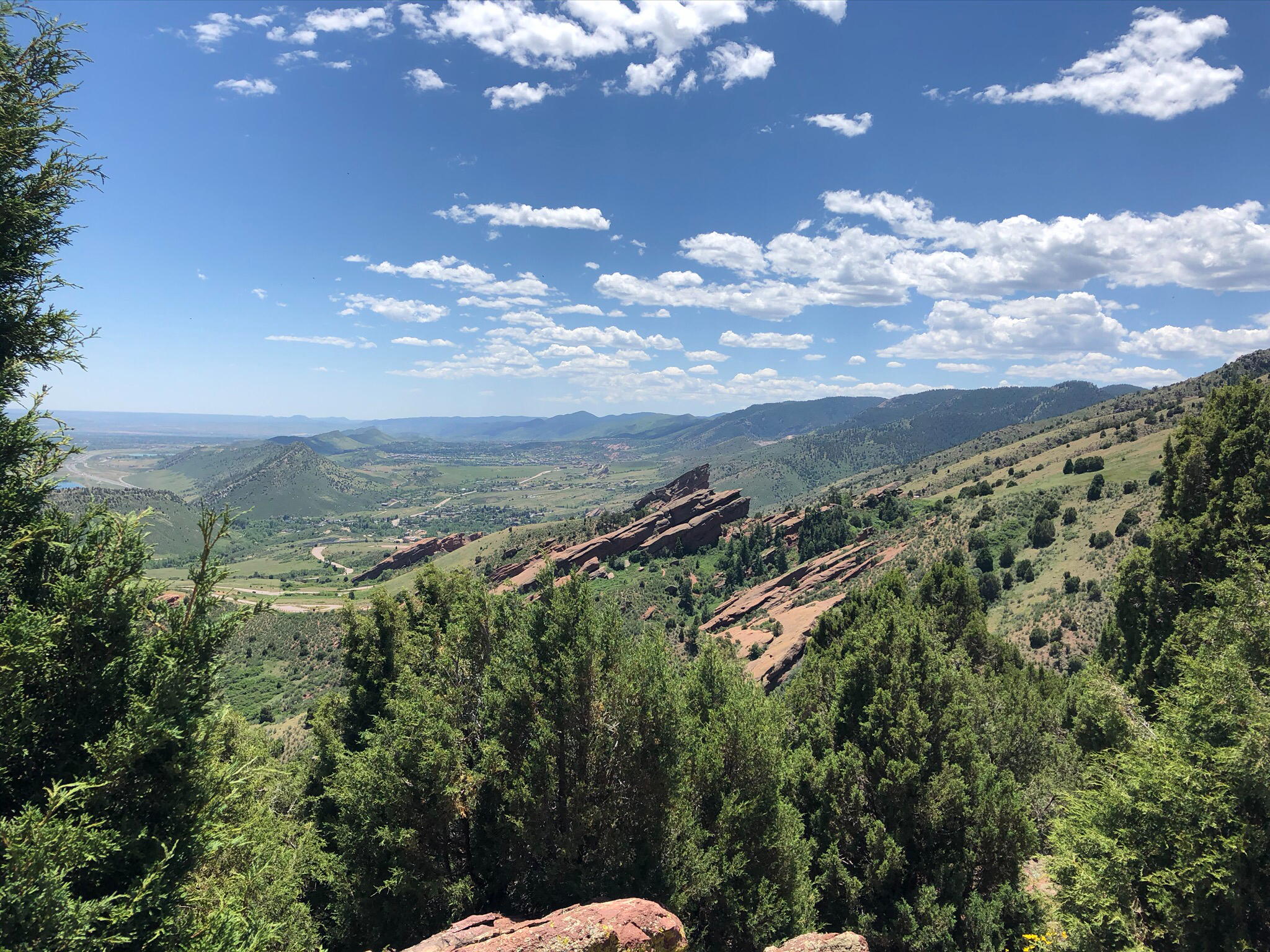
Green Valley is less about monumental peaks and more about light behaving beautifully across varied, intimate terrain. The visual language here favors layers: long, low sun slanting across floodplain grasses; a ribbon of river reflecting sky; fractured sandstone or basalt outcrops punctuating the horizon; and the neat geometry of hayfields and irrigation channels that change color with the seasons. For photographers who prefer composition over altitude, Green Valley is a study in accessible motifs—foreground texture you can crouch down to photograph, middleground ridgelines that catch side light, and open skies that keep storms and the Milky Way within reach.
The area’s scale makes it an efficient base for targeted shoots. Guided photography tours here are typically half-day to full-day outings that emphasize timing and light rather than long approaches. Sunrise and sunset are the obvious bookends, but storm-driven light and the ephemeral windows after rain create dramatic contrasts at unexpected times. Spring brings green flushes and prolific shorebirds along the river; early summer can reward photographers with cottonwoods and emerging meadow flowers; late summer and early fall offer the clearest nights for astrophotography and a shift to warmer tones on grasses and fields.
Beyond pure landscape, Green Valley supports a compact ecosystem that suits wildlife and bird photographers—waterfowl, raptors perched on fence posts, and ungulates in the wider valley are common subjects if you keep respectful distances and follow guidance from your guide. Cultural textures—working ranches, irrigation ditches, and small-town main streets—provide human-scale stories that complement pure nature compositions. Local guides who run the photography tours here balance technical coaching (composition, exposure blending, use of filters) with low-impact practices: scouting private-access viewpoints, respecting seasonal closures, and advising on safe distances from wildlife.
The practical upside is accessibility. Many iconic vantage points are walkable from trailheads or require only a short drive on well-maintained backroads; a few involve moderate off-trail walking across uneven surfaces. For night photography, Green Valley's distance from major urban light domes means relatively dark skies, making Milky Way shoots and star-trailing sessions feasible straight from roadside pullouts or small clearings. All this makes Green Valley ideal for photographers who want to practice craft—landscape, wildlife, macro, and astro—without committing to long backcountry hikes or complicated logistics.
Small, varied terrain equals more photographic opportunities per hour. You can scout, shoot, and iterate quickly—ideal for workshops or those short on time.
Seasonal highlights vary: spring for migratory birds and fresh greens, summer for warm textures and night skies, fall for mellow light and harvested-field geometry. Weather can shift quickly; plan flexible sessions.
Best Time to Visit
Best Months
Weather Notes
Spring and early summer offer fresh color and migratory bird activity; late summer brings clearer nights for astrophotography; fall delivers warmer tonal palettes and easier hiking temperatures. Afternoon thunderstorms are possible in warmer months—plan golden-hour shoots for early morning or late afternoon and build flexibility into schedules.
Peak Season
Late spring (bird migration and green up) and early fall are the busiest windows for guided photography tours.
Off-Season Opportunities
Winter can provide stark landscapes and dramatic light after snow, plus solitude for long-exposure and abstract compositions. Night-sky work is viable year-round when conditions are clear.
Frequently Asked Questions
Do I need permits to photograph in Green Valley?
Most roadside pullouts, public river access points, and trailheads do not require permits. Private lands and some managed conservation areas may require permission or guided access—confirm with your tour operator or local land manager before shooting on private property.
Are the photography tours beginner-friendly?
Yes. Several tours cater to photographers of all skill levels, combining basic composition and camera-tech coaching with accessible locations. Ask the operator about group size and skill focus when booking.
Can I fly a drone for aerial shots?
Drone use is subject to federal and local regulations and may be restricted over private lands, wildlife areas, and during certain seasons. Always check local rules and obtain authorization where required; many guides offer alternatives or can arrange permitted flights.
Choose Your Experience Level
Beginner
Short, guided sessions that focus on composition, basic exposure control, and framing in accessible locations with minimal walking.
- Sunrise riverbank composition workshop
- Golden-hour field and fence-line study
Intermediate
Half-day outings combining varied light conditions, basic wildlife observation etiquette, and introduction to long-exposure and HDR techniques.
- Badlands light and texture tour
- Afternoon-storm landscape session
Advanced
Full-day or multi-session shoots emphasizing advanced techniques—panoramas, focus stacking, night-sky mosaics, and private-access viewpoints requiring more planning.
- Night-sky and Milky Way composite workshop
- Field-to-foreground panoramic workflow day
Insider Tips & Local Knowledge
Always verify access, closures, and weather before heading out. Respect private property and wildlife.
Scout in advance whenever possible—many of the best Green Valley compositions are found by walking 10–20 minutes from a roadside pullout. Aim to arrive at least 30 minutes before sunrise and stay until blue hour after sunset to maximize light windows. For night shooting, confirm moon phases; new-moon windows yield the best Milky Way detail. Bring a headlamp with a red-light mode to preserve night vision and avoid disturbing other photographers. If wildlife subjects are a goal, maintain respectful distances and avoid baiting; guided tours can place you in the right location with minimal disturbance. Finally, carry a simple backup workflow: copy at the end of each day, label folders by date and location, and review highlights to plan the next shoot. For drone pilots, secure permissions in writing and avoid flying near nesting areas or over people.
What to Bring
Essential
- Camera body and two lenses (wide-angle and short telephoto recommended)
- Sturdy tripod for low-light and long exposures
- Extra batteries and memory cards (cold drains power faster)
- Weather-sealed bag or protective cover
- Layered clothing and sun protection
Recommended
- Polarizing and neutral-density filters for reflections and long exposures
- Remote shutter release or intervalometer
- Small spotting scope or telephoto lens for wildlife
- Basic field guide or plant/avian ID app for contextual shots
Optional
- Lens cleaning kit and microfiber cloth
- Gaiters or waterproof footwear for marshy riverbanks
- Portable LED panel for fill light or light painting during night shoots
- Compact drone—but only if you have local authorization and follow regulations
Ready for Your Photography Tour Adventure?
Browse 4 verified trips in Green Valley with instant booking
Explore Top 15 Green Valley, Colorado Adventures →