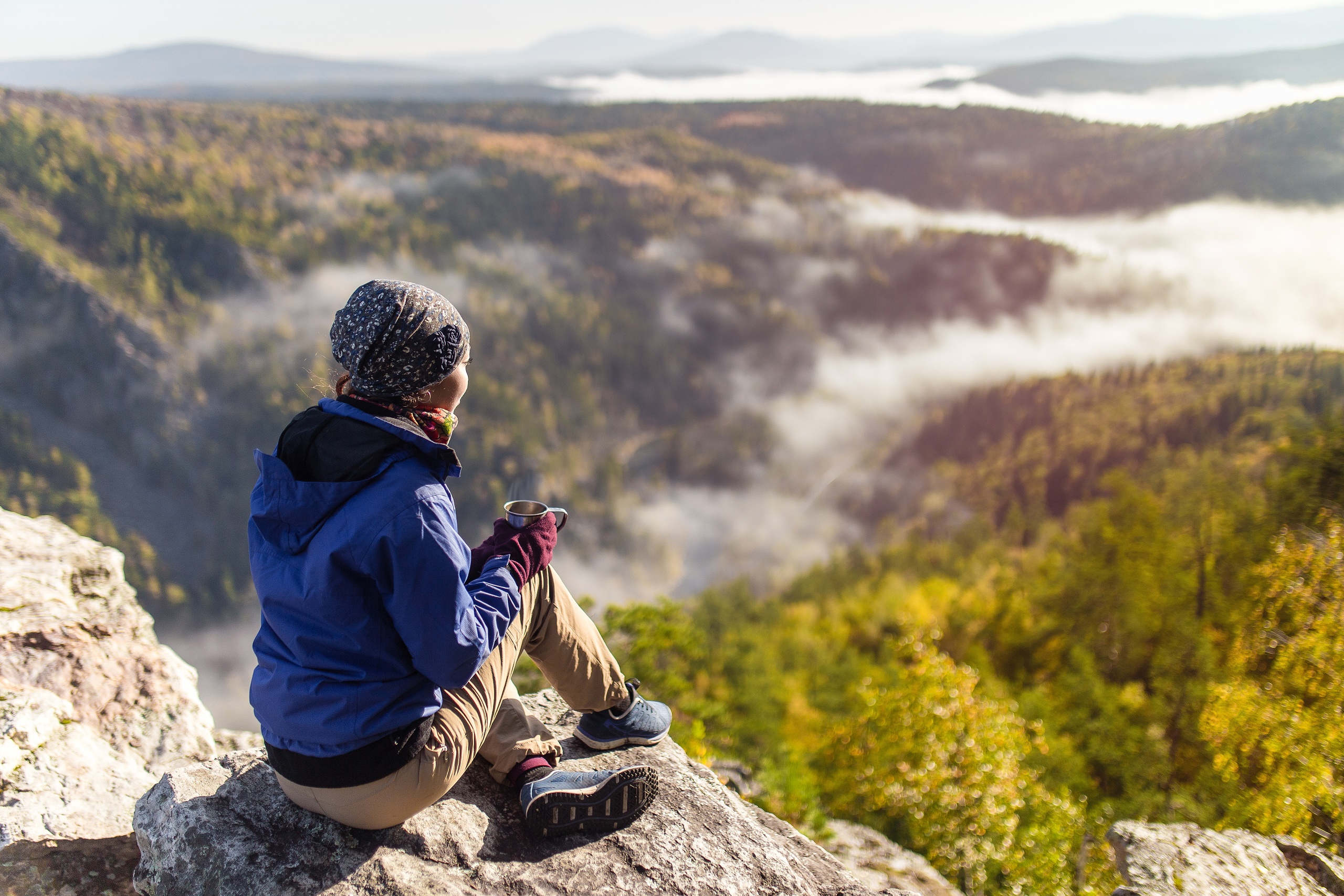
Why Grand Lake Is a Standout Hiking Destination
There are places where the landscape feels deliberately arranged to reveal itself slowly: a pocket of aspens trembling beside a mirror-still lake, a ribbon of trail that climbs into cold, thin air and suddenly spills you onto a 360-degree bowl of peaks. Grand Lake is one of those places. Sitting at the western edge of Rocky Mountain National Park, the town is both a portal and a character in the story of the high country. Hikers based here get quiet mornings on lakefront promenades, late-day alpine light on ridgelines, and access to valley trails that run through Kawuneeche’s broad marshes and up toward the Continental Divide.
What marks hiking around Grand Lake is contrast. Lower-elevation routes weave among lodgepole and aspen stands where wildflowers collect in gullies and the shade can feel almost domestic. A short drive and an hour of steady climbing will take you into the realm of krummholz and tundra where the wind scours the ground and the views stretch forever. Because the terrain changes so quickly, a single day can offer a multiplicity of experiences: reflective lakeside sections, creekside boulder-hopping, boardwalked marsh passages, and exposed alpine ridges. The result is a varied palette for hikers of different appetites — families who want gentle loops near water, photographers chasing reflective mornings, and mountaineers testing footing on steep passes.
Seasonality tightens the character of the place. Snow lingers on many higher trails into late spring, wildflower meadows ignite in early summer, and fall flushes the aspens into gold in September. Summer brings long daylight and a steady rhythm of afternoon thunderstorms that are omnipresent at elevation; that weather shapes planning as much as the trails themselves. Wildlife is another constant presence: elk move through the valley bottoms, moose frequent willowy marsh edges, and smaller mammals and birds animate the understory. Respecting wildlife space and practicing Leave No Trace are practical imperatives — and part of the pleasure of being in a landscape that still has room to breathe.
Practically speaking, Grand Lake’s hiking appeal is heightened by accessibility. From the town, several trailheads give immediate access to gentle lakeshore walks and longer valley routes. A short drive puts you at national park trailheads that lead into high country, where permit regimes, entrance fees, and seasonal closures can shape itineraries. The town itself is a good base: food, fuel, and last-minute supplies are available, but the deeper you go into the park the more self-sufficient you must be. Hikes around Grand Lake reward planning: bring layers for the sudden shifts in weather, expect evolving trail conditions as snowmelt or storms alter creek crossings, and allow extra time for the slow things — a marmot sunning on a rock, a deer slipping into the aspens, or that late-afternoon light on a distant spire.
For visitors who value variety, Grand Lake delivers. Its trails are an education in altitude, ecology, and weather — steep in lessons, scenic in results. Whether you’re chasing a sunrise over a lake, scouting tundra flowers along a divide saddle, or wandering a shadowed valley, the hiking here makes the high Rockies feel immediate and intimate.
Accessible day-hikes sit alongside multi-hour valley walks and high-elevation scrambles. Trails that start near Grand Lake quickly trade lakeside calm for alpine exposure, so many routes are best approached with a plan for changing conditions: early starts to avoid afternoon storms, ready layers for wind and sudden temperature drops, and good maps for routes that cross ridgelines or pass through marshy valley floors.
Because Grand Lake is the western approach to a large national park, trailhead management and shuttle or parking changes can influence itineraries. Before you go, check park resources for entrance conditions and be prepared for limited services once you leave town. The trade-off is solitude: many trails here remain quieter than more famous eastern park trails, especially on weekdays and in shoulder seasons.
Choose by purpose
Whale watching, snorkeling, sunset sailing, cultural canoeing, harbor sightseeing, or private chartering.
Start near the city
Waikiki and Honolulu Harbor are primary hubs, with some trips launching near Hanauma Bay.
Confirm the vessel
Gangways, shaded seating, and boarding requirements vary according to vessel size and operator.