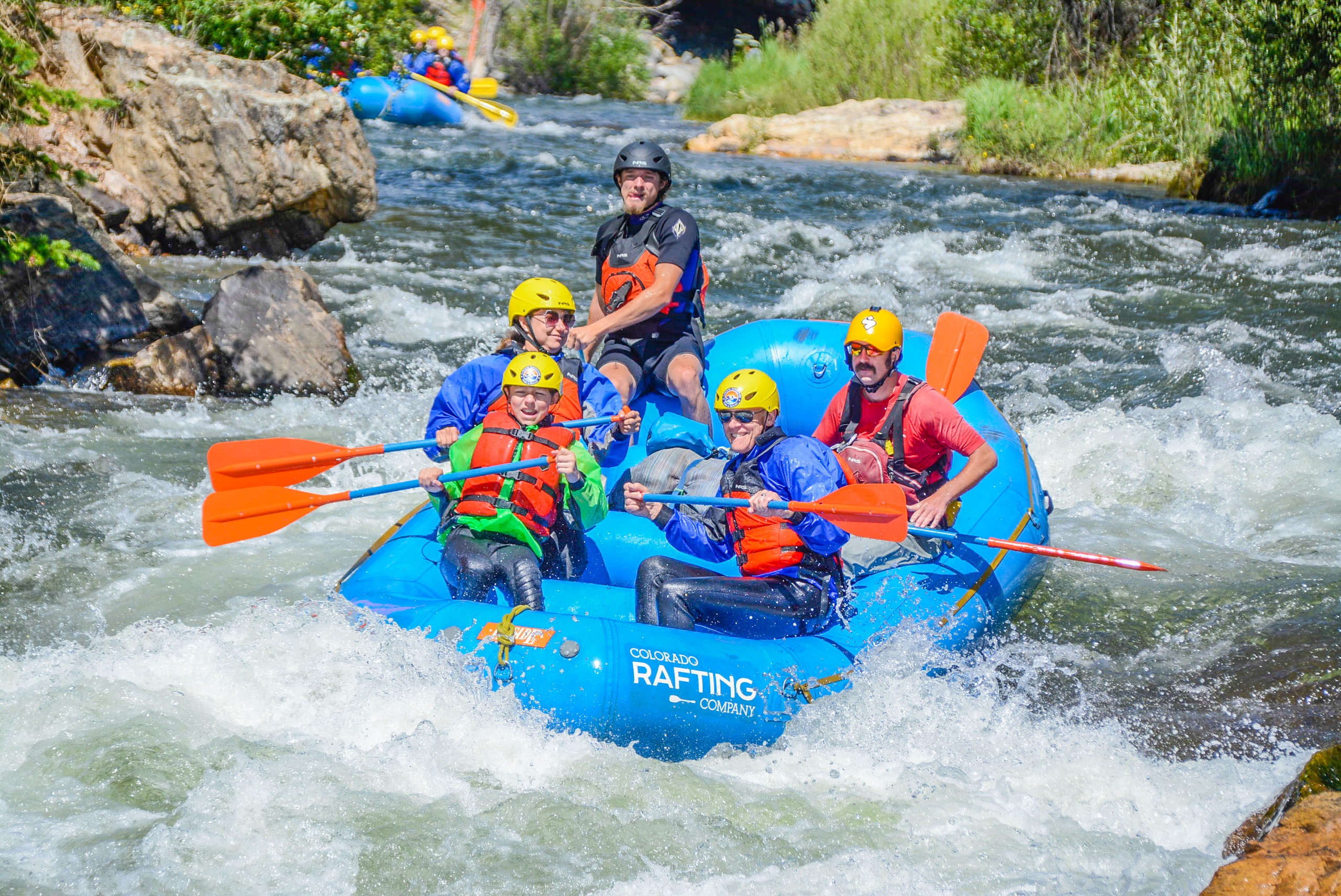
Rafting in Granby, Colorado: Top 8 Trips
Granby sits where mountain runoff becomes motion — the headwaters of the Colorado River push clear, cold, and eager past aspens and lodgepole pines, and that current is the central draw for rafters. From family-friendly floats to full-throttle whitewater downriver, Granby gives access to varied river terrain with high-alpine backdrop and close proximity to the town's services and lodging.
Top Rafting Trips in Granby
8 trips • Book with confidence • Instant confirmation
Why Granby Is a Standout Rafting Base
Granby is a small town with a big relationship to moving water. Here the high-country runoff that begins in the Wind River and Never Summer ranges funnels into a braided, muscular set of channels that feed the Colorado River and its tributary, the Fraser. What that means for paddlers is a compact spectrum of experiences: gentle floats that let families and first-timers soak up alpine sunlight; technical stretches that demand precise strokes and a steady guide; and nearby canyon runs that test the mettle of experienced crews. The landscape is part of the river story. Granite outcrops and aspen pockets give way to wide valleys and abrupt canyon walls, and the river’s character can change mile by mile as snowmelt swells the flow.
Seasonality is central to rafting here. Spring runoff—often cresting in May and into June—creates big, fast water that draws adrenaline seekers and dictates where commercial operators will run boats safely. By mid-summer flows mellow, opening the calendar to family half-days, scenic floats, and fishing-access trips where anglers combine drift-boat work with guided rafting. Fall narrows the window: lower flows can make late-season runs shallow or put more emphasis on shorter, scenic float options. Winter returns the river to hush and stores its power under a blanket of snow, shifting Granby’s outdoor focus to fat-biking, snowshoeing, and hot-spring dips.
Granby’s appeal is both practical and poetic. The town is a short drive from Denver and tucked next to Rocky Mountain National Park’s western approaches, giving rafters easy access to lodging, river shuttles, and complementary adventures. Anglers can pair a morning cast with an afternoon float; hikers can use a riverside put-in to reach backcountry trailheads; and photographers will find scale-changing light where mountain shadow meets moving water. For travelers who want to stitch a day on the river into a broader Colorado itinerary, Granby offers compact logistics without sacrificing the wild, elemental thrill of rafting itself.
Granby works as both launch point and classroom. Local outfitters calibrate trips by flow and group—kids and newcomers start on calm stretches while intermediate paddlers graduate to Class III runs. For advanced timberline-class whitewater, nearby Gore Canyon offers a remote, powerful option, though it is technical, less frequently guided, and best reserved for experienced crews or specialized operators.
Practical access is another advantage. Road networks are short and shuttle-friendly, so half-day and full-day loops are common; many outfitters provide transport between Granby and popular put-ins and take-outs. Lodging ranges from family-friendly inns to riverside cabins, and the town’s small-service footprint keeps logistics simple while supporting big-day planning.
Best Time to Visit
Best Months
Weather Notes
Spring brings high, swift flows from snowmelt; late spring to early summer is the peak whitewater window. High-elevation storms in summer can be sudden but brief; afternoons warm with potential for isolated thunderstorms. By September flows typically ease and water temperatures drop.
Peak Season
Late May through July, when runoff produces the most dynamic whitewater.
Off-Season Opportunities
Late fall and winter are quiet on the rivers but offer cross-training options: snow sports, hot springs, and lower-cost lodging. Early spring may offer guided raft-based fishing trips if flows permit.
Frequently Asked Questions
Do I need prior rafting experience?
No for most guided trips. Outfitters provide instruction and guides for first-timers on family and intermediate runs. Advanced canyon trips assume strong paddling experience and fitness.
Are trips child-friendly?
Yes—many operators run gentle floats and easy Class II sections appropriate for older children. Age minimums vary by provider and by trip; check with the outfitter for specific requirements.
How should I prepare for high-water spring runs?
Expect colder water, stronger currents, and more dynamic rapids. Dress for immersion with neoprene or layered synthetics, follow guide instructions, and ensure you are comfortable with a higher-adrenaline environment before booking.
Choose Your Experience Level
Beginner
Gentle floats and mild Class I–II stretches suitable for families, first-time rafters, and scenic river outings. These trips emphasize views, wildlife, and relaxing on moving water rather than technical maneuvers.
- Half-day family float on a mellow stretch of the Colorado headwaters
- Sunset or sunrise scenic paddle with easy shore access
- Introductory paddle combined with riverside picnic and short hike
Intermediate
Class II–III runs with occasional technical moves, bigger waves, and longer distances. Appropriate for those comfortable with basic paddling commands and interested in spirited, guide-led whitewater.
- Full-day guided run with a mix of rapids and calm pools
- Rafting plus catch-and-release fly fishing stops
- Half-day intermediate run timed for peak spring flows
Advanced
Technical, high-consequence stretches—most notably Gore Canyon and steep Colorado River drops—requiring strong paddling skills, physical fitness, and experience with Class IV+ whitewater. Often run only by specialized operators or experienced raft teams.
- Remote, technical canyon descent with guided experts
- Multi-raft expedition on high-runoff days
- Self-organized paddling for expert crews with local scouting
Insider Tips & Local Knowledge
Check daily flow reports and operator advisories before booking. River conditions change quickly with temperature and precipitation.
Book early for late-spring weekends and holiday periods; outfitters run fewer boats on low-flow days. If you want high-action whitewater, aim for late May through June when runoff peaks—but be prepared for colder water and stricter safety protocols. For a more relaxed, multipurpose trip, mid-to-late July and August produce friendlier flows and warmer water temperatures. Combine rafting with morning fly-fishing on quieter stretches or an afternoon hike in Arapaho National Forest to make the most of Granby’s short travel distances. Pack layers for wind and spray, and bring a strap for sunglasses; lost eyewear is the most common gear casualty. Finally, ask outfitters about shuttle logistics and recommended gratuity practices; many operators include round-trip transport, but confirming meeting and drop-off details keeps your day running smoothly.
What to Bring
Essential
- Quick-dry swimwear and synthetic layers (no cotton)
- Secure water shoes or sandals with heel straps
- Sunscreen and a brimmed hat with retention strap
- Reusable water bottle (insulated preferred)
- A lightweight wind or waterproof layer for spray and wind
Recommended
- Neoprene top or shorty wetsuit during shoulder seasons
- Small dry bag for phone, keys, and snacks
- Sunglasses with floating strap and polarized lenses
- Waterproof camera or action cam with secure mount
- Waterproof sunscreen lip balm
Optional
- River shoes or booties for rocky shorelines
- Compact first-aid kit and blister care
- Lightweight towel and change of clothes for after the trip
- Cash or card for gratuities and local purchases
Ready for Your Rafting Adventure?
Browse 8 verified trips in Granby with instant booking
Explore Top 15 Granby, Colorado Adventures →