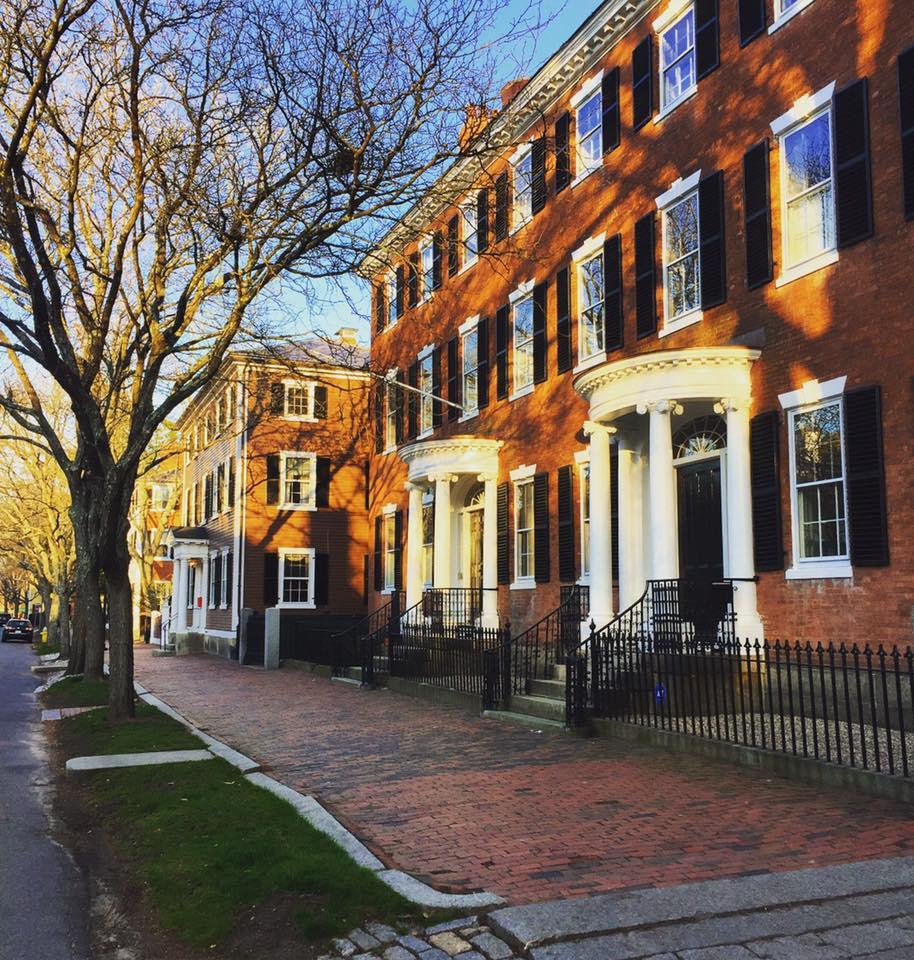
To walk Gloucester is to step through living chapters of coastal New England. The town’s scale is the first gift to a pedestrian: streets narrow, waterfronts are intimate, and neighborhoods shift in a few blocks from granite piers to artists’ studios to windswept headlands. The old harbor—still bristling with working fishing boats—sets the cadence. Early morning you'll find men mending nets and lobstermen hauling in traps while the smell of coffee and fried dough rises from family-run diners; by afternoon, the same harbor hums with tour boats and kayaks, and the tide exposes cobbles and seaweed-streaked pilings that tell a geography of use and endurance. Walking tours here are more than sightseeing: they're a sensory curriculum in maritime economy, geological edgework, and cultural resilience. Consider Rocky Neck, one of the country's oldest continuous art colonies. A walk through its lanes is an exercise in noticing: studio windows, plein-air easels, murals that riff on cod and capes, and small galleries tucked into fishermen’s cottages. The routes across Eastern Point and Annisquam offer a different curriculum—rocky promontories, wind-sculpted pines, and wide vistas where the Atlantic’s moods read plainly. Dogtown Common, once a colonial settlement and later a ghost-town of stone walls and cellar holes, becomes a labyrinth of history and open scrubland ideal for quiet contemplation and birding. For travelers who prefer curated insight, guided historical walks pair local lore with archival photos and point out architectural details you’d miss on your own—shipyard scaffolding, maritime plaques, and the subtle markers of an industry that still hauls its catch through town. Self-guided options, meanwhile, let you slow the cadence: linger at a clifftop bench, follow tide-lines for shelling, or time a harborwalk to coincide with boats coming in. Complementary activities are natural extensions: a short kayak from the harbor reveals hidden coves and seal haul-outs; a sailing charter reframes your walking perspective from sea level; coastal trails and nearby beaches reward walkers who want to stretch into longer day hikes. Seasonality shapes the experience—spring brings migratory birds and exploding green, summer layers in fishermen’s festivals and busy ferry runs, fall offers crisp light and fewer crowds, and winter walks can be austere and solitary but require extra care for exposed headlands. The net effect is a walking-tour landscape that is immediate, educational, and enduring—perfect for planners who want routes with historical depth, coastal drama, and practical logistics that make a day on foot uncomplicated and meaningful.
Gloucester’s compact downtown and waterfront mean multiple distinct walks can fit into a single day: a morning harbor history loop, a midday Rocky Neck gallery crawl, and an afternoon Eastern Point cliff stroll.
Seasonal rhythms matter—fishing seasons, tides, and weekend markets change what you’ll see. Check local calendars for festivals like St. Peter’s Fiesta and the Rocky Neck Art Colony open-studio weekends.
The harbor is the gateway, and the Pacific becomes the classroom.
Walking tours here balance hard infrastructure and wild edge: granite piers and boatyards give way quickly to windswept headlands and salt-scrub trails, so pair urban footwear with a wind layer.
Choose by purpose
Whale watching, snorkeling, sunset sailing, cultural canoeing, harbor sightseeing, or private chartering.
Start near the city
Waikiki and Honolulu Harbor are primary hubs, with some trips launching near Hanauma Bay.
Confirm the vessel
Gangways, shaded seating, and boarding requirements vary according to vessel size and operator.