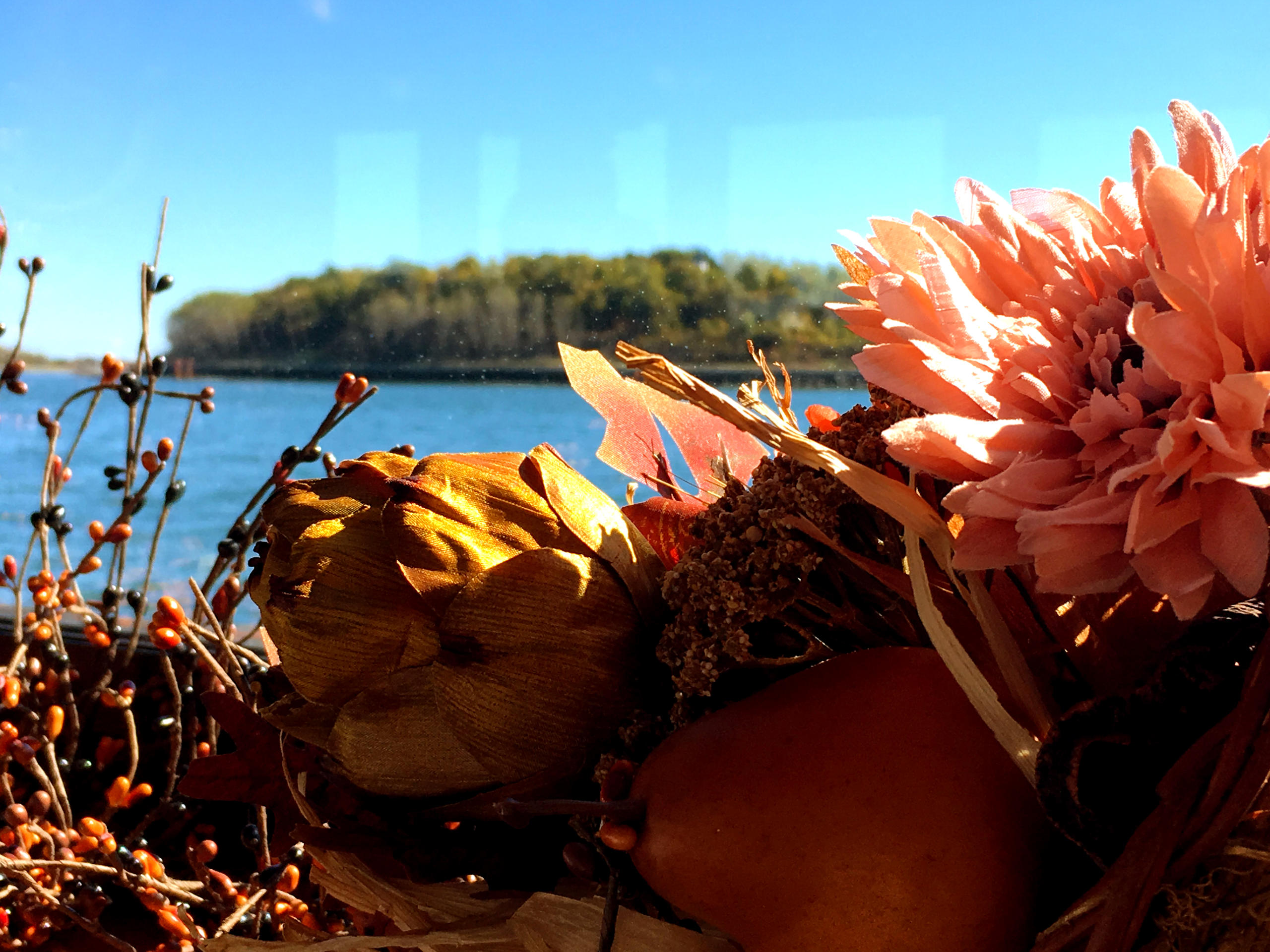
Ferry & Harbor Crossings in Gloucester, Massachusetts
Gloucester’s ferries are less about transit and more about a way to read the coastline. Short hops and longer excursions peel back the maritime layers of a working fishing port: lobster trawlers and schooners, salt-bright air, and islands that feel like private chapters of New England history. This guide focuses on ferry experiences—harbor shuttles, island hops, and whale-watching departures—so you can plan the crossing that fits your pace and appetite for sea time.
Top Ferry Trips in Gloucester
11 trips • Book with confidence • Instant confirmation
Why Gloucester’s Ferries Matter
The ferries that drift through Gloucester’s harbor are a lens into why this town still feels intrinsically maritime. Step onto a dock, and the choreography is immediate: crews check lines with practiced hands, gulls orbit the pylons, and the water keeps time with a shingled rhythm. A ferry here is not merely a connector between land and island; it is a front-row seat to an economy and culture shaped by wind and tide. For travelers, that translates to short passages that reward attention. A twenty-minute crossing becomes a study in light—how morning sun turns pilings to gold and how fog swaddles the outer harbor into a world that sounds larger than it looks.
Beyond aesthetics, Gloucester’s ferry options untether visitors from the constraints of single-shore sightseeing. Island landings and harbor loops drop you into intimate lighthouses, rocky beaches, and low-lying coves that are otherwise reachable only by water. Onboard, the small-boat cadence means passengers overhear local stories, learn which cove holds the seals, or discover which point is best for sunset. That local knowledge becomes part of the trip, and it’s why taking the ferry here feels less like commuting and more like initiation.
The practical value is equally compelling. Ferries serve as accessible entry points to outdoor activities—walking loops along island trails, beginner-friendly sea kayaking exits, and short hikes to the base of historic lighthouses. For wildlife seekers, departures timed with tidal movement concentrate birdlife and seal activity near haul-outs; in season, whale-watching departures push farther into deeper water where passes and currents draw marine mammals. For photographers, the ferry’s moving vantage provides both broad coastal panoramas and intimate studies of working boats. Seasonality matters: summer’s steady schedules make planning easy, but spring and fall crossings often deliver clearer light and sparser crowds. Winter service can be sporadic; the coastline is quieter then, and those crossings, when available, feel like invitations to a different Gloucester—one measured by wind and stark shoreline geometry rather than the busy bustle of high season.
Finally, the ferry network complements other Cape Ann adventures. Combine a short harbor shuttle with a morning hike on a coastal preserve, or pair an island landing with paddleboarding on calmer inshore waters. For many visitors, the ferry becomes the connective tissue between experiences: a practical transit, a scenic detour, and an elemental reminder that this place exists because people have long moved by water here.
Ferries in Gloucester function as both practical transport and tourism gateways—ideal for short island outings, wildlife tours, and accessing coastal trails without a car.
Seasonality shapes the experience: peak-summer schedules are reliable but busier; shoulder seasons often offer clearer seas, better wildlife viewing, and fewer crowds.
Best Time to Visit
Best Months
Weather Notes
Calmer seas and more frequent schedules occur from late spring through early fall. Summer offers warm days but more crowded decks; shoulder seasons (May, June, September) often have clearer air and better wildlife visibility. Afternoon fog and brisk northeasterly winds can briefly change conditions—check local forecasts before departure.
Peak Season
July–August
Off-Season Opportunities
Late fall and early spring crossings can offer solitude, dramatic light, and bird migrations. Service may be reduced, so verify schedules in advance.
Frequently Asked Questions
Do ferries require advance booking?
Advance booking is recommended for popular summer weekend departures and whale-watch excursions. Short harbor shuttles sometimes allow walk-on passengers, but capacity can fill quickly on holiday weekends.
Are ferries wheelchair accessible?
Accessibility varies by vessel and landing. Many operators provide level boarding at certain docks, but some island landings use floats or gangways with steps. Contact the operator ahead to confirm accessibility specifics for your departure.
Can I bring a bike or kayak on the ferry?
Policies differ between operators. Some ferries accept bicycles for a small surcharge when space allows; kayaks usually require specialized arrangements or charter services. Check with the specific operator before arrival.
Choose Your Experience Level
Beginner
Short harbor shuttles and calm inner-harbor loops that require minimal sea time and are suitable for all ages.
- Gloucester harbor loop (short scenic ride)
- Short island hop with light walking
- Half-hour sightseeing cruise with commentary
Intermediate
Longer crossings to outer islands, combined wildlife excursions, or trips where you’ll disembark for short hikes and beach exploration.
- Island landing plus coastal trail walk
- Whale-watch departures that stay offshore for several hours
- Half-day boat-and-beach outing with picnic
Advanced
Extended offshore crossings, multi-leg island-hopping itineraries, or independently chartered routes that require sea-savvy planning and variable-conditions readiness.
- Full-day charter to remote coves or neighboring islands
- Multi-stop coastal exploration combining sailing and shore hikes
- Offshore wildlife expeditions requiring longer sea travel
Insider Tips & Local Knowledge
Check operator schedules, arrive early for boarding, and respect working-boat operations in the harbor.
Aim for early departures to catch calm water, softer light, and less crowded decks. If you’re chasing wildlife, talk to local crew members about recent sightings—captains and deckhands are often the best source for real-time tips. Pack layers; conditions on deck can be 10–20°F cooler than onshore, and even summer afternoons can get windy. For island visits, bring cash for limited services and carry out what you bring in—trash receptacles can be scarce. If you’re prone to seasickness, choose morning sails when waters are typically calmer and consider pressure-band wristbands or medication. Finally, pair a ferry ride with a short coastal hike or a harborfront meal to round out the day: the crossing works best when it’s part of a loose itinerary rather than just a single transit.
What to Bring
Essential
- Windproof layer and a light insulating layer (sea breezes can be sharp)
- Non-slip shoes for wet decks and docks
- Motion-sickness medication if you are prone to seasickness
- Reusable water bottle and weatherproof sunscreen
- Photo gear with a strap or secure case
Recommended
- Small daypack to carry layers and snacks
- Binoculars for bird- and seal-watching
- Waterproof phone case or dry sack
- Hat and sunglasses for glare reduction
Optional
- Compact folding umbrella for unexpected squalls
- Light camera tripod or monopod for longer exposures
- Snack cash for dockside vendors and island kiosks
Ready for Your Ferry Adventure?
Browse 11 verified trips in Gloucester with instant booking
Explore Top 15 Gloucester, Massachusetts Adventures →