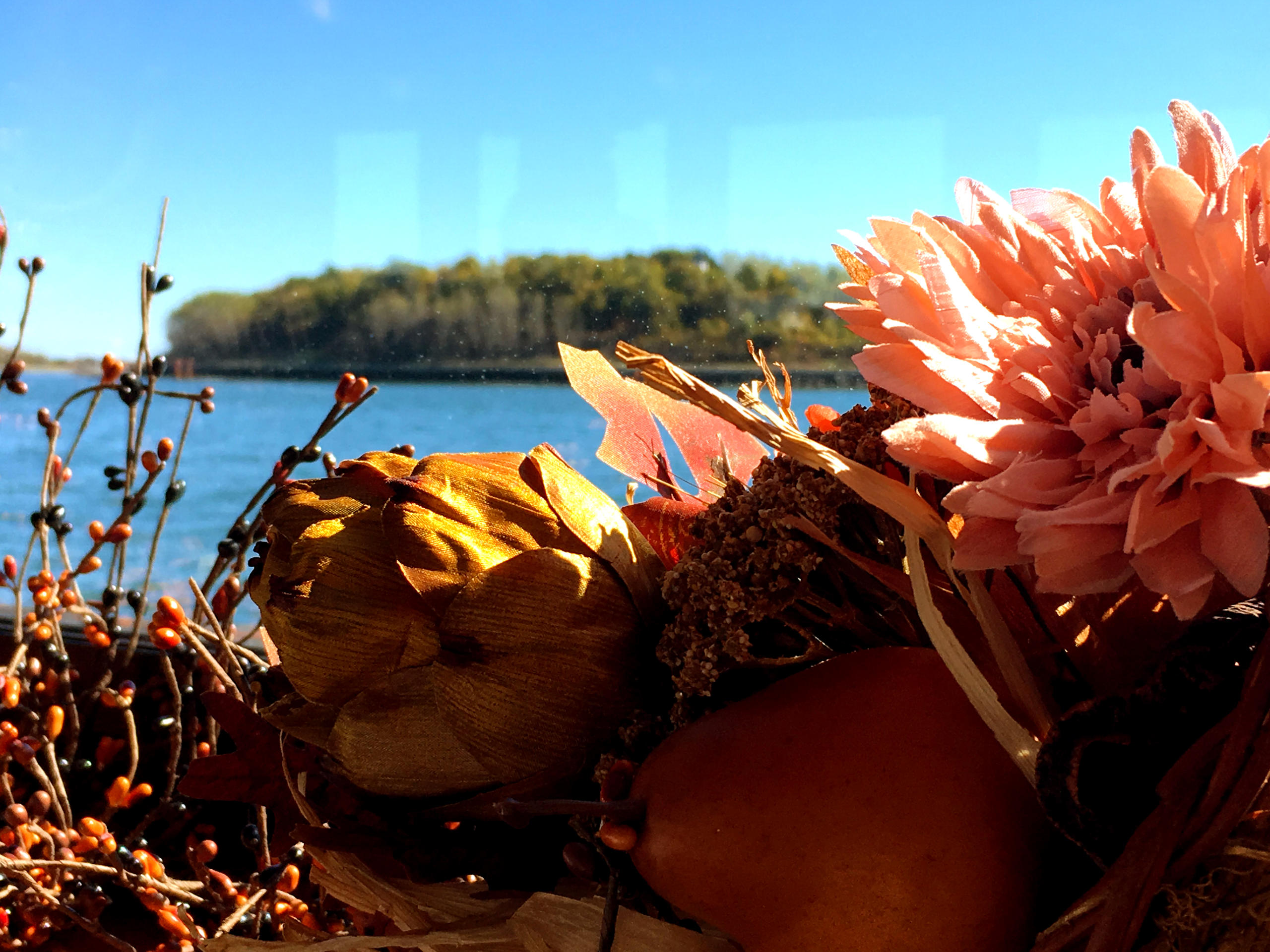
Ferries & Waterborne Crossings near Georgetown, Massachusetts
Georgetown sits inland but close enough to coastal estuaries and harbor towns that ferries become a natural extension of local exploration. Ferry trips from nearby ports—short river shuttles, seasonal crossings to barrier islands, and scenic harbor cruises—turn a drive into a waterborne beginning. This guide focuses on ferry experiences most accessible to travelers using Georgetown as a base: quick hops that link tidal marshes, birding flats, and historic waterfront towns with minimal fuss and maximum shoreline character.
Top Ferry Trips in Georgetown
11 trips • Book with confidence • Instant confirmation
Why Georgetown Is a Standout Ferry Base
Georgetown's quiet streets and mill-era facades belie an advantage many visitors underestimate: proximity to a patchwork of tidal waterways that are best read from the water. Ferries operating from nearby Newburyport, Ipswich, and other coastal towns turn the region’s estuaries and island coastlines into accessible, slow-travel corridors. On a clear morning a short water taxi or scheduled crossing delivers you past salt marshes scalloped by creeks, beneath low bridges, and along shorelines where shifting sandbars are homes for migratory birds. The ride itself—sudden, saline wind and a soft slap of wake against hull—becomes part of the encounter with a coastal landscape that reads differently from the road.
What makes ferry travel here especially appealing is scale. These are intimate crossings rather than oceanic passages: fifteen to sixty minute hops that prioritize sightlines and access. That scale invites mixed itineraries. Bike-and-ferry days are common—load a commuter bike and link Georgetown’s backroads to harborfront promenades and island dunes without worrying about parking at a crowded beach. Ferry arrivals drop you in walkable historic districts where seafood shacks, galleries, and riverwalks are an immediate reward; they can also be ties that bind a day of kayaking, birding, and a sunset harbor cruise into a single, low-impact trip.
Seasonality shapes the experience. Late spring through early fall shines for reliable schedules, nesting saltmarsh avifauna, and relatively calm seas. Summer weekends bring a livelier pace—more departures, more passengers—while shoulder seasons offer solitude and dramatic light across marsh plum and bay. Weather matters: wind and tide alter comfort levels quickly, and operators adjust runs to conditions. That makes a ferry day a practice in flexible planning—check schedules and keep kit ready for both sun and a marine breeze. Environmentally, ferries concentrate footfall on existing access points and reduce the need for extra shoreline parking; for travelers seeking lower-impact ways to reach fragile coastal habitats, the ferry is a pragmatic and pleasurable option.
Finally, ferries invite a particular rhythm of travel that suits the Georgetown-minded visitor: deliberate, observational, and curiously social. Conversations start easily when passengers are watching seals slide through current seams or scanning marsh grass for rails. For planners, ferries replace part of the transit hassle with a moving viewpoint—one that reveals how the Merrimack estuary and adjacent coastal shelves knit together towns, habitats, and histories. Whether you're threading together a day of birdwatching, island time on a barrier beach, or an evening seafood dinner in a harbor town, the ferry adds clarity to an itinerary while keeping the trip intrinsically about place.
Short crossing times and frequent seasonal runs make ferries ideal for half-day escapes and flexible itineraries.
Ferries open access to beaches, bird sanctuaries, and historic waterfronts without the parking scramble—perfect for mixed-mode travel (bike + boat + walk).
Tide, wind, and sea state are practical considerations: mid-morning and late-afternoon runs often provide smoother water and better light for photography.
Best Time to Visit
Best Months
Weather Notes
Spring and fall offer comfortable conditions and active bird migrations; summer brings busier services and warmer air but also afternoon sea breezes. Offshore winds and nor'easters shape schedules—check ahead during unsettled weather.
Peak Season
July–August weekends see the highest passenger volumes and fuller runs.
Off-Season Opportunities
Late spring and early fall yield quieter crossings, excellent birding, and lower lodging demand in nearby harbor towns.
Frequently Asked Questions
Do ferries run year-round from Georgetown-area ports?
Many local ferry and water-taxi services are seasonal; winter schedules are limited or suspended. Confirm timetables for specific operators before planning.
Can I bring a bike on the ferry?
Bikes are commonly allowed on smaller ferries but policies vary by vessel and season. Reserve space if required and bring proper bike locks or panniers.
Are ferries wheelchair accessible?
Accessibility varies by vessel and dock. Contact operators in advance to confirm boarding arrangements and accessible facilities.
Should I book tickets in advance?
For popular summer weekend runs and special events, advance booking is recommended. For midweek or shoulder-season crossings, many operators accept walk-up passengers.
Choose Your Experience Level
Beginner
Short, sheltered river or harbor crossings that require minimal planning—ideal for families, casual travelers, and first-time fliers of the water.
- Harbor shuttle to a waterfront town for lunch
- Short river hop followed by a riverside walk
- Evening sunset cruise under calm conditions
Intermediate
Half-day ferry trips that link Georgetown to barrier beaches or island access points, often combined with walking, biking, or wildlife viewing.
- Bike-and-ferry loop to a nearby beach or nature reserve
- Island day trip with a short walk to dunes and birding flats
- Harbor-to-harbor crossing paired with seafood lunch
Advanced
Full-day itineraries that coordinate multiple ferry legs, tide-sensitive landings, or trips relying on tight connections with other water-based activities.
- Multi-stop coastal hop combining kayak launch points and ferry drops
- Tide-aware birding excursion with early morning crossings
- Extended island exploration requiring timed returns to mainland services
Insider Tips & Local Knowledge
Always verify operator schedules, dock access, and tide advisories before you go.
Arrive at docks early—boarding often begins 10–20 minutes before departure and space can fill up on busy days. For photographers, mid-morning light offers crisp views of marsh textures; late-afternoon runs provide warmer tones and calmer winds on many summer days. If you plan to combine biking and ferry travel, pack light and bring quick-release straps or a compact lock: space on small ferries is finite. Respect protected habitats—stay on designated boardwalks at saltmarsh landings and keep distance from roosting birds and seal haul-outs. Finally, layer up: even on warm inland days, the water wind can be significantly cooler, and a sudden squall will make a windproof shell invaluable.
What to Bring
Essential
- Layered outerwear and a wind layer (coastal breezes are cool even on warm days)
- Small waterproof bag or dry pouch for electronics
- Motion-sickness medication if you’re prone
- Photo gear or binoculars for wildlife and shoreline viewing
- Valid ID and any tickets/reservations
Recommended
- Compact daypack or pannier for bike+ferry combos
- Sun protection (hat, sunscreen) and sunglasses
- Reusable water bottle and light snacks
- Footwear with stable grip for wet or uneven docks
Optional
- Light travel blanket for chilly crossings
- Field guide for birds and shoreline flora
- Portable charger for cameras or phones
Ready for Your Ferry Adventure?
Browse 11 verified trips in Georgetown with instant booking
Explore Top 15 Georgetown, Massachusetts Adventures →