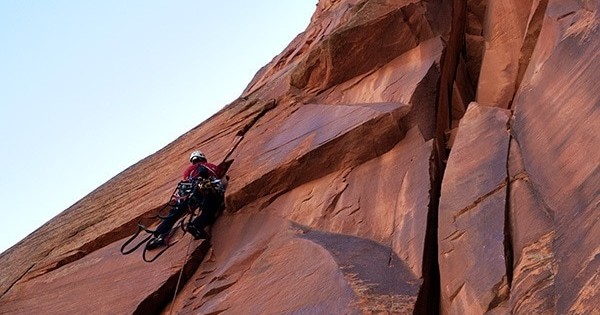
Fryeburg's climbing appeal is quietly pragmatic: it isn't a single, towering cliff face that draws climbers from afar, but a constellation of modest rock features tucked into classic Maine landscape—roadside outcrops, slabby ledges, and accessible boulder patches that make for efficient, satisfying days of movement. The geology here favors short, technical problems and route lengths that reward precision over brute endurance. That scale makes Fryeburg an excellent training ground for climbers who want to sharpen footwork, practice placing gear on trad routes, or introduce friends and family to roped climbing without committing to long alpine approaches.
Beyond the rock, Fryeburg's setting is part of the experience. The town is a gateway to the southern reaches of the White Mountains and sits near calm water—Kezar Lake and the Saco River—which create a balanced weekend itinerary: climb in the morning, paddle or swim in the afternoon, and camp or stay in a local inn at night. Autumn is especially magnetic: cooler air and lower humidity improve friction on granite, and foliage colors transform the hillsides, making road approaches and short hikes as memorable as the routes themselves. Spring brings crisp rock and fewer crowds, though variable weather demands flexibility and a watchful eye on conditions.
Practical access is another reason many climbers pass through Fryeburg. Many crags offer short approaches—often under 15 minutes—making it possible to piece together half-day climbing loops or alternate routes depending on wind, sun, and spine-tingling late-afternoon storms. This accessibility also opens the door to mixed-ability groups: beginners can top-rope comfortably while more experienced partners set up trad anchors or boulder nearby. A compact climbing scene means fewer built-in services than big climbing destinations; expect to rely on self-sufficiency, local guide services for instruction, or day-guides based in the region for more technical objectives.
Finally, Fryeburg's climbing culture sits inside a broader regional ethic of land stewardship. Many of the most pleasant routes lie on parcels where access is maintained through local climbing organizations, cooperating landowners, and a shared commitment to Leave No Trace. Visiting climbers who are respectful of seasonal closures, biosecurity measures (tick checks, cleaning shoes), and private-property boundaries help ensure the crags remain open. In short, Fryeburg rewards climbers who come prepared: those who value short, technical movement, appreciate easy logistics, and want a low-key New England climbing weekend with water, hikes, and great fall color close at hand.
Accessible approaches: Many climbs are a short walk from road parking, making Fryeburg ideal for quick sessions or half-day itineraries.
Technical, compact climbing: Routes and boulders favor technical footwork and balance, with slabby faces and short crack systems common.
The harbor is the gateway, and the Pacific becomes the classroom.
Seasonal highlights: Spring and fall offer the best friction and fewer insects; summer mornings can be perfect but afternoons bring thunderstorms and higher humidity.
Complementary outdoor options: Paddle Kezar Lake, hike nearby forest trails, or time a climbing weekend with local fall foliage for a multi-sport escape.
Stewardship matters: Respect private property, seasonal closures, and local access agreements to help preserve climbing opportunities.
Choose by purpose
Whale watching, snorkeling, sunset sailing, cultural canoeing, harbor sightseeing, or private chartering.
Start near the city
Waikiki and Honolulu Harbor are primary hubs, with some trips launching near Hanauma Bay.
Confirm the vessel
Gangways, shaded seating, and boarding requirements vary according to vessel size and operator.