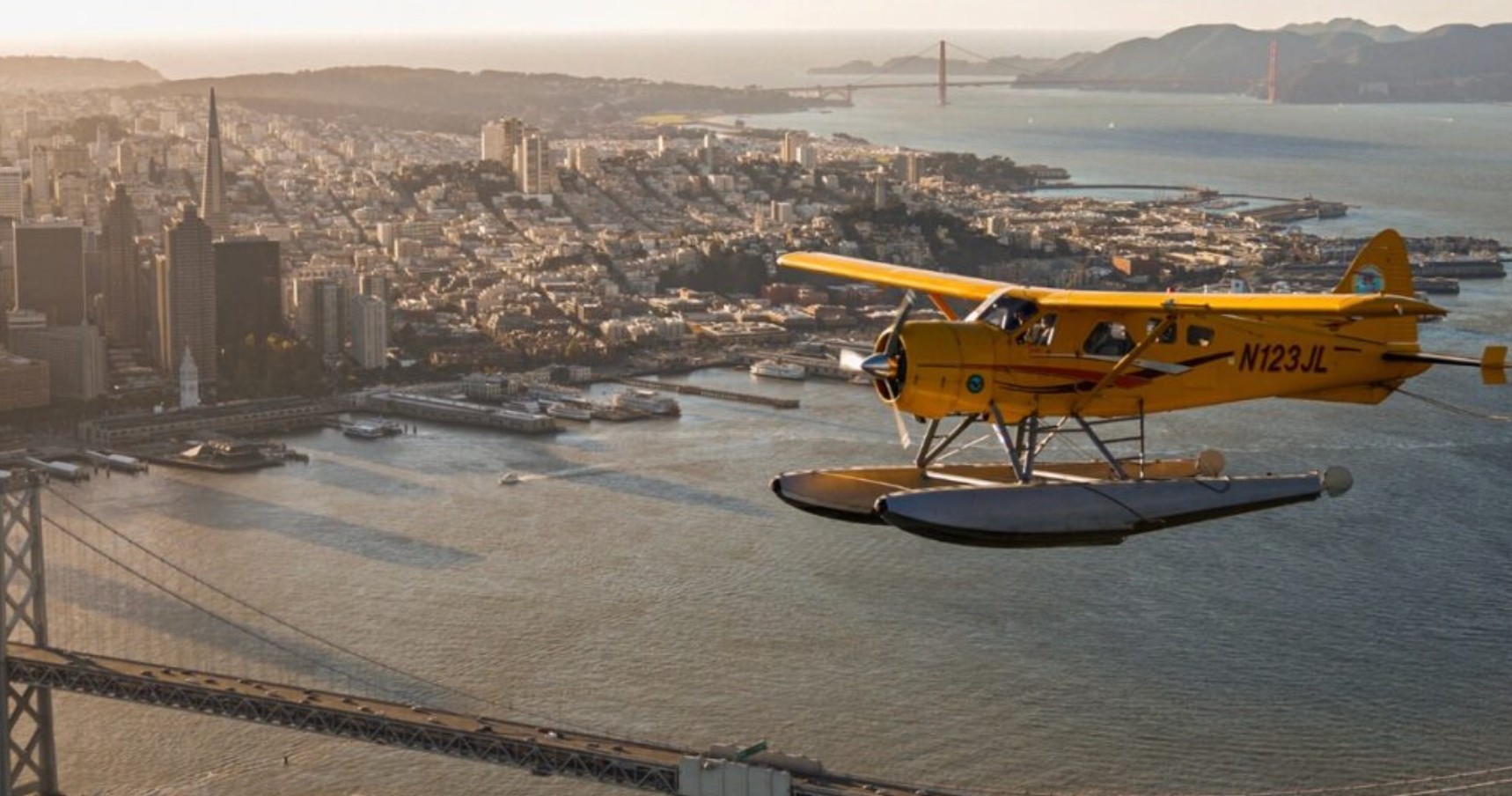
Airplane Experiences in Fremont, California
From low-and-slow scenic flights to discovery flights that introduce new pilots to the sky, airplane experiences near Fremont slice the Bay Area into a mosaic of salt marshes, ridge lines, and cityscapes. These small-aircraft outings are equal parts landscape viewing and technical appreciation—an aerial lens on the region’s industrial past, natural estuaries, and the ridge-and-bay geometry that shapes Silicon Valley.
Top Airplane Trips in Fremont
18 trips • Book with confidence • Instant confirmation
Why Airplane Experiences Around Fremont Matter
There is a subtle geometry to flying in the Bay: a braided coastline of levees and marshes, a serrated skyline of hills, and the occasional human-made punctuation of runways and hangars. From a cockpit above Fremont these patterns become legible. The experience is not merely sightseeing; it’s a reorientation. Where street-level travel slices space into neighborhoods, an airplane stitches them back together into routes and corridors—Mission Peak’s western buttress, the long spine of the East Bay ridgeline, the tidal patches of the South Bay, and the broad mirror of the San Francisco channel all read differently when you move at 100–140 knots and two to four thousand feet.
Fremont sits at a practical crossroads for these flights. It’s close enough to larger Bay-area airspace yet far enough from the largest commercial hubs to allow the small-plane rhythms that make flightseeing satisfying: low-altitude passes, tight visual approaches to interesting terrain, and the opportunity to orbit a landmark for photography. Many airplane experiences available from the region center on interpretive narration—pilots who double as local storytellers—pointing out geologic folds, old railroad cuts through Niles Canyon, salt pond mosaics, and the industrial lattice that powered Silicon Valley. For travelers, that commentary converts a simple view into a layered narrative of landscape and human history.
On a practical level, airplane outings from Fremont are a study in contrasts: they demand familiarity with regional weather quirks—morning marine layers, afternoon thermal buildups, and wind shear near ridgelines—but reward patience with clear, dramatic visibility when conditions cooperate. For pilots and budding aviators, the area is also a training ground: short cross-country hops, touch-and-go practice at nearby airfields, and discovery flights that bridge the gap between curiosity and certification. For photographers, the golden hour over the Bay can reveal glassy water, glancing light on the bridges, and long shadows of hills. And for anyone who has the rare vantage to see the Bay’s tidal ecology from above, the perspective deepens a sense of place: the built environment and the wild edge of the estuary sit in plain relationship, revealing both vulnerability and the scale of conservation opportunities.
This guide concentrates on the airplane-specific experience: the feel of the cabin, the rhythms of preflight briefings, the terrain that makes certain flight paths compelling, and the planning realities—airspace awareness, visibility windows, and appropriate expectations for cost and access. It intertwines practical advice with narrative description so you can imagine your flight and also know what to check off before you climb into the sky.
Flying near Fremont offers a compact sampler of Bay Area landscapes within short flight legs—ideal for 30–90 minute flights that maximize scenery over transit time.
Many airplane experiences double as introductions to flight training: discovery flights let novices take the controls under an instructor’s supervision.
Visibility and light define the quality of a flight; scheduling around marine layer burn-off and afternoon wind increases the odds of memorable vistas.
Best Time to Visit
Best Months
Weather Notes
Spring and fall reliably offer the clearest visibility—mornings often begin in a marine layer that burns off into calm, clear skies. Summers can bring cool, low fog along the coast and variable afternoon winds; winter features more dynamic weather and occasional low ceilings that reduce flight windows.
Peak Season
Late spring and early fall for stable visibility and moderate temperatures.
Off-Season Opportunities
Winter flights can be dramatic—cloud layers and storm light offer moodier photography—but expect more frequent cancellations and shorter windows of VFR (visual flight rules) conditions.
Frequently Asked Questions
Do I need any certification or permits to take a scenic airplane flight?
No pilot certification is required to be a passenger on a scenic or discovery flight. Operators will handle regulatory requirements; passengers should bring valid photo ID where applicable.
Are flights safe for first-time flyers?
Yes. Licensed pilots and operators follow FAA regulations, preflight briefings, and safety checks. If you have specific health concerns, contact the operator ahead of time to discuss accommodations.
How far in advance should I book?
Book as far in advance as possible for weekend or sunset flights, and check cancellation policies—weather can prompt last-minute changes in the Bay Area.
Choose Your Experience Level
Beginner
Short, narrated scenic flights and discovery flights where an instructor or pilot handles all controls while you enjoy the view.
- 30–60 minute bay scenic flight
- Discovery flight with hands-on introduction under instructor supervision
- Cityscape photo circuit at comfortable cruising altitudes
Intermediate
Longer cross-country scenic sorties, specialized photo flights, and introductory time-building for students working toward a pilot certificate.
- Extended coastal or delta flights
- Aerial photography-focused sorties during golden hour
- Dual instructional flights for early pilot training
Advanced
Aerobatic demonstration flights, advanced flight training (such as complex aircraft or instrument procedures), and private charters for customized routes.
- Aerobatic or high-performance demonstration flights (operator-dependent)
- Instrument training sorties in controlled airspace
- Customized cross-country trips linking multiple Bay Area landmarks
Insider Tips & Local Knowledge
Check NOTAMs and local airspace advisories; be mindful of potential delays from local airport operations.
Book morning slots when the marine layer has burned off but before late-afternoon winds kick up. Ask your pilot about sightlines—certain approach patterns provide better views of landmarks than a direct path. Bring layers; even short flights can be chilly at altitude. If photography is a priority, request a window seat on the side of the plane that will face the coastline and confirm whether the operator allows handheld cameras. For prospective student pilots, schedule an early discovery flight to determine whether local flight schools’ training environments match your learning style. Finally, respect wildlife and shoreline protections—pilots should avoid low passes over sensitive estuary areas unless part of an approved wildlife-watch flight.
What to Bring
Essential
- Government ID (required for boarding at controlled facilities)
- Layered outerwear—cockpit temperatures vary quickly
- Sunglasses with UV protection
- Camera with straps and a good lens for handheld shots
- Charged phone and/or spare batteries for cameras
Recommended
- Ear protection (light earplugs or headset if provided)
- Small daypack for personal items and easy stowing
- Light snacks and water for flights approaching an hour
- A printed or offline copy of operator confirmation and emergency contact info
Optional
- Binoculars for long-distance viewing during higher-altitude segments
- Compact notebook for jotting route notes or pilot commentary
- A hat with a chin strap for preflight staging on windy ramp areas
Ready for Your Airplane Adventure?
Browse 18 verified trips in Fremont with instant booking
Explore Top 15 Fremont, California Adventures →